Mitsubishi Lancer Evo X serpentine belt diagram with routing and installation guide
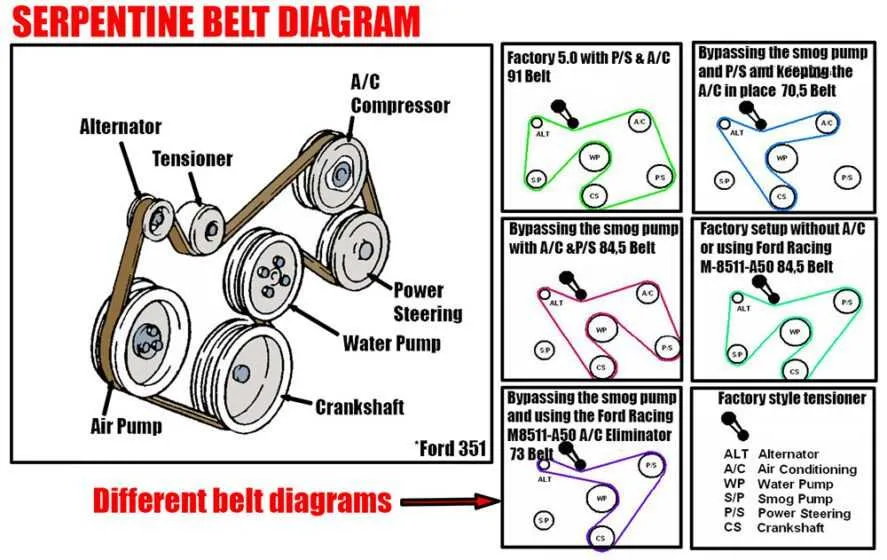
Check the belt routing before loosening any bolts. The Evo X serpentine belt follows a precise path across the alternator, power steering pump, crankshaft pulley, and tensioner, so having a clear diagram saves time and prevents misalignment.
Use a 14mm wrench on the automatic tensioner to relieve pressure and remove the belt. A diagram helps verify the correct direction of grooves and smooth pulleys, reducing the risk of squeaks or premature wear after installation.
Inspect each pulley while the belt is off. Rough bearings or uneven surfaces can shorten the life of a new belt. Comparing the routing with the diagram ensures every component runs smoothly without extra strain on the engine.
Keep a printed or digital diagram nearby during reinstallation. This prevents mistakes like crossing the belt over the wrong pulley, which can affect charging or steering performance. With the correct layout, the Evo X runs reliably and quietly.
Evo X Serpentine Belt Diagram
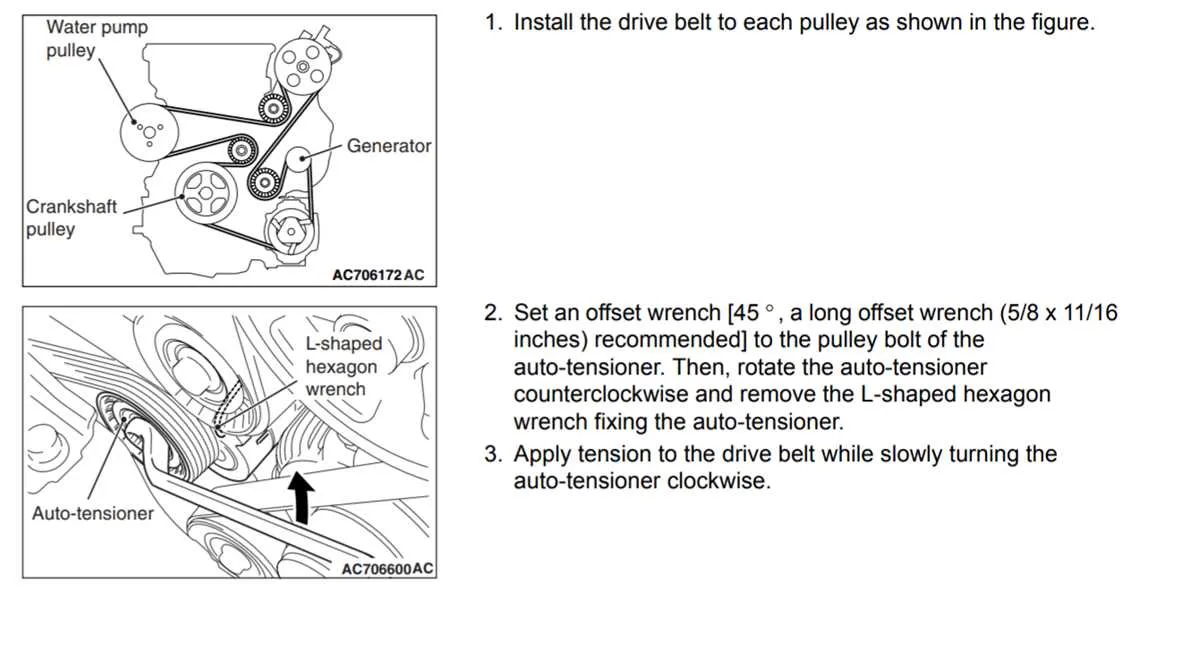
Check the diagram carefully before replacing the belt to avoid misalignment that may cause noise or premature wear. On the Evo X, the serpentine belt routes around the crankshaft pulley, alternator, air conditioning compressor, power steering pump, and tensioner pulley in a specific sequence. The smooth side of the belt must always contact the smooth pulleys, while the ribbed side engages the grooved pulleys.
When installing, place the belt around the crankshaft first, then continue through the accessories, leaving the tensioner pulley for last. Use a 14mm or 15mm wrench on the tensioner to release pressure, slide the belt into position, and then slowly return the tensioner. Confirm that all ribs sit correctly in the grooves before starting the engine.
Inspect the belt regularly for cracks, fraying, or glazing. A worn belt can slip, affecting alternator output, cooling performance, and steering response. Replacing the belt every 60,000–80,000 miles is a safe interval for the Evo X, though aggressive driving or hot climates may require shorter cycles.
Location of Pulleys and Belt Routing on Evo X
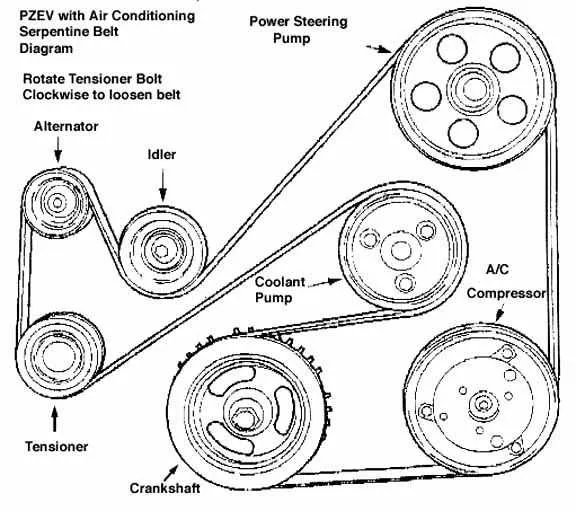
Place the serpentine belt so it wraps tightly around the crankshaft pulley at the bottom center. This pulley drives the rest of the system, so confirm the belt sits flush in its grooves.
From the crankshaft, route the belt upward to the alternator pulley on the upper left side. Keep steady tension to avoid misalignment. Directly below, guide the belt across the idler pulley, which stabilizes the routing path.
Next, move the belt toward the power steering pump pulley located on the upper right. From there, pull it downward to loop around the air conditioning compressor pulley at the lower right corner.
Finally, lead the belt over the tensioner pulley on the right side before returning it to the crankshaft. Apply pressure on the tensioner to slip the belt into place, then release it to maintain the correct grip and alignment across all pulleys.
Steps to Identify Correct Serpentine Belt for Replacement
Check the vehicle’s service manual first, as it lists the exact belt size and part number for your Evo X. Relying on generic charts can lead to ordering the wrong length, so use the manufacturer’s reference as your primary guide.
Inspect the old belt for printed part numbers. If they are still visible, match them with OEM or high-quality aftermarket equivalents. When markings are worn off, measure the belt length using a flexible tape and compare it with catalog specifications.
Verify the number of ribs on the belt. Evo X models typically use a 6-rib serpentine belt, but variations exist depending on factory options such as air conditioning or power steering. Always count ribs directly instead of assuming based on model year alone.
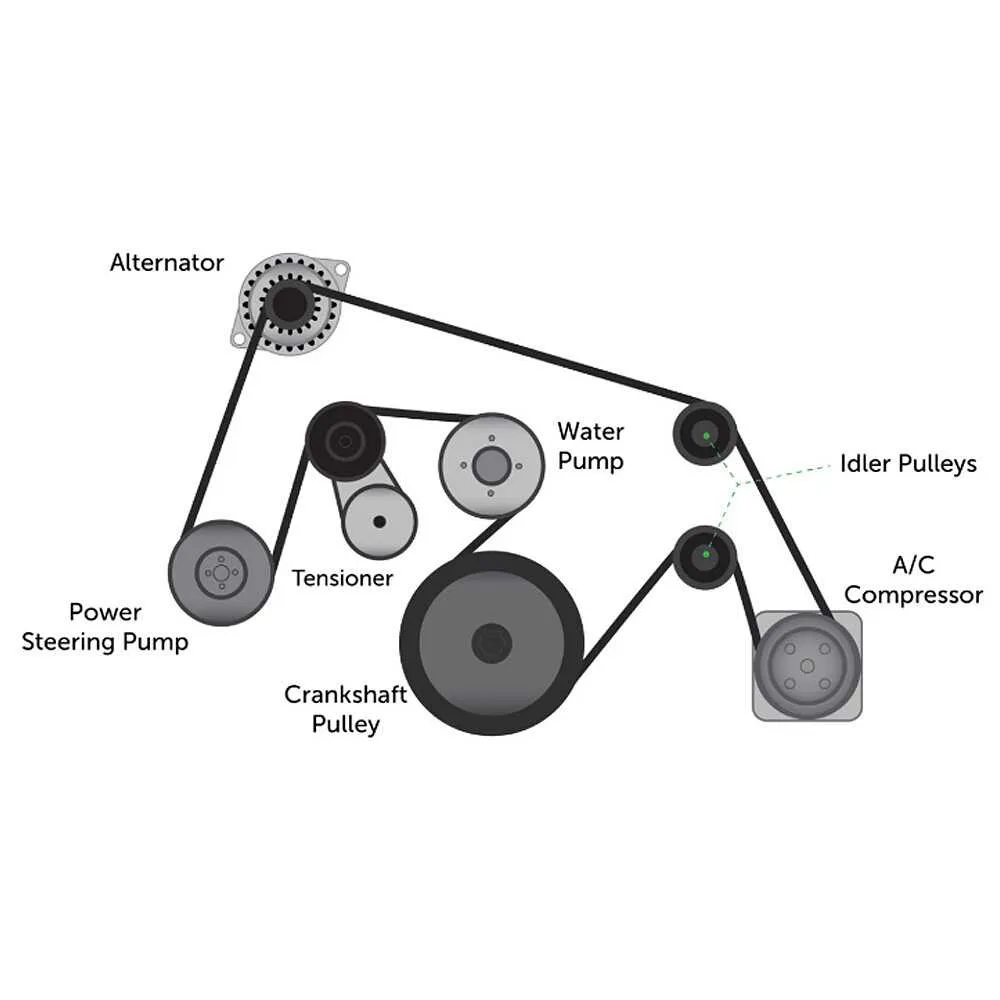
Confirm pulley alignment and accessory configuration. Some vehicles may have different belt routing if optional components are installed. Use a diagram specific to the Evo X trim to ensure the replacement belt matches the exact path.
Cross-check the part number with multiple suppliers. Even small deviations in length can cause slippage, squealing, or premature wear. Choosing the correct size guarantees proper tension and reliable accessory operation.
Common Issues with Evo X Serpentine Belt Alignment
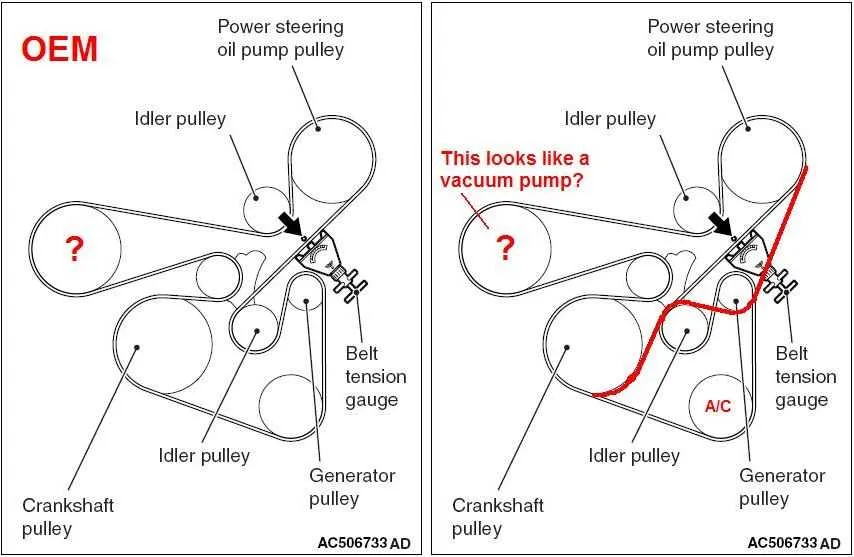
Check pulley alignment first, as even a small offset causes belt edges to fray and squeal under load. Use a straightedge across multiple pulleys to confirm proper positioning.
- Worn idler pulley bearings: A failing bearing tilts the pulley, forcing the belt off-center. Replace the pulley immediately to prevent shredding.
- Damaged tensioner arm: A bent or weak arm prevents consistent pressure, letting the belt wander. Inspect for cracks and replace the entire assembly if needed.
- Incorrect belt size: A belt that is too long or too narrow shifts on the pulleys. Always match OEM specifications for width and length.
- Improper installation: Misrouting across one pulley throws the entire system out of line. Double-check against the factory diagram before tightening.
- Pulley wear: Grooves filled with debris or excessive wear prevent proper belt seating. Clean or replace pulleys showing uneven surfaces.
After correcting alignment, run the engine and observe the belt tracking. If the belt still moves side to side, recheck each pulley for play or misalignment rather than forcing tension adjustments.