Craftsman 50 Inch Mower Deck Belt Diagram and Replacement Guide
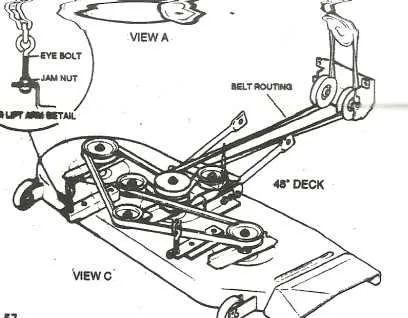
For a smooth mowing experience, knowing the correct configuration of your Craftsman 50-inch mower deck belt is key. This simple yet critical component ensures the mower operates as intended, with the belt powering the blades for an even cut. Understanding how to route the belt properly can save time, prevent unnecessary wear, and avoid potential damage to other parts.
Start by checking the belt’s condition before installation. If the belt shows any signs of wear or damage, replace it with a genuine Craftsman part. The right belt routing is crucial for the system to function efficiently. Misalignment or incorrect installation could result in uneven blade movement, stalling, or even premature wear.
Referring to a clear, step-by-step diagram for the belt routing can simplify the process. Follow the diagram carefully to ensure the belt loops through the right pulleys and tensioners. After installing the belt, manually turn the pulleys to ensure the belt operates smoothly without slipping or straining. This small effort upfront can extend the life of your mower and keep it in top condition for longer.
Craftsman 50 Inch Mower Deck Belt Diagram
To replace or maintain the belt on your Craftsman 50-inch mower deck, follow this step-by-step guide for proper alignment. Having the correct diagram at hand makes the process much smoother and ensures all parts are in place for optimal performance.
First, locate the belt diagram on the mower itself, often printed on a sticker near the engine or under the hood. This diagram shows the exact path the belt follows, including its routing around pulleys and idlers.
- Start by loosening the tension on the belt using the appropriate tool to release tension from the spring-loaded idler pulley.
- Remove the old belt carefully, ensuring it’s not tangled or caught in any other components.
- Consult the diagram to check the belt’s correct routing through the pulleys. Pay close attention to how the belt wraps around the engine pulley, deck pulleys, and any other idler pulleys.
- Place the new belt around the pulleys following the diagram’s instructions. Make sure the belt is properly aligned with each pulley to prevent slipping or excessive wear.
Once the new belt is in place, reapply tension on the idler pulley and double-check the alignment. Test the mower by starting the engine and engaging the blades, listening for any unusual sounds that may indicate improper routing or tension.
If any part of the belt is misaligned or the belt slips during operation, recheck the diagram and adjust accordingly. Following the diagram precisely is key to avoiding issues with belt performance and mower operation.
Understanding the Belt Path for Craftsman 50 Inch Mower
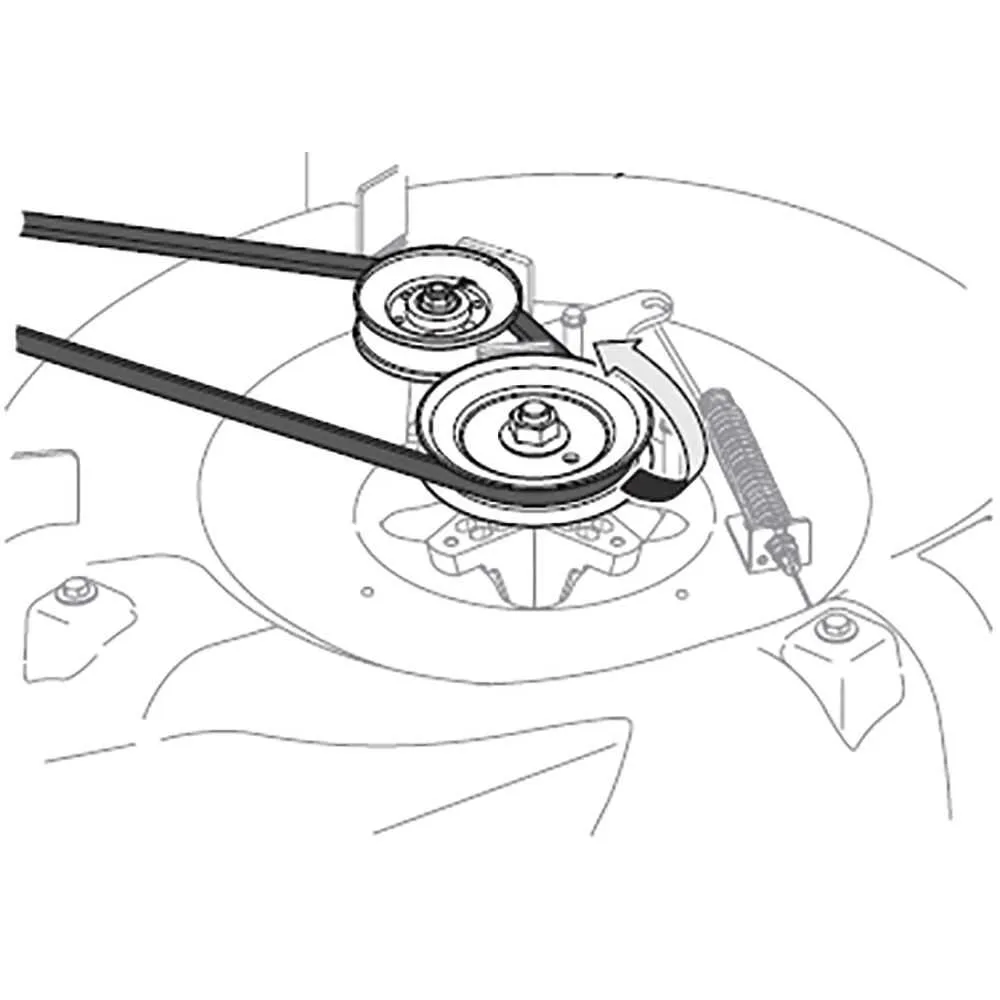
The belt path for the Craftsman 50-inch mower is straightforward once you know how to follow the pulleys and routing. Start by identifying the two primary pulleys: the engine pulley and the spindle pulleys. The belt loops around the engine pulley, running towards the two front spindles before wrapping around the rear pulley. The belt should be positioned on each pulley with the correct tension to ensure proper function. The path should be clear of any debris or wear signs to avoid premature damage.
Check the idler pulley for smooth movement, as it maintains belt tension. If the belt is slack or slipping, inspect the idler pulley for wear and replace it if necessary. Always ensure the belt is correctly aligned on the pulleys–misalignment can cause uneven wear or damage the belt.
If you’re replacing the belt, make sure to follow the manufacturer’s diagram closely for proper routing. A misrouted belt can lead to operational issues or even prevent the mower from working altogether. Keep the belt clean and check it periodically for any signs of wear, such as cracking or fraying, and replace it before it causes a breakdown.
Common Issues with the Belt System and How to Identify Them
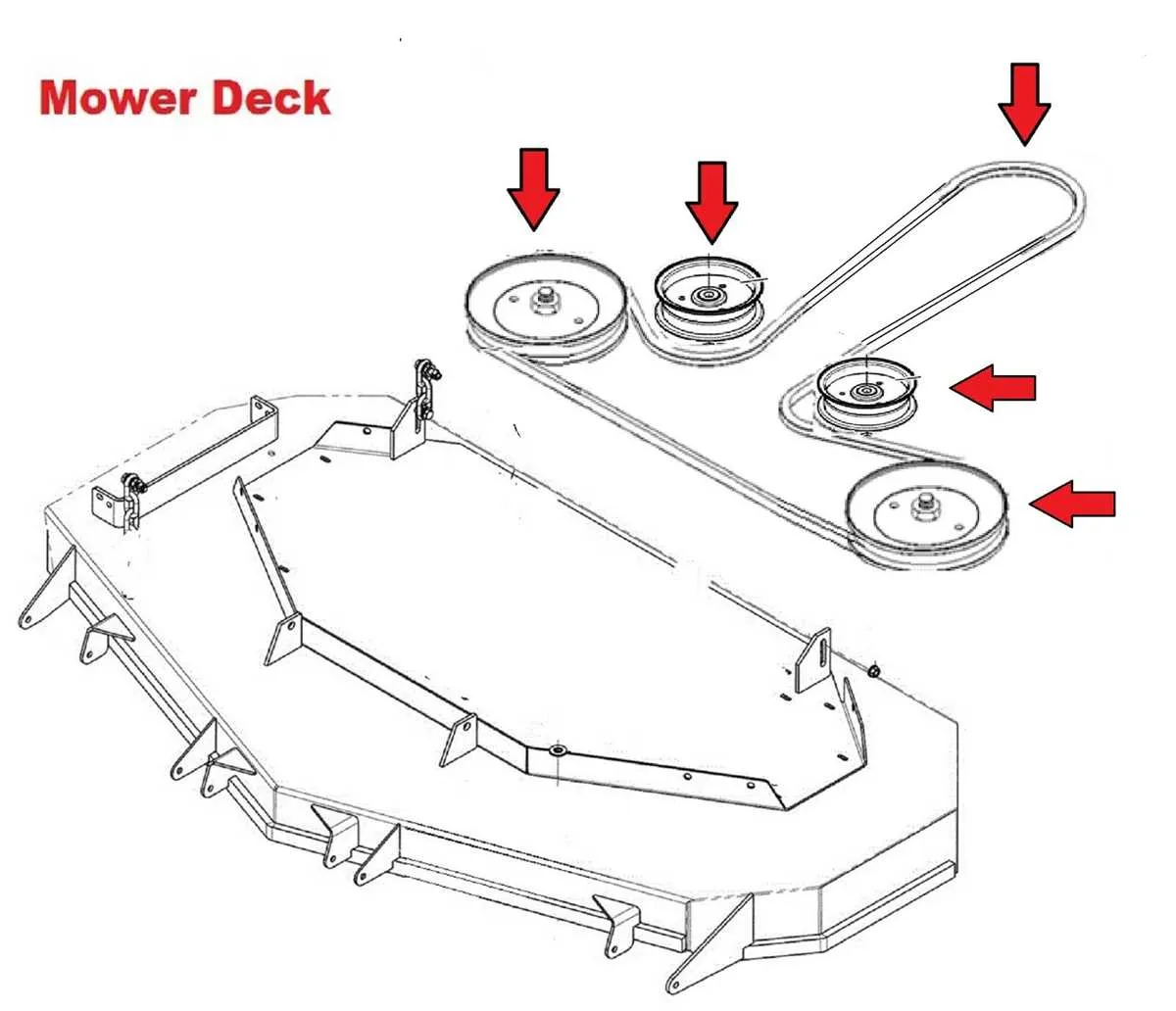
If your mower deck isn’t cutting properly, the issue could lie with the belt system. Look for signs of wear or misalignment in the belt that could cause a drop in performance.
Slipping Belt
A slipping belt is often the result of a stretched or worn-out belt. This causes reduced tension, which leads to insufficient blade speed. To identify this, listen for any unusual sounds like a squealing or slipping noise while the mower is running. Check the tension and condition of the belt. If it’s loose or damaged, replace it immediately.
Broken or Frayed Belt
Inspect the belt for any visible tears or fraying. A broken belt will completely stop the blades from spinning, and fraying often indicates significant wear. A close inspection of the entire belt is necessary, as these signs can sometimes be subtle but still affect mower performance. If you spot fraying, replace the belt right away.
Misalignment
Misalignment can happen if the pulleys are out of position. Check to make sure the belt runs straight across all pulleys. If the belt is off-center or seems to rub against any components, realign the pulleys. Misalignment can cause uneven cutting and lead to premature belt damage.
Incorrect Belt Tension
If the belt is too tight or too loose, it can cause several issues, including reduced mower performance or potential damage to the belt. A belt that’s too tight puts unnecessary stress on the pulleys, while a loose belt causes slippage. Use a tension gauge to ensure the proper tension as outlined in your mower’s manual.
Debris Buildup
Check for grass or dirt buildup around the belt and pulleys. This can cause friction, making the belt work harder than it should, leading to wear and tear. Clean the components regularly to keep the system running smoothly.
By staying on top of these common issues, you can ensure that your mower continues to function efficiently and avoid costly repairs in the future. Regular maintenance, such as checking belt tension and cleaning, will help extend the life of your mower’s belt system.
Step-by-Step Guide to Replacing the Mower Deck Belt
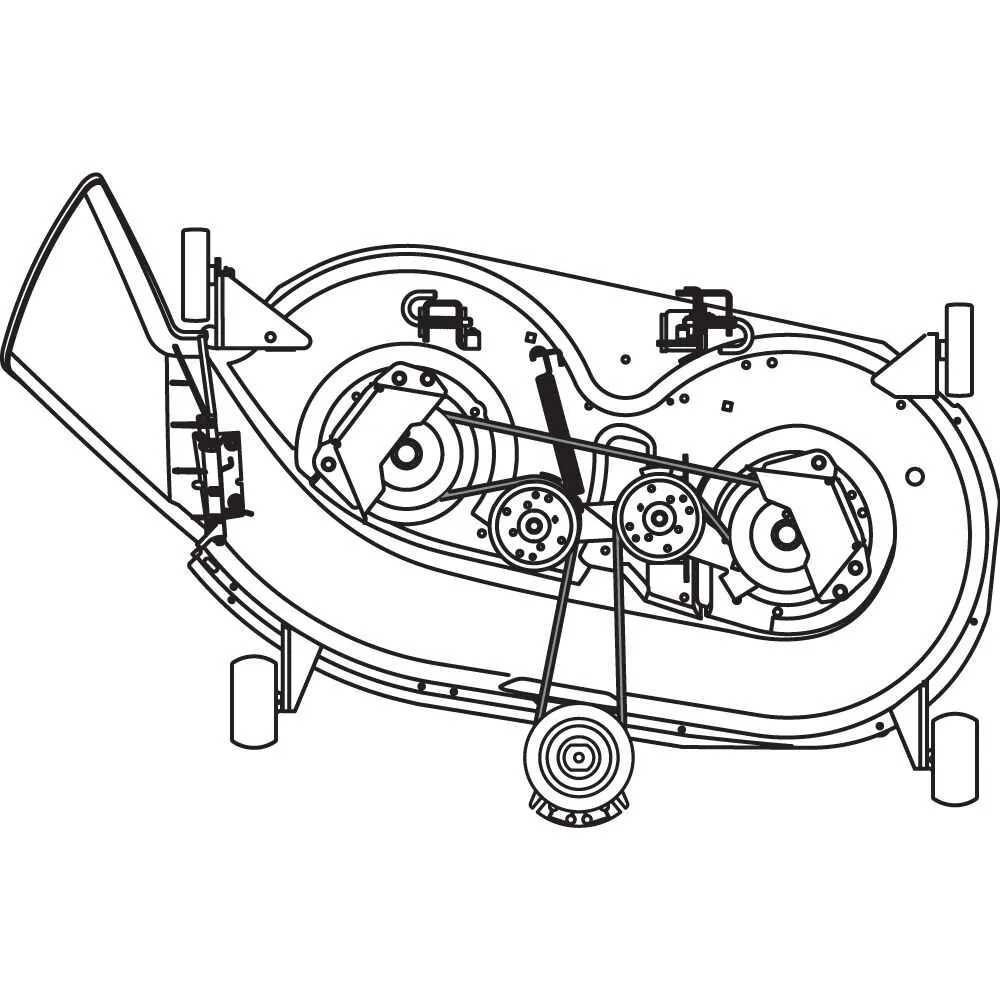
Lift the mower deck to its highest position for easier access to the belt. Use a wrench to loosen the bolts that hold the deck in place. Carefully slide the deck out from under the mower.
Locate the tension pulley and relieve the tension on the old belt by rotating it. This will make it easier to remove the belt from the pulleys and the deck assembly.
Remove the old belt from all pulleys and check for any signs of wear or damage. This is a good time to inspect the pulleys for cracks or issues that could cause problems with the new belt.
Place the new belt around the pulleys according to the diagram. Start by threading it through the main pulley system, ensuring it’s correctly positioned on each roller and idler pulley.
Reinstall the mower deck under the frame, aligning it with the mounting points. Tighten the bolts securely, ensuring the deck is fixed in place before you proceed.
Adjust the belt tension by tightening the tension pulley. Verify that the belt is properly aligned and that it doesn’t slip or rub against any parts of the deck.
Test the mower by running it briefly at idle speed. Check for smooth operation and ensure the new belt is functioning without any unusual noise or slippage.
After confirming the belt operates correctly, lower the deck and tighten any final adjustments. The replacement is complete, and your mower is ready for use.