2008 Chrysler Town and Country 3.8 Serpentine Belt Routing Diagram
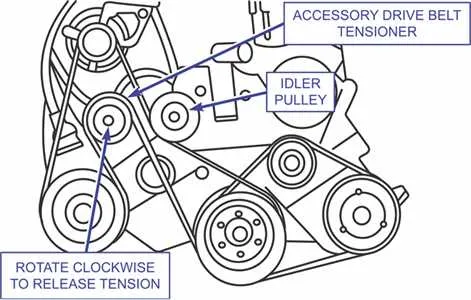
Check the belt routing carefully before removal to avoid misalignment or damage to the alternator, water pump, and power steering components. Use the diagram specific to the 3.8L engine to identify each pulley and the correct path of the serpentine belt.
Inspect the belt for cracks, fraying, or glazing. Replace the belt immediately if any signs of wear appear. Confirm the tensioner is functioning properly to maintain optimal tension and prevent slipping or noise.
Align the belt fully on each pulley, following the diagram’s path, and rotate the crankshaft manually to ensure proper seating. Recheck the routing after the engine runs for a few minutes to confirm stability and correct tension.
2008 Chrysler Town and Country 3.8 Serpentine Belt Diagram Practical Guide
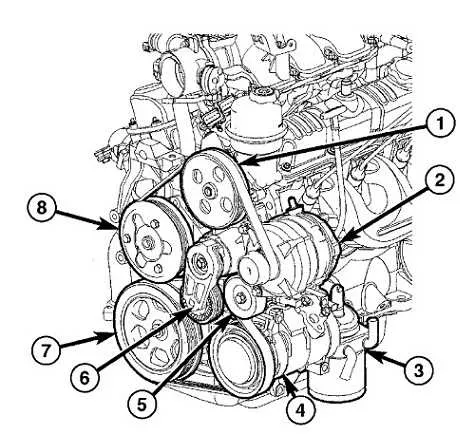
Locate the serpentine belt on the front of the 3.8L engine near the alternator, power steering pump, and air conditioning compressor. Identify each pulley according to the factory diagram to avoid misrouting.
Release tension using a wrench or serpentine belt tool on the tensioner pulley. Always move the tensioner slowly to prevent damage to the spring mechanism. Remove the old belt carefully, noting its path around each pulley.
Compare the new belt with the old one to ensure correct length and rib alignment. Route the belt around each pulley following the diagram exactly, starting with the crankshaft and then the accessories. Leave the tensioner pulley for last.
Apply pressure on the tensioner and slide the belt onto it. Double-check that the belt sits fully in the grooves of each pulley and that no twisting occurs. Spin the crankshaft manually to confirm smooth rotation and proper alignment.
Inspect all pulleys for wear or damage while the belt is removed. Replace any worn or misaligned components to prevent premature belt failure. Verify belt tension after installation and run the engine briefly to confirm correct operation.
Identifying All Pulleys and Belt Routing for the 3.8 Engine
Locate the serpentine belt routing immediately above the engine block on the front side. Follow this sequence to correctly identify all pulleys:
- Crankshaft Pulley: The largest pulley at the bottom center of the engine. This drives all other components.
- Alternator Pulley: Positioned on the passenger side near the top. The belt wraps around this after the crankshaft pulley.
- Power Steering Pump Pulley: Found on the driver’s side, slightly lower than the alternator. Ensure the belt wraps smoothly over this pulley.
- Air Conditioning Compressor Pulley: Located near the lower passenger side. Confirm the belt follows the correct groove pattern here to prevent slippage.
- Idler Pulley(s): One or two small pulleys in the center of the system. These maintain proper tension and guide the belt. Check alignment carefully.
- Tensioner Pulley: Spring-loaded pulley typically near the top center. Apply a wrench to release tension when removing or installing the belt.
Trace the belt routing visually using the diagram stamped in the engine compartment or a printed service manual. Verify the belt seats correctly in each pulley groove before starting the engine.
Check that the belt runs clockwise around the crankshaft and follows the specific path around each accessory. Misrouting can lead to belt wear, squealing, or accessory malfunction.
After installation, rotate the crankshaft manually at least two full revolutions to confirm smooth tracking and tension. Adjust the tensioner if any misalignment appears.
Step-by-Step Serpentine Belt Removal and Replacement Process
Locate the serpentine belt routing diagram on the engine compartment or service manual. Identify all pulleys including the crankshaft, alternator, power steering, A/C compressor, and tensioner.
Use a wrench or serpentine belt tool to rotate the tensioner clockwise, relieving tension on the belt. Hold the tensioner in the compressed position while sliding the belt off a pulley, preferably starting with the alternator or idler pulley.
Once the belt is free, inspect all pulleys for wear, damage, or misalignment. Check the tensioner for smooth operation and proper spring tension.
Position the new belt according to the routing diagram, ensuring it sits properly in all pulley grooves. Rotate the tensioner again to allow the belt to slide fully onto the final pulley.
Release the tensioner slowly to apply proper tension on the new belt. Double-check that the belt is aligned correctly on each pulley and that no twists or misalignments are present.
Start the engine briefly and observe the belt’s operation. Listen for unusual noises and watch for consistent tracking over all pulleys. Recheck tension after a short drive to confirm proper installation.
Inspecting Belt Condition and Troubleshooting Common Issues
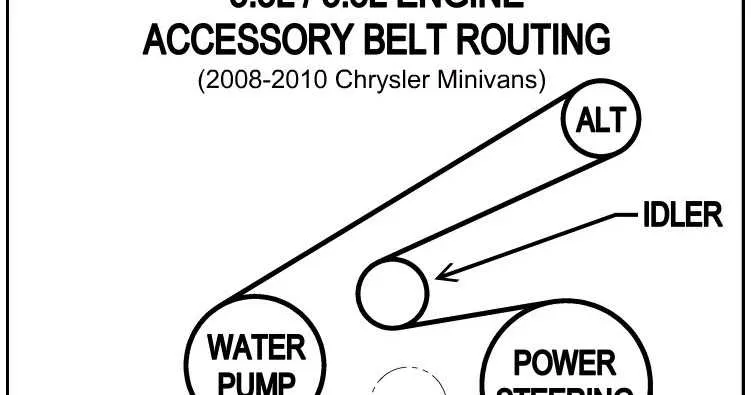
Check the serpentine belt for visible cracks, fraying, or glazing along the ribs. A worn belt may cause squealing noises or intermittent loss of accessory function.
Examine the belt tension by pressing down at the midpoint between pulleys. A properly tensioned belt should deflect about 1/2 inch under moderate pressure. Excessive slack indicates a worn tensioner or misaligned pulleys.
Look for signs of oil or coolant contamination on the belt surface. Fluids can soften the rubber, leading to premature failure and slipping. Clean the area and address any leaks immediately.
Inspect all pulleys for wobbling, rough rotation, or abnormal noise. A damaged idler or alternator pulley can wear the belt unevenly or cause it to jump off track.
If the belt shows uneven wear patterns, check the alignment of each pulley. Misalignment can cause edge wear or rib separation. Use a straight edge or laser alignment tool for precise inspection.
Replace the belt if any cracks extend across multiple ribs, if significant fraying occurs at the edges, or if the ribs appear glazed and shiny. Use a new belt with the exact OEM specifications for the 3.8 engine.
After installation, rotate the engine by hand for one full cycle to ensure the belt seats properly on all pulleys. Start the engine and listen for unusual noises, then recheck tension and alignment after initial operation.