Chevy 350 fan belt diagram with pulley placement and routing guide
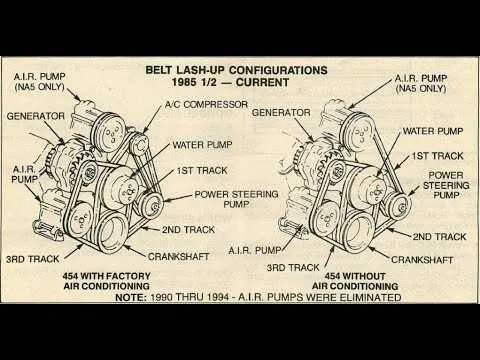
Check the fan belt routing on a Chevy 350 by locating the crankshaft pulley at the bottom of the engine and tracing its connection to the alternator, water pump, and power steering pump. Follow the diagram carefully to confirm each pulley is aligned with the belt path. Misalignment or skipped pulleys cause squealing and uneven wear.
Measure the belt length before replacement. A typical Chevy 350 setup with standard accessories uses a belt ranging between 55 and 60 inches. Verify the correct size with the manufacturer’s reference chart for your specific year and accessory layout. Installing a belt that is too short stresses the pulleys, while a loose fit reduces grip and leads to slippage.
Apply proper tension once the new belt is routed. Press down midway between the longest span of pulleys and allow for no more than half an inch of deflection. Use a tension gauge if available for greater accuracy. Consistent adjustment extends belt life and prevents damage to alternator bearings or the water pump.
Inspect the pulleys for grooves, cracks, or sharp edges before completing the installation. Replace worn pulleys immediately, since a new belt on damaged hardware will fail prematurely. Keep the diagram visible during reassembly to avoid routing errors and ensure reliable performance of the Chevy 350 engine.
Chevy 350 Fan Belt Diagram
Use the belt routing diagram to confirm the correct path before installing a new fan belt on the Chevy 350. Align the belt with the crankshaft pulley first, then guide it around the alternator, water pump, and power steering pump, depending on the specific setup of the engine.
Follow these steps for accurate installation:
- Check pulley grooves for debris or wear and clean them before positioning the belt.
- Place the belt around the crankshaft pulley and continue routing it to the water pump pulley.
- Wrap the belt around the alternator pulley and then guide it to the power steering pump if equipped.
- Ensure correct tension by adjusting the alternator or tensioner bracket, avoiding over-tightening.
- Inspect belt alignment visually across all pulleys to prevent uneven wear or slippage.
Refer to the diagram for variations, as some Chevy 350 models include additional accessories such as an air conditioning compressor. In those cases, the belt routes differently, and proper alignment is critical for reliable operation.
Correct Routing of the Fan Belt on Chevy 350 Engines
Place the belt on the crankshaft pulley first, then guide it over the water pump pulley to create the base loop. Keep the belt tight against the pulley grooves to avoid misalignment.
On engines with an alternator only, run the belt from the crankshaft to the alternator pulley and back. If the setup includes power steering, route the belt from the crankshaft to the power steering pump before looping it around the alternator. For models with an air conditioning compressor, add the compressor pulley into the loop before returning the belt to the crankshaft.
Check that all pulleys align perfectly by using a straightedge across the faces. Incorrect alignment causes premature belt wear and squealing. Apply correct tension by tightening the adjustment bracket until the belt deflects about half an inch under firm thumb pressure.
After tensioning, secure the bolts on the alternator or power steering pump brackets so the belt maintains its grip during operation. Recheck alignment and tension after running the engine for a few minutes to confirm proper seating.
Identifying Pulleys and Components Connected to the Fan Belt
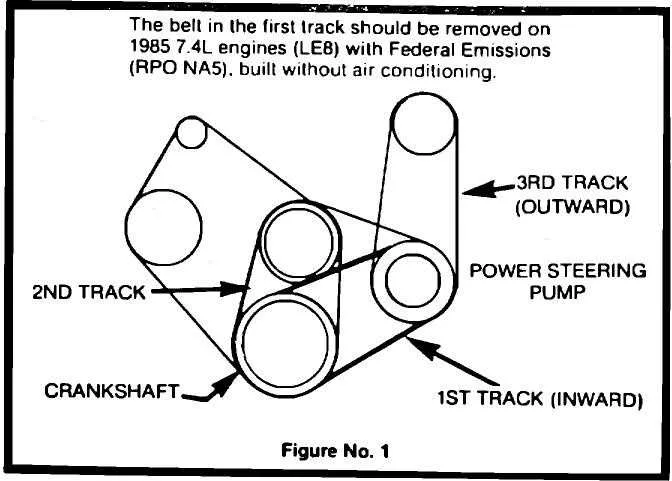
Locate the crankshaft pulley first, as it drives the entire belt system. This pulley sits at the bottom front of the engine and connects directly to the belt loop.
Follow the belt upward to the alternator pulley on the driver’s side. The alternator relies on the belt for power generation, and its pulley is usually smaller than the crankshaft pulley.
Check the water pump pulley in the center. It is larger and often smooth, driven by the belt to circulate coolant through the engine.
Inspect the power steering pump pulley, typically found on the driver’s side above the crankshaft pulley. This connection allows the steering system to operate with hydraulic assistance.
Identify the air conditioning compressor pulley on the passenger side. When engaged, it drives the compressor clutch to supply cold air to the cabin system.
Confirm the idler pulley and belt tensioner, usually placed between major components to maintain proper belt tension and routing. These pulleys do not drive accessories but keep the belt aligned and tight.
Steps to Replace and Adjust the Fan Belt on a Chevy 350
Loosen the alternator mounting bolts using a 3/8-inch ratchet or wrench to relieve tension on the fan belt. Ensure the engine is off and cool before touching any components. Slide the old belt off the pulleys, noting the routing for accurate installation.
Inspect all pulleys, including the crankshaft, water pump, and alternator, for wear or damage. Clean any debris or corrosion to prevent premature belt wear. Check the tensioner and idler pulleys for smooth rotation.
Install the new fan belt onto the crankshaft pulley first, then route it around the water pump, alternator, and other accessory pulleys according to the Chevy 350 diagram. Make sure the belt sits fully in the pulley grooves without twisting.
Adjust the alternator to increase belt tension. Apply firm pressure with your hand at the midpoint of the longest belt span; it should deflect approximately 1/2 inch. Tighten the alternator mounting bolts while maintaining this tension.
Double-check the belt alignment across all pulleys. Spin the engine manually using a socket on the crankshaft pulley to confirm smooth rotation and correct positioning. Recheck the tension and adjust slightly if necessary.
Start the engine and observe the belt in operation. Listen for squealing or slipping sounds. Turn off the engine and recheck the tension after the belt has settled into the grooves, making minor adjustments as needed.