Complete Chevy 350 V Belt Diagram with AC for Accurate Engine Belt Routing
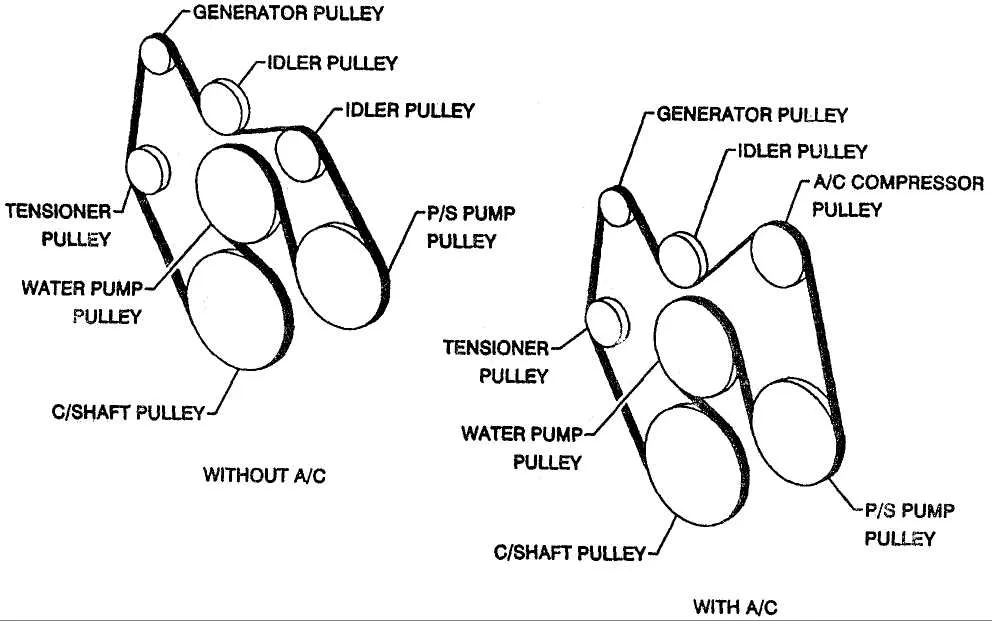
Use a reliable belt routing diagram specific to your 1970–2000 Chevy 350 engine with AC to avoid incorrect installation. Incorrect alignment can cause belt wear, noise, and reduced AC performance. Access the factory diagram or a verified repair manual before starting work.
The Chevy 350 with AC typically uses a serpentine or dual V-belt setup depending on the year and configuration. For most classic setups, the driver side belt drives the alternator and power steering, while the passenger side belt powers the water pump and AC compressor. Confirm your engine model and belt count before purchasing replacement belts.
Mark each pulley location before removal. This prevents errors during reassembly. Keep tensioners loose when replacing belts and check alignment with a straight edge or belt alignment tool. Proper alignment extends belt life and protects pulleys and accessories.
Check belt tension after installation. A properly tensioned belt deflects about ½ inch under moderate pressure. Too tight tension increases wear on bearings, while too loose causes slippage. Regular inspection every 6–12 months keeps your system operating smoothly.
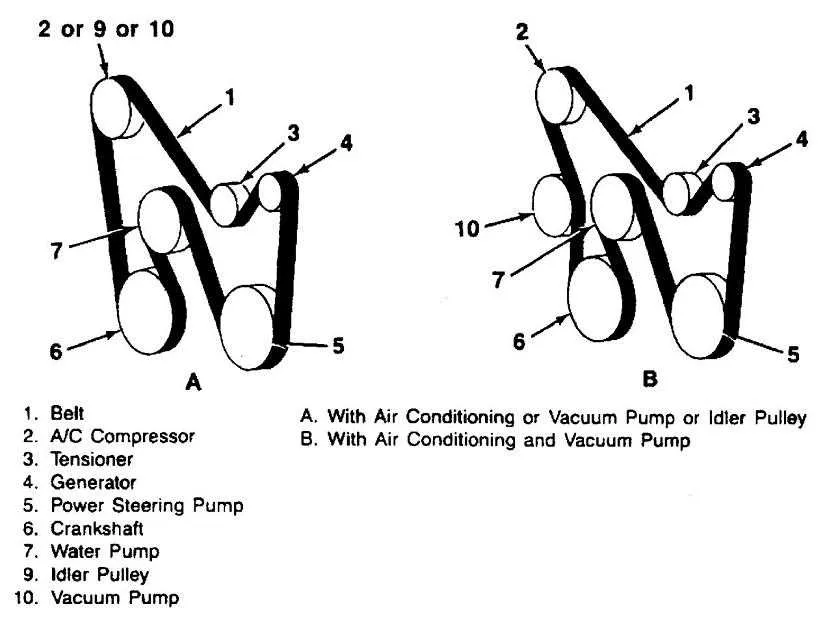
Chevy 350 V-Belt Diagram with AC
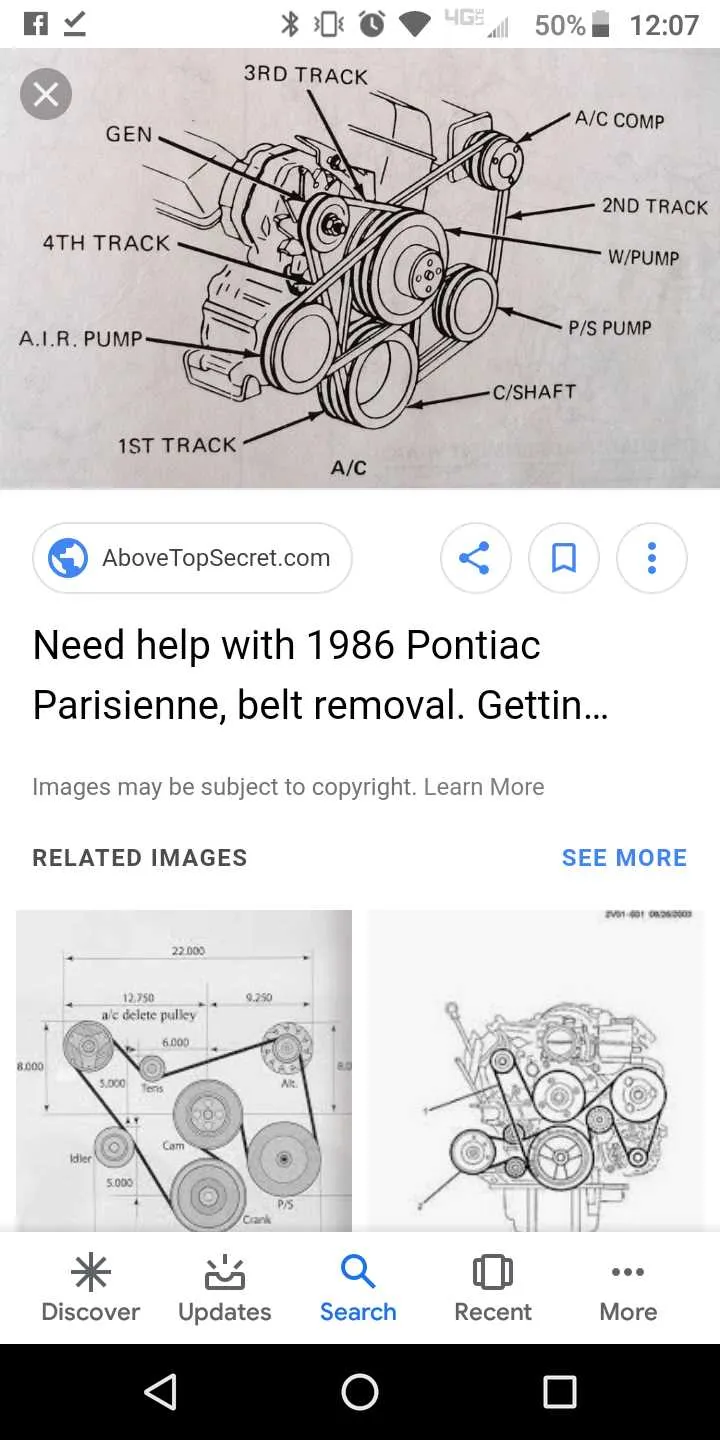
Follow the Chevy 350 V-belt diagram for AC to ensure correct routing and prevent belt slippage. Position the belt starting at the crankshaft pulley, routing it upward to the alternator pulley, then down to the power steering pump, across to the AC compressor, and finally back to the crankshaft pulley.
Check the belt length for your setup–typically a 64″ length works for most Chevy 350 engines with factory AC setups. Confirm alignment by inspecting pulleys with a straightedge to avoid uneven wear. Use a belt tension gauge to maintain tension between 250–300 lb for proper operation.
Replace worn idler pulleys and check the tensioner to prevent noise and reduce strain on the AC compressor. For upgrades, consider a high-performance serpentine belt kit that simplifies routing and improves durability.
Mark the routing with chalk before removal to prevent errors, and always rotate the engine manually after installation to ensure clearance. Regular inspection every 12 months or 12,000 miles maintains system performance and extends belt life.
How to Identify Each Component in the Chevy 350 V-Belt System with AC
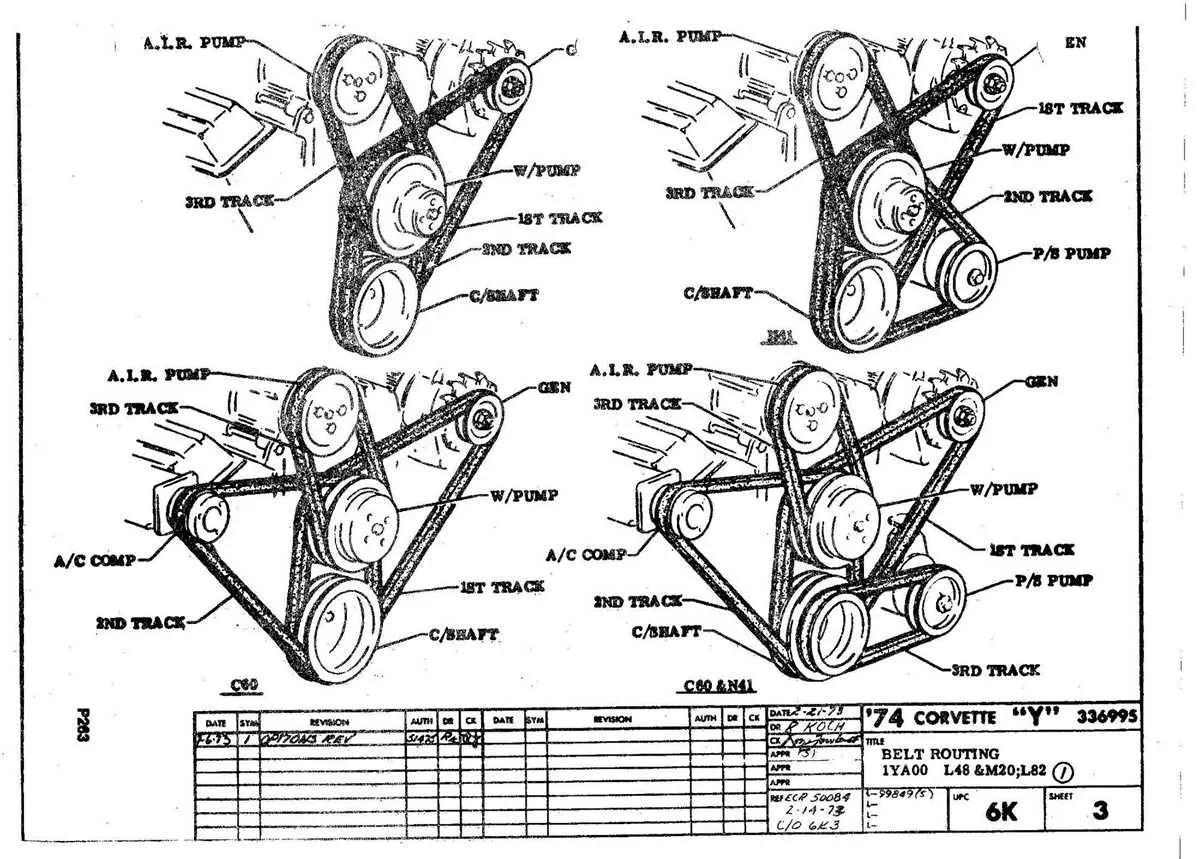
Locate the alternator first – it sits at the upper front of the engine, usually on the passenger side, with a pulley connected directly to the belt. Check for the electrical wires leading to it for confirmation.
Next, find the power steering pump. It’s mounted lower than the alternator, toward the driver side, with a larger pulley and fluid reservoir nearby. Look for hoses connecting to the steering rack.
The air conditioning compressor sits low on the passenger side, near the engine block. Its pulley is linked to a clutch mechanism, and there are refrigerant lines connected to it.
The crankshaft pulley is the largest pulley at the bottom center of the engine. It drives all other components via the V-belt and usually has clear grooves matching the belt pattern.
The water pump pulley is located above the crankshaft pulley, centered, and directly attached to the water pump housing. It usually has a smaller diameter than the crankshaft pulley and is aligned to maintain belt tension.
- Identify by position: Alternator (upper front), power steering pump (driver side), AC compressor (lower passenger side), crankshaft pulley (bottom center), water pump pulley (center above crankshaft).
- Check connections: Electrical for alternator, fluid hoses for power steering, refrigerant lines for AC compressor.
- Confirm belt routing: Compare with a Chevy 350 V-belt diagram specific to AC systems.
Mark each pulley with chalk or masking tape for clarity before adjusting or replacing the belt. This ensures correct reinstallation without mistakes.
Step-by-Step Guide to Routing the V-Belt on a Chevy 350 with AC
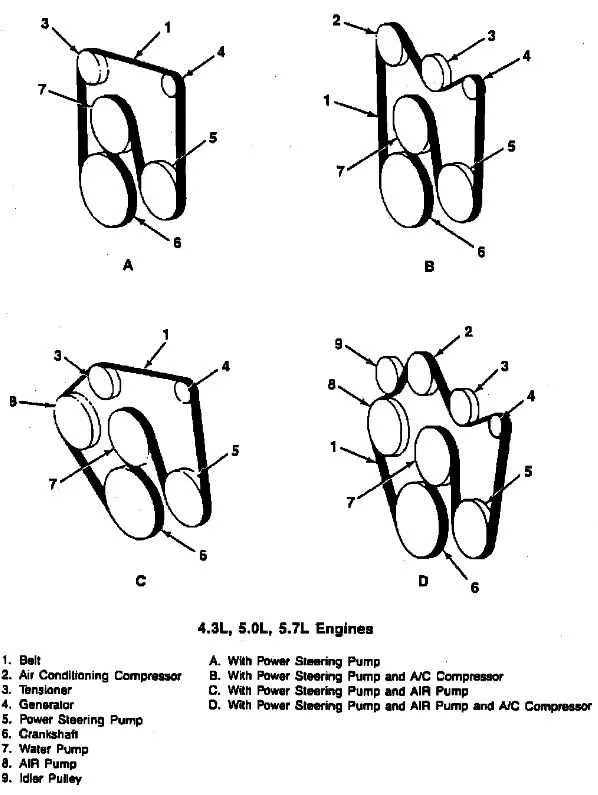
Locate the belt routing diagram under the hood or in the vehicle manual before starting. For a Chevy 350 with AC, follow the specific path to prevent improper tension and wear. Begin by positioning the belt around the crankshaft pulley at the bottom center of the engine.
Next, route the belt upward toward the water pump pulley. Loop it over the water pump, then down and around the alternator pulley on the driver’s side. Ensure the belt sits correctly in the pulley grooves without twisting.
Proceed to the AC compressor pulley on the passenger side. Pass the belt around the compressor, maintaining proper tension. Then guide it around the power steering pump pulley if equipped, ensuring alignment with all pulleys.
Finally, check the tensioner pulley. Use a wrench to release tension, slide the belt into place, and slowly release the tensioner. Verify that the belt is seated correctly in all pulley grooves and that tension matches specifications. Run the engine briefly to confirm smooth operation without squealing.
Troubleshooting Common Issues in Chevy 350 V-Belt Systems with AC
Check belt tension first: Use a belt tension gauge or apply about 10–15 pounds of pressure at the midpoint between pulleys. Deflection should measure roughly 1/2 inch. Over-tightening causes bearing wear; loose belts slip and reduce AC performance.
Inspect belt condition: Look for cracks, fraying, glazing, or missing chunks. Replace belts showing excessive wear. Use a high-quality replacement belt that matches the factory specifications for Chevy 350 with AC.
Examine pulley alignment: Misaligned pulleys cause noise and premature belt failure. Use a straightedge across all pulleys to confirm alignment. Adjust brackets or idler pulleys to correct alignment.
Check idler and tensioner pulleys: Listen for squealing or grinding noises. Spin pulleys by hand; any roughness or play indicates bearing failure. Replace faulty pulleys immediately.
Test AC compressor load: Run the engine with AC on and watch belt behavior. Excessive slip or jerking suggests compressor clutch issues or worn belt. Replace belt or repair compressor as needed.
Maintain proper lubrication: Avoid spraying oil or cleaners on belts–they degrade rubber. Keep pulleys free of debris and grease buildup to maintain belt grip.
Check for unusual noises: Squeals often point to belt wear, loose tension, or pulley issues. Use a belt dressing spray sparingly for temporary noise reduction, but address the underlying cause promptly.
Replace belts on schedule: Follow manufacturer recommendations, generally every 30,000–50,000 miles. Regular inspection prevents unexpected failures and preserves AC function.