2009 Honda Pilot 3.5 Serpentine Belt Routing Diagram and Guide
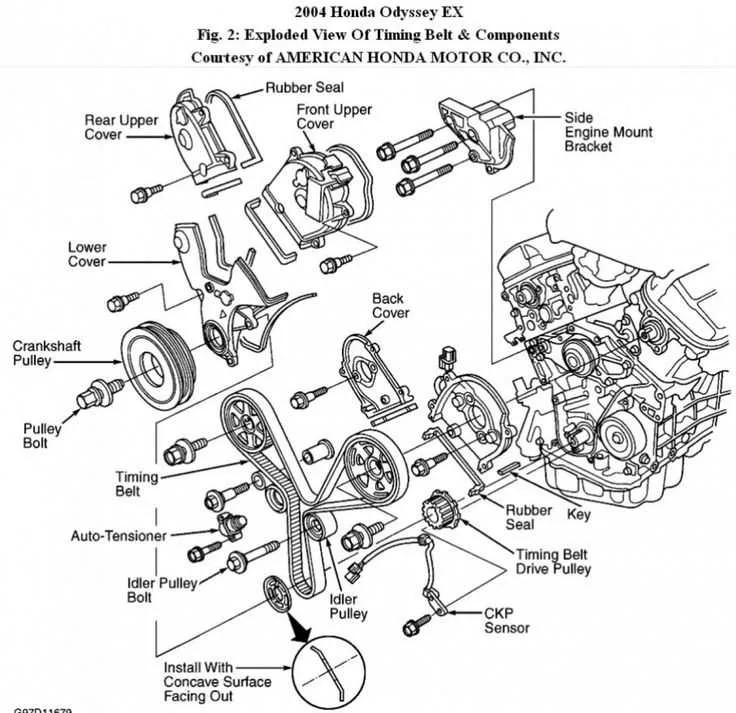
The serpentine belt on your 2009 Honda Pilot is crucial for driving power to the alternator, air conditioning compressor, power steering pump, and other key components. If you’re experiencing squealing noises, or if the belt appears worn or damaged, it’s time to inspect or replace it. A clear understanding of the serpentine belt routing will make this process simpler and more precise.
Refer to the diagram below for an accurate visual guide on how to correctly install or replace the serpentine belt on the 3.5L engine. This diagram includes specific details on the belt’s path, ensuring that each component is properly connected. The diagram shows the tensioner, pulleys, and the precise belt direction to follow, which can save time and effort during installation.
Replacing the serpentine belt should be done every 60,000 to 100,000 miles, but it’s a good practice to check it for any signs of wear, cracks, or fraying long before then. If you’re unsure about the belt’s condition, refer to this diagram to help guide your inspection. Keeping the belt in optimal condition is key to avoiding unnecessary repairs down the road.
2009 Honda Pilot 3.5 Serpentine Belt Diagram
The serpentine belt in your 2009 Honda Pilot is responsible for driving multiple components, including the alternator, power steering pump, air conditioning compressor, and more. To ensure proper installation, follow the belt routing diagram closely.
Locate the diagram on the radiator support or inside the engine compartment, usually near the front of the engine bay. The serpentine belt should loop around the various pulleys in a specific order, starting with the crankshaft pulley, which is at the bottom, and working its way up to the tensioner pulley. The tensioner maintains the necessary belt tension, ensuring the components run smoothly.
Make sure the belt follows the correct path as shown in the diagram to prevent slipping or misalignment. If you’re replacing the belt, use a socket or breaker bar to release tension from the tensioner pulley, allowing you to remove the old belt and install the new one. Double-check that the new belt fits snugly around all pulleys and is correctly aligned.
If the serpentine belt is showing signs of wear, like cracks or fraying, it’s a good idea to replace it soon to avoid sudden breakdowns. A misaligned or damaged belt can lead to engine performance issues, so regular inspection is key.
Step-by-Step Guide to Locating the Serpentine Belt Diagram
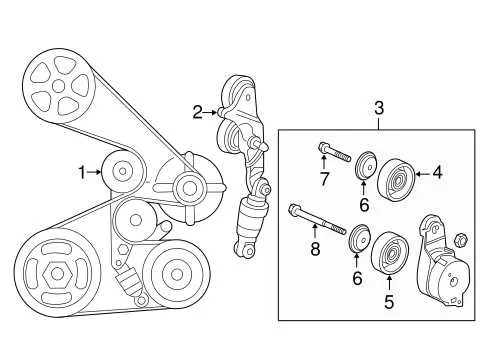
To find the serpentine belt diagram on your 2009 Honda Pilot 3.5, first open the hood and secure it with the prop rod. Look for the engine compartment’s sticker, typically on the radiator support, near the front of the engine bay. This sticker often contains a diagram showing the routing of the serpentine belt.
If the diagram is not visible or is too worn out, check the vehicle’s service manual. It should include a diagram specific to your model, showing the exact layout and routing of the belt.
If you don’t have access to the manual, you can also find diagrams online by searching for “2009 Honda Pilot 3.5 serpentine belt diagram.” Several automotive websites and forums post diagrams for specific car models.
Another option is to look for the belt routing on the engine’s components themselves. Often, manufacturers place a diagram or even a label on the engine block, near the alternator or power steering pump, to show the correct routing of the belt.
Once you’ve located the diagram, you can safely proceed with any maintenance or replacement of the serpentine belt, ensuring it’s routed properly to avoid engine damage.
How to Read the 2009 Honda Pilot Serpentine Belt Diagram
Reading the serpentine belt diagram for the 2009 Honda Pilot helps you understand how the belt routes around various pulleys and components in the engine. Here’s how to interpret it:
- Locate the diagram: The serpentine belt diagram for your 2009 Honda Pilot can usually be found under the hood, either on a sticker or a metal plate near the front of the engine bay. If it’s missing, you can find a diagram in your vehicle’s manual or online.
- Understand the key components: The diagram shows all the pulleys the serpentine belt interacts with. These typically include the alternator, power steering pump, air conditioning compressor, and the crankshaft pulley. The diagram also shows whether pulleys are tensioners or idlers, which can be crucial for belt installation and tensioning.
- Interpret the arrows: Pay attention to the direction of the arrows. These indicate the direction in which the serpentine belt should be routed around the pulleys. Following the arrows exactly is crucial for proper installation.
- Check the belt path: The diagram will show the exact path the belt should take. You’ll notice that the belt passes around certain pulleys while skipping others. Ensure that the belt routing matches the diagram completely.
- Double-check for tensioners: If there is a tensioner pulley shown in the diagram, it will be either automatic or manual. The tensioner keeps the belt tight and should be positioned in accordance with the diagram’s instructions to maintain proper tension.
By following these steps and ensuring the belt matches the diagram precisely, you’ll have a smooth-running engine and prevent unnecessary damage to components. Always check the condition of the belt while doing maintenance, as any signs of wear or cracking should be addressed promptly.
Common Issues with Serpentine Belt Routing and How to Fix Them
Misrouted serpentine belts can cause serious engine issues, including squealing noises, poor performance, or even damage to engine components. Start by double-checking the routing diagram for the 2009 Honda Pilot to ensure proper alignment. If the belt is off track, carefully adjust it following the proper belt path to avoid uneven wear.
If the belt squeaks or squeals after installation, inspect the tensioner. A loose or worn tensioner can cause the belt to slip. Replacing a faulty tensioner will restore the proper tension, preventing slippage and noise. Don’t forget to check the pulleys for wear or debris buildup that could disrupt smooth movement.
Another common issue is belt wear due to misalignment. If the belt is continuously shifting off the pulleys, it can wear unevenly, shortening its lifespan. Inspect the pulleys for misalignment or damage, and replace any parts that show excessive wear. If pulleys are fine but the belt continues to misalign, check the belt’s routing once again for potential mistakes.
Incorrect belt tension is also a frequent cause of issues. If the belt is too tight, it can place excessive stress on the engine components. If it’s too loose, it won’t properly turn the pulleys. Adjust the tensioner to ensure the right amount of tension and replace any damaged parts that may be contributing to tension problems.
Always replace the serpentine belt in sets with the tensioner and any other worn components. Regular maintenance checks can help prevent these issues from escalating and ensure that the serpentine belt operates smoothly for the long term.