Complete belt diagram and replacement guide for Gravely ZTX 52 mower models
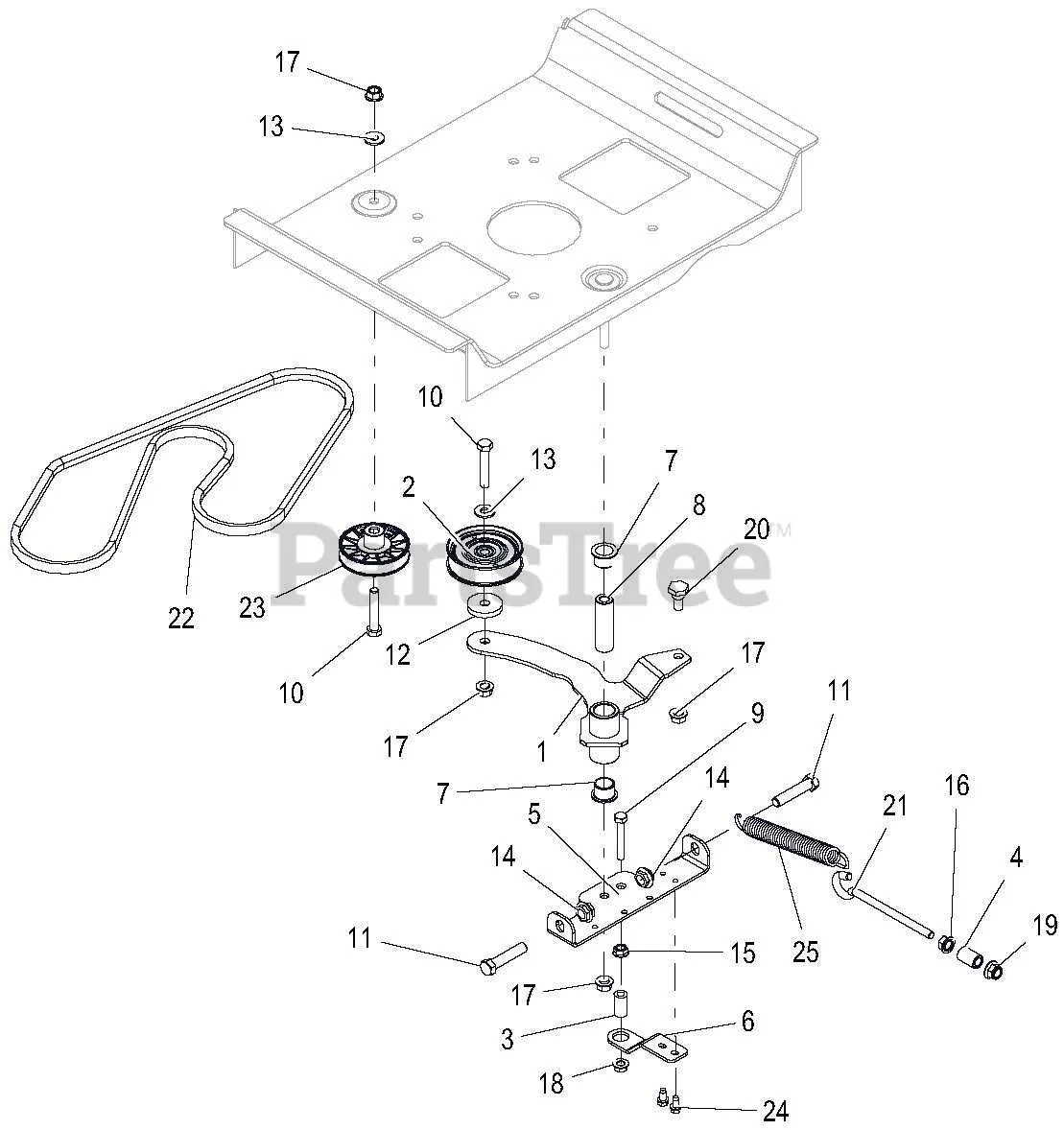
Check the belt routing before any maintenance. Incorrect installation can lead to premature wear or loss of mower function. The ZTX 52 uses a single deck belt system, with the drive belt connecting the engine pulley to the transmission and mower deck. Ensure the belt is aligned with all pulleys, and inspect for cracks or fraying before reinstallation.
Follow the diagram carefully for tension adjustments. The idler pulleys maintain proper belt tension. A loose belt may slip under load, while an overly tight belt increases wear on bearings. Position the belt around the tensioner pulley as shown in the manufacturer’s diagram, and rotate the engine by hand to verify smooth movement.
Replace the belt at first signs of damage. The ZTX 52 belt is exposed to debris and heat, which accelerates deterioration. Even small frays or glazing can reduce cutting performance. Keep a spare belt compatible with model 992 05720 for uninterrupted mowing, and lubricate the idler pivots to reduce friction.
Inspect pulleys and spindle assemblies during belt maintenance. Worn pulleys cause misalignment and uneven cutting. Clean all surfaces before placing the belt and check that the deck height adjustment does not interfere with the belt path. Maintaining precise routing extends the belt life and preserves mower efficiency.
Document the routing for future reference. Taking a photo or sketching the path of the belt ensures correct reassembly after removal. This simple step reduces downtime and avoids repeated trial-and-error adjustments, keeping the ZTX 52 ready for continuous operation.
Belt Diagram for Gravely ZTX 52
Use the belt diagram to correctly route all drive belts on the Gravely ZTX 52. Begin by positioning the engine belt around the crankshaft pulley, then loop it over the idler pulley nearest the mower deck. Ensure the deck belt passes through the deck tensioner, maintaining proper alignment with the spindles.
Follow the diagram to avoid crossing belts or twisting them, which can reduce lifespan and compromise mower performance. Each pulley has a specific sequence; for example, the PTO clutch must be engaged with the belt fully seated to prevent slipping. Check that all spring-loaded idlers are correctly tensioned, allowing smooth rotation without excessive slack.
Inspect belt condition before installation. Replace any belt showing cracks, fraying, or glazing. Tighten tensioners only until the belt exhibits slight deflection under hand pressure. Misalignment or improper tension can lead to uneven cutting or accelerated wear.
After routing, manually rotate the deck to confirm free movement. Verify that each belt follows the path in the diagram exactly, especially around tight bends and pulleys near the engine. Secure all guards and covers before operating the mower to ensure safety and prevent belt damage.
Identifying Belt Routing and Tension Points
Locate the main pulleys on the Gravely ZTX 52 by tracing the mower deck and engine connections. Start with the engine pulley, then follow the belt to the idler and mower deck pulleys, noting the directional arrows stamped on the pulleys for correct routing.
Check tension points by pressing gently on the belt midway between two pulleys. A properly tensioned belt should deflect approximately 1/2 inch under moderate pressure. Identify all idler pulleys, as they control tension and belt alignment. Misaligned or worn idlers can cause slipping or uneven mower performance.
Mark the belt path using chalk or tape if necessary before removal. Observe each pulley’s orientation and the belt’s contact surface; the belt must sit fully in the pulley grooves without twisting. On the ZTX 52, the deck belt loops around the center idler, then splits to the left and right mower spindles–ensure symmetry to prevent premature wear.
After routing, rotate the pulleys by hand to confirm smooth movement and proper tension distribution. Listen for unusual noises or feel for resistance points; both indicate incorrect installation or worn components. Double-check the belt is seated properly in the tensioner and idler grooves to maintain consistent performance during operation.
Replacing the Mower Deck Belt Step by Step
Disconnect the spark plug to prevent accidental starts. Remove any debris around the mower deck and lift it into the service position using the deck lift lever or ramps for easy access.
Release belt tension by locating the idler pulley. Use a wrench or socket to rotate the pulley arm and slide the old belt off the pulleys, noting the routing for reference.
Inspect pulleys and spindle shafts for wear or damage. Clean off any dirt or grease that may interfere with the new belt seating. Replace any worn components to maintain proper belt alignment.
Install the new belt by following the original routing. Start around the engine pulley, then move the belt through the idler pulleys and spindle pulleys. Keep slight tension on the belt to prevent it from slipping during placement.
Apply tension by rotating the idler pulley back into position, ensuring the belt sits evenly in all pulley grooves. Check that the belt is centered and not twisted anywhere along its path.
Lower the mower deck carefully and reconnect the spark plug. Run the deck at low throttle to verify proper engagement and smooth rotation of all pulleys before full operation.
Regularly inspect belt condition and alignment to maintain cutting performance and prevent premature wear or slippage.
Troubleshooting Common Belt Slipping Issues
Check belt tension immediately if the mower belt slips during operation. A properly tensioned belt should deflect no more than 1/2 inch when pressed in the center of the longest span. Use the adjustment bolt on the idler pulley to fine-tune tension.
Inspect the belt for cracks, fraying, or glazing. Replace belts showing visible wear, as worn belts lose grip on pulleys, causing slippage under load.
Clean pulleys regularly. Dirt, grease, and debris on pulleys reduce friction, allowing the belt to slip. Use a brush or compressed air to remove buildup.
Check pulley alignment:
- Measure distance from pulley edges to ensure parallel alignment.
- Adjust bent or misaligned pulleys to prevent lateral belt movement.
Replace worn idler bearings. Worn bearings allow pulleys to wobble, reducing belt contact and creating slip under heavy load.
Examine mower deck engagement springs. Weak or stretched springs reduce tension on the belt. Swap out compromised springs for correct tension and proper blade operation.
Rotate the belt direction if reversible, as some belts have better grip in one orientation. Ensure the belt sits snugly in pulley grooves without twisting.
Lubricate pivot points carefully, avoiding belt contact areas. Excess lubricant on belt surfaces lowers friction, increasing slippage.
Test under load after adjustments. Run mower at normal speed, engage blades, and watch for consistent belt motion without skipping or squealing. Repeat tension and alignment checks if slipping persists.