John Deere Power Flow Belt Diagram with Clear Routing and Installation Details
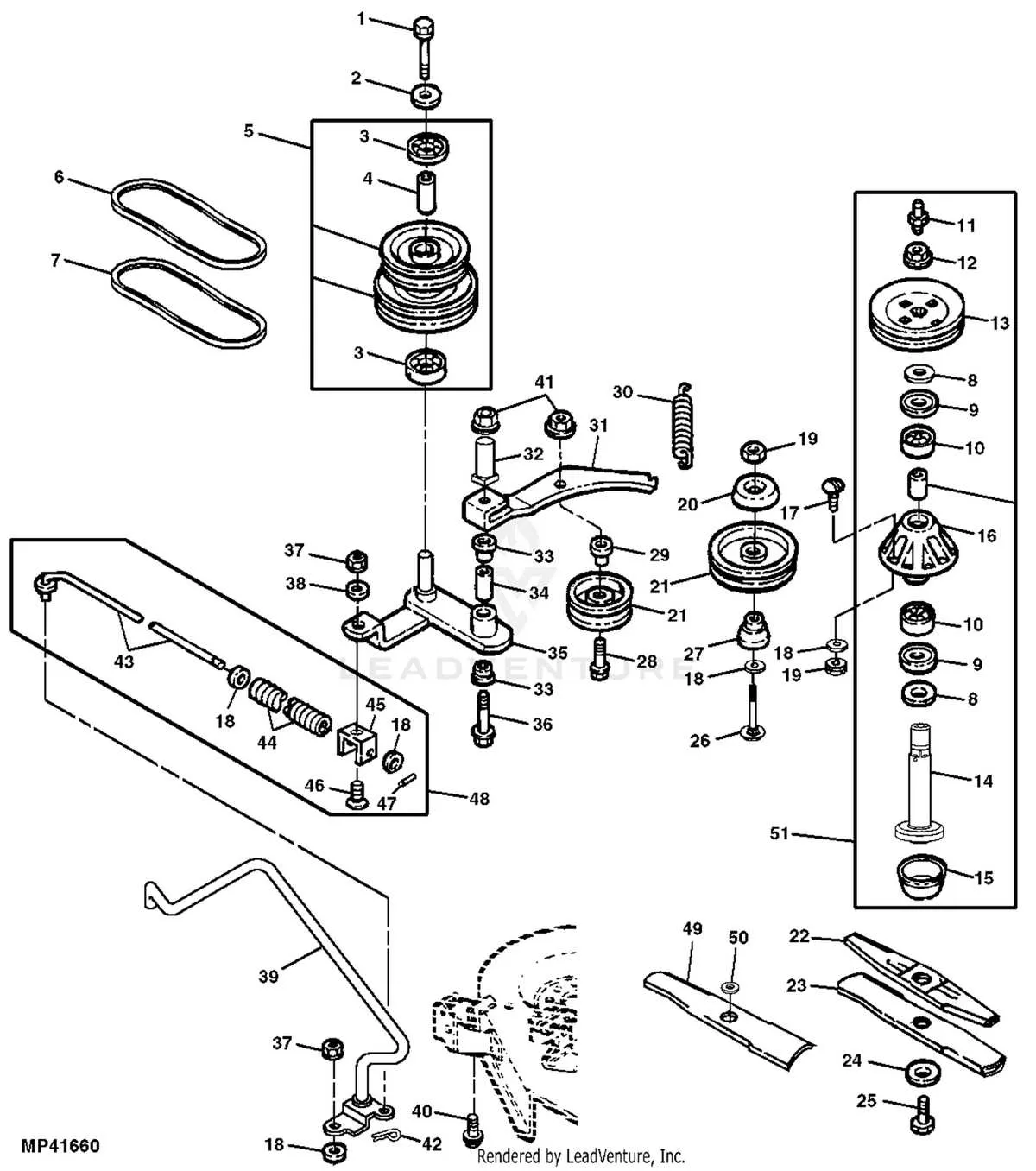
Check the alignment of the Power Flow belt first. A correct diagram shows the belt running smoothly around the drive pulley, idler pulleys, and the blower pulley without twisting or slipping. If the belt looks worn or sits unevenly, replace it immediately to prevent damage to the mower deck and blower system.
Use the diagram as a guide during installation. Position the belt around the main drive pulley, route it through the idler pulleys, and finish by securing it on the blower pulley. Tighten the belt according to the manufacturer’s specification, as loose tension leads to poor performance while excessive tension shortens the belt’s lifespan.
Keep the belt path clear of grass buildup and debris. Even small obstructions affect belt tracking and cause premature wear. Regularly compare your setup with the official diagram to ensure all pulleys and guides remain in their correct place.
A clear understanding of the Power Flow belt diagram helps maintain consistent airflow for bagging and mulching. Accurate routing not only supports reliable cutting but also reduces the risk of unexpected breakdowns during peak mowing season.
John Deere Power Flow Belt Diagram
Check the diagram before installing the belt to confirm the correct routing across pulleys and tensioners. Align the belt on the deck pulley, guide it through the idler pulley, and finish by placing it on the power flow blower pulley. The correct sequence prevents slippage and uneven grass collection.
Keep the belt tight but not overstretched. A loose fit causes vibration, while an overtightened belt wears out the bearings. Always match the belt size with the mower deck model; for example, a 48-inch deck uses a different belt length compared to a 54-inch deck.
Inspect the diagram for any arrows or directional marks. These show the belt path and help avoid reversed installation. If the belt rides outside the intended groove, remove it immediately and reinstall following the diagram lines carefully.
Store a printed copy of the diagram near your mower or mark the routing directly on the deck housing with a waterproof marker. This saves time during seasonal maintenance and reduces installation mistakes.
How to Identify the Correct Power Flow Belt for Your Model
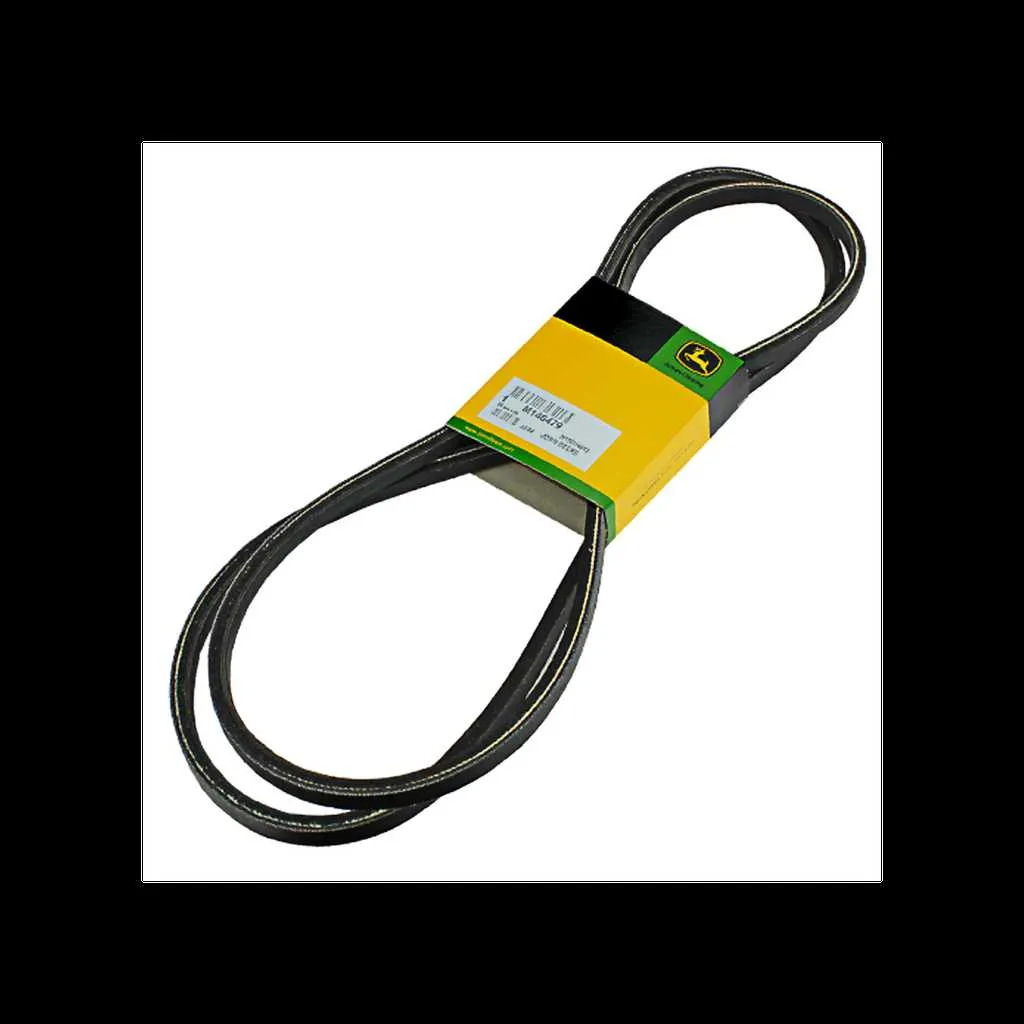
Check the mower deck size printed on the deck shell or listed in the operator’s manual. Power Flow belts differ between 42-inch, 48-inch, 54-inch, and 60-inch decks, and using the wrong width leads to poor fit and slippage.
Locate the belt part number on the current belt if it is still readable. Genuine John Deere belts usually have a stamped or printed code such as M144044 or GX20072. Match this code directly with replacement listings.
If the belt markings are worn, use the serial number of your mower or tractor. You can find it on a plate under the seat or near the frame. Enter this serial number on John Deere’s parts lookup tool to filter only compatible belts.
- For X300 and X500 series, confirm the deck style (Accel Deep vs. Edge). The same deck width may require different belts.
- Measure belt length with a flexible tape if you cannot access the manual or part number. Lay the old belt flat and measure its full circumference.
- Check the belt profile. John Deere belts usually have a specific V-angle that aftermarket versions may not match precisely.
Keep a record of the exact belt number once identified, so future replacements can be ordered quickly without re-measuring or guessing.
Step-by-Step Guide to Reading the Belt Routing Diagram
Check the diagram for arrows or directional lines, as they show the correct belt travel around pulleys and tensioners. Match each symbol with the actual part on your John Deere deck before moving forward.
Identify the drive pulley first, usually placed at the engine shaft. From there, follow the path toward the idler pulleys and note which ones are flat versus grooved. The belt must ride on the flat side when passing over a flat pulley and on the ribbed side when engaging a grooved one.
Locate the tensioner pulley. The diagram often highlights it with a spring symbol. This component applies pressure to keep the belt tight, so the routing must align exactly with the indicated path to avoid slipping.
Confirm the belt’s contact with the mower blades pulleys. The diagram shows whether the belt loops above or below each pulley, which prevents cross-threading during installation.
Finish by comparing the full loop against the diagram. Each pulley must match the illustrated sequence, and the belt should return to the drive pulley without twists. Any misalignment at this stage signals an error in routing that needs correction before operation.
Troubleshooting Common Belt Misalignment Issues
Check the belt tracking along the pulleys first. If the belt rides too far to one side, adjust the pulley alignment by loosening the mounting bolts and shifting the pulley until the belt runs centered.
Inspect the tension arm spring. A weak or stretched spring can pull the belt unevenly, causing it to drift. Replace the spring if it no longer maintains consistent tension.
Look for worn or bent pulleys. A pulley with damaged edges or a slight bend forces the belt out of line. Replace any pulley that shows visible wear or uneven rotation.
Verify that the belt is not twisted before installation. A twist increases friction and makes the belt slide off track. Lay the belt flat on the ground and confirm its shape before placing it on the deck.
Clean all pulley grooves. Built-up debris can tilt the belt and cause misalignment. Use a wire brush or compressed air to remove dirt and grass clippings from the grooves.
After adjustments, rotate the system by hand to ensure smooth belt travel. Watch the belt’s path carefully and retighten all bolts before running the mower at full speed.