2016 Jeep Wrangler Serpentine Belt Diagram and Installation Guide
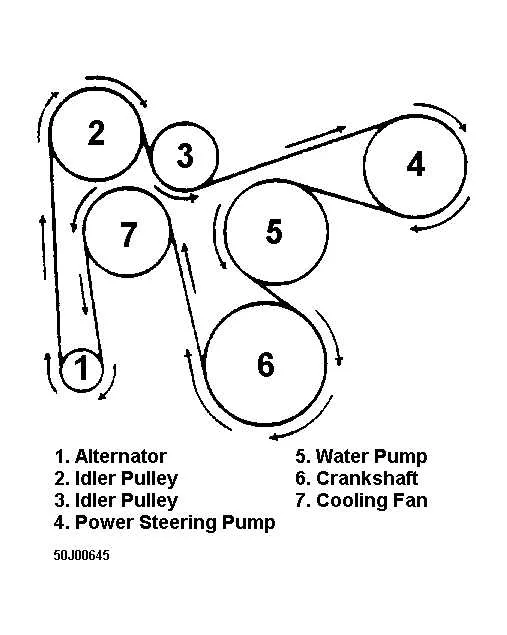
Check the serpentine belt routing carefully before removal to avoid misalignment. The 2016 Jeep Wrangler uses a single serpentine belt that drives the alternator, power steering pump, and air conditioning compressor. Proper orientation of the belt over each pulley ensures smooth operation and prevents premature wear.
Identify each pulley on the engine, including the crankshaft, tensioner, idler, and accessory pulleys. Use a detailed diagram to verify positions, noting the direction of rotation for correct installation. Inspect pulleys for damage or excessive play before placing the new belt.
Adjust belt tension by releasing the tensioner slowly after routing the belt. Ensure the belt sits fully in each pulley groove without twisting or misalignment. Run the engine for a short test to confirm stable rotation and consistent accessory operation. Replace the belt immediately if any slipping, noise, or vibration occurs.
2016 Jeep Wrangler Serpentine Belt Diagram Detailed Guide for Maintenance and Replacement
Inspect the serpentine belt for cracks, fraying, or glazing before any removal. Use a flashlight to check all sides of the belt and note any signs of uneven wear. Replace the belt immediately if visible damage appears.
Locate the belt tensioner on the engine and use a 3/8-inch ratchet or breaker bar to release tension. Rotate the tensioner clockwise while slipping the belt off the pulleys. Keep the belt routing diagram accessible to ensure accurate reinstallation.
Identify each pulley including the alternator, power steering, water pump, and AC compressor. Verify that pulleys spin freely and listen for unusual noises. Replace any pulleys that show wobble, resistance, or grinding sound before installing a new belt.
Position the new serpentine belt according to the diagram, ensuring it sits fully in each pulley groove. Apply tension gradually by releasing the tensioner slowly. Double-check the routing path, confirming the belt contacts all pulleys correctly.
Run the engine at idle for a few minutes and observe the belt operation. Look for smooth movement without slipping or misalignment. Recheck the tension and adjust if necessary to prevent premature wear and maintain optimal performance.
Identify All Pulleys and Components on the 2016 Jeep Wrangler Engine
Locate the crankshaft pulley at the lower center of the engine; it drives all other pulleys through the serpentine belt. Above it, find the alternator pulley on the passenger side, responsible for charging the battery and powering electrical systems.
The power steering pump pulley sits on the driver’s side, slightly above the crankshaft, controlling hydraulic pressure for steering assistance. Adjacent to it, the water pump pulley circulates coolant through the engine to maintain operating temperature.
Identify the AC compressor pulley on the lower passenger side, which engages the air conditioning system when needed. The tensioner pulley maintains proper belt tension, preventing slippage and ensuring smooth operation across all components.
Locate the idler pulleys, which guide the belt around complex paths and help distribute load evenly. Confirm their positions relative to the main accessories using the factory serpentine belt diagram to avoid misalignment.
Inspect each pulley for signs of wear, wobble, or damage before reinstalling the belt. Ensure the belt seats fully on all grooves of every pulley, and rotate the crankshaft manually to verify smooth movement across all components.
Follow Accurate Serpentine Belt Routing for Correct Installation
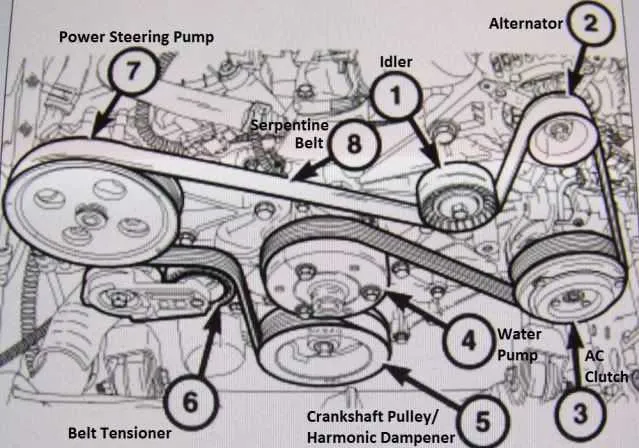
Position the serpentine belt following the exact path indicated on the 2016 Jeep Wrangler engine diagram to prevent misalignment or premature wear.
Begin by looping the belt around the crankshaft pulley, ensuring the grooves align precisely. Move the belt to the water pump pulley next, maintaining proper tension without forcing it.
Proceed to the alternator pulley, checking that the belt fits snugly in the grooves. Route the belt over the power steering pump pulley and continue to the tensioner pulley. Confirm that the belt sits flush against all pulley edges.
Double-check the routing against the official diagram:
- Crankshaft pulley → Water pump pulley → Alternator pulley → Power steering pulley → Tensioner pulley → AC compressor pulley (if equipped)
- Ensure the ribbed side of the belt contacts the corresponding pulley grooves
- Verify that the smooth side of the belt runs over any idler pulleys
Once routed, apply tension via the automatic tensioner. Rotate the crankshaft by hand for one full revolution to confirm the belt tracks correctly on all pulleys. Inspect for any misalignment or slack before starting the engine.
Final inspection should include checking the belt’s contact with pulley edges and confirming there is no twisting. Correct placement prevents slipping, reduces noise, and maintains the performance of all driven components.
Check Belt Tension and Inspect for Wear During Maintenance
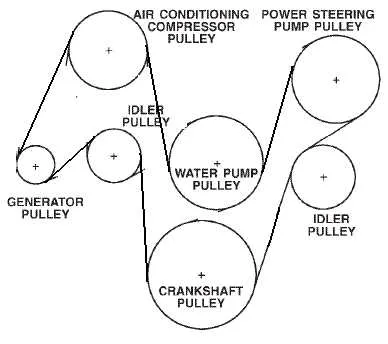
Begin by ensuring the serpentine belt on the 2016 Jeep Wrangler has proper tension. Press down on the longest span of the belt between pulleys; it should deflect roughly 1/2 inch to 3/4 inch under moderate thumb pressure. A belt that moves excessively indicates a loose belt or a failing tensioner, while minimal movement can signal overtightening or a seized component.
Examine the belt surface for cracks, fraying, or glazing. Look for small splits along the ribs and signs of shiny spots, which can reduce grip and lead to slippage. Check the edges for uneven wear or missing chunks, especially near the alternator and idler pulleys.
Inspect all pulleys and tensioner components. Spin each pulley by hand to detect rough rotation or wobbling. Ensure the tensioner spring provides smooth resistance without sticking. Replace any pulley that shows unusual noise, misalignment, or damage.
Measure the belt alignment with a straight edge along the pulley grooves. Misalignment causes premature wear and can damage the belt ribs. Adjust pulleys or replace brackets if alignment is off by more than a few millimeters.
Record the inspection findings and schedule replacement if the belt shows signs of significant wear, cracking, or loss of tension. Regular checks during oil changes or every 10,000 miles help maintain reliable performance and prevent unexpected breakdowns.