2007 Jeep Liberty Serpentine Belt Routing and Diagram for Engine Components
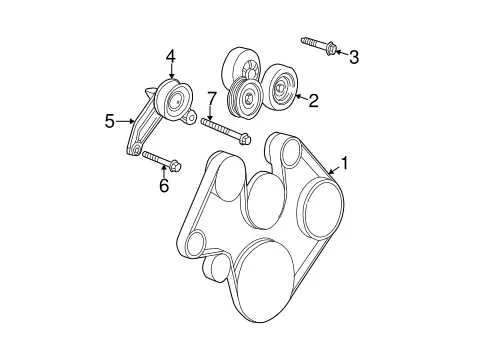
Locate the serpentine belt routing diagram under the hood or in the owner’s manual before removing the belt. On a 2007 Jeep Liberty, the belt drives the alternator, power steering pump, water pump, and air conditioning compressor. Having the diagram on hand ensures correct installation and prevents misalignment that could damage components.
Identify each pulley by function and direction of rotation. The crankshaft pulley powers the entire system, while the tensioner pulley maintains proper belt tension. Confirming pulley positions before loosening the old belt avoids unnecessary strain and makes the replacement process smoother.
Use a belt routing diagram specific to the 3.7L V6 or 2.8L diesel engine. Diagrams differ depending on engine type, so referencing the exact layout reduces trial and error. Print or photograph the diagram for quick access during installation.
Inspect the belt and pulleys while installing the new belt. Look for cracks, fraying, or glazing on the old belt and check for pulley wear. Replacing worn pulleys along with the belt extends service life and ensures consistent performance.
Apply proper tension using the tensioner tool. Slowly release the tensioner once the belt is seated on all pulleys. Double-check alignment against the diagram to prevent slippage or noise during operation.
2007 Jeep Liberty Serpentine Belt Diagram
Follow the routing diagram to correctly install the serpentine belt on a 2007 Jeep Liberty. Start by positioning the belt around the crankshaft pulley, then guide it over the alternator, power steering pump, and water pump pulleys. Ensure the belt sits squarely in all pulley grooves to prevent slipping.
Use the tensioner pulley to apply proper tension. On the 3.7L V6 engine, rotate the tensioner clockwise to allow the belt to slide into place. Release the tensioner slowly to maintain tension without damaging the belt.
Check alignment after installation. All pulleys, including the idler, must rotate smoothly without the belt rubbing the edges. Inspect for cracks or fraying on the belt before and after routing.
Refer to the factory diagram for confirmation: crankshaft at the bottom center, water pump above the crankshaft, alternator on the left, power steering pump on the right, and the tensioner slightly offset. Follow the pattern exactly to maintain proper engine operation and accessory function.
Regularly inspect the serpentine belt every 30,000 miles for wear and replace it immediately if signs of deterioration appear. Correct routing ensures optimal performance of the alternator, A/C compressor, and power steering system.
Identifying Each Component in the Serpentine Belt Path
Locate the crankshaft pulley at the bottom center of the engine; it drives the entire belt system and provides reference for routing. Move clockwise to identify the alternator pulley, usually positioned on the upper driver’s side, responsible for charging the battery. Next, trace the belt to the power steering pump pulley, typically on the passenger side, which powers steering assistance. The water pump pulley, often near the center, circulates coolant through the engine and radiator. Check the A/C compressor pulley on the lower passenger side, controlling air conditioning operation. Finally, identify the tensioner pulley, mounted on a spring-loaded arm, which maintains proper belt tension and prevents slippage. Marking each pulley before removal prevents confusion and ensures correct reinstallation of the serpentine belt.
Step-by-Step Guide to Routing the Serpentine Belt
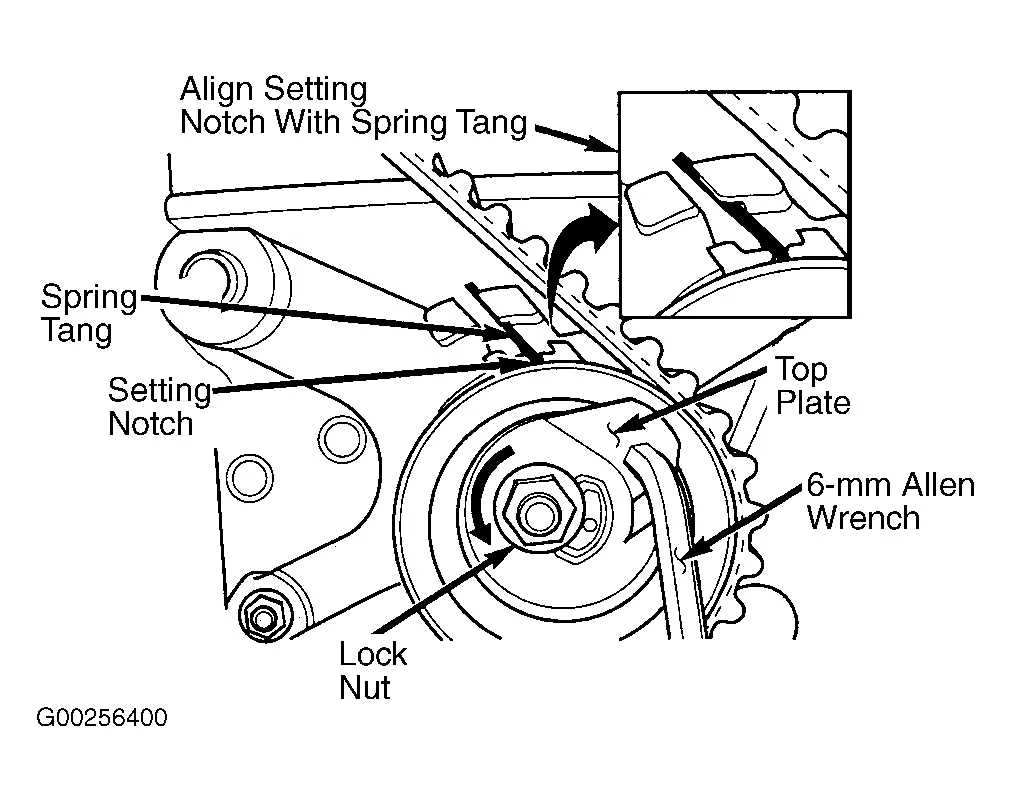
Release tension on the belt tensioner using a 3/8-inch ratchet and carefully slip the old belt off the pulleys. Inspect each pulley for wear, debris, or misalignment before installing the new belt. Position the new serpentine belt around the crankshaft pulley first, ensuring it sits properly in the groove.
Route the belt over the alternator pulley next, keeping it snug against the pulley surface. Loop the belt around the idler pulley on the passenger side, following the diagram for the 2007 Jeep Liberty to maintain correct alignment. Ensure the belt crosses the power steering pulley smoothly without twisting.
Guide the belt under the air conditioning compressor pulley, checking that it sits evenly in all grooves. Pull the belt toward the tensioner pulley and use the ratchet to compress the tensioner, slipping the belt into place carefully. Release the tensioner slowly, confirming the belt seats fully on all pulleys and runs parallel to prevent premature wear.
Rotate the crankshaft pulley by hand two full revolutions to verify the belt moves correctly over each pulley. Listen for unusual noises and adjust if necessary. Once aligned, double-check every pulley groove for proper seating before starting the engine.
Troubleshooting Common Belt Alignment and Tension Issues
Check the belt alignment immediately if you notice squealing noises or uneven wear. Use a straightedge along the pulleys to ensure they line up precisely. Misaligned pulleys can cause rapid belt deterioration and damage to other components.
Inspect the tensioner for proper operation. A weak or stuck tensioner can allow the belt to slip or flutter. Manually compress the tensioner using a wrench; it should move smoothly and return with consistent force.
- Examine the belt for fraying edges, cracks, or glazing. Replace the belt if any of these signs are present.
- Verify that all pulleys spin freely without wobble. Replace any pulley with excessive play or noise.
- Check for oil or coolant contamination on the belt. Clean pulleys thoroughly and replace the belt if contamination is severe.
Adjust the belt tension using the tensioner according to the manufacturer’s specifications. For the 2007 Jeep Liberty, the serpentine belt should deflect approximately 1/2 inch under moderate thumb pressure at mid-span. Over-tightening can strain bearings, while under-tightening causes slipping.
- Loosen the tensioner and reposition the belt on all pulleys correctly.
- Apply pressure to the tensioner to achieve the recommended deflection.
- Tighten the tensioner lock bolt securely and rotate the engine manually to confirm smooth operation.
After installation, run the engine for a few minutes and observe the belt for lateral movement or vibration. Any unusual motion indicates further adjustment or pulley inspection is necessary.