Cub Cadet 1040 Drive Belt Diagram Guide for Accurate Installation and Maintenance
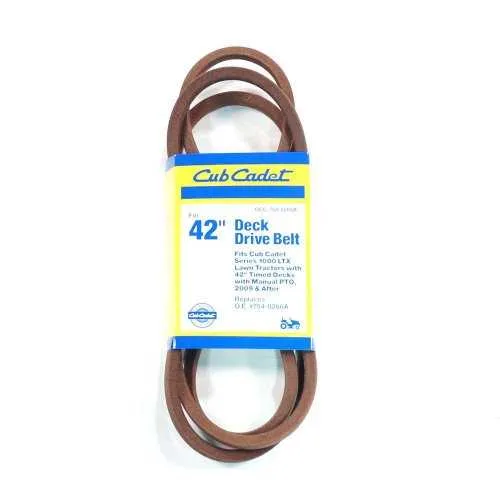
Check the belt routing before removing the old drive belt to avoid misalignment. The Cub Cadet 1040 uses a single V-belt connecting the engine pulley, idler pulleys, and transmission. Ensure each pulley is clean and rotates freely to prevent premature wear.
Inspect the belt for cracks, fraying, or glazing. Replace any belt showing damage with a model-specific Cub Cadet 1040 replacement to maintain proper tension and power transfer. Use a belt diagram to match the correct path over each pulley without skipping steps.
Tension adjustment is critical. Apply moderate pressure on the belt at midspan; it should deflect about 1/2 inch. Adjust the idler pulley or tension spring as needed. Proper alignment reduces slippage and extends the life of the drive system.
Keep the pulley grooves free of debris and lubricate pivot points of idler pulleys lightly. This ensures smooth operation and prevents noise or uneven wear. Follow the diagram precisely for any maintenance or replacement tasks to maintain reliable mower performance.
Cub Cadet 1040 Drive Belt Diagram Detailed Maintenance and Replacement Guide
Inspect the drive belt regularly for cracks, fraying, or signs of glazing. Replace the belt if any damage is visible or if tension is inconsistent across the pulleys.
Locate the belt routing using the diagram specific to the Cub Cadet 1040. Begin by removing the battery and disengaging the parking brake to prevent accidental movement. Loosen the belt tensioner to release tension before sliding the old belt off the pulleys.
Check all pulleys for wear, alignment, and debris. Clean any buildup and ensure pulleys spin freely. Replace any pulley showing grooves, wobble, or rough rotation to prevent premature belt failure.
Install the new drive belt according to the diagram, ensuring it sits correctly in all pulley grooves. Apply tension gradually with the tensioner, confirming the belt maintains proper alignment without slipping or twisting.
After installation, test the mower by engaging the drive system at low speed. Listen for unusual noises and observe belt movement. Adjust tension as needed, then perform a short operation to verify smooth engagement and consistent performance.
Maintain the belt by keeping it free from oil, grease, and debris. Schedule inspections after every 20–30 hours of use or following heavy mowing conditions. Replace the belt immediately if wear accelerates or damage appears.
Locating and Identifying All Drive Belt Components on Cub Cadet 1040
Begin by positioning the Cub Cadet 1040 on a flat surface and engaging the parking brake. Remove the mower deck for clear access to the drive belt system. Identify the main drive belt, which runs from the engine pulley at the front to the transaxle pulley at the rear.
Locate the engine pulley first; it is a smooth, single-groove pulley mounted directly on the engine crankshaft. Trace the belt from this point to the idler pulleys, which maintain tension. The idler pulleys are spring-loaded and positioned near the center of the mower, slightly above the deck mounting brackets.
Identify the transaxle pulley at the rear; it is larger than the engine pulley and connects directly to the drive axle. Confirm the belt routing over the tensioner arm, which holds the idler pulley and allows adjustment of belt tension. The tensioner arm attaches to the mower frame via a pivot bolt.
Check for additional small pulleys along the deck lift mechanism. These guide the belt and prevent slippage when raising or lowering the deck. Note their position relative to the main belt path and verify that each pulley spins freely without wobble or damage.
Finally, review the belt’s path from the engine to the transaxle and idlers, ensuring there are no twists, kinks, or worn areas. Mark each component mentally or with a temporary tag to assist during reinstallation or future maintenance.
Step-by-Step Belt Removal and Proper Routing Instructions
Loosen the engine mounting bolts slightly to relieve tension on the drive belt. Engage the parking brake and remove the ignition key for safety. Ensure the mower is on a flat surface.
- Locate the tension pulley near the engine and pull it outward to release belt tension.
- Slide the belt off the engine pulley first, then carefully remove it from the mower deck pulleys.
- Inspect all pulleys for wear or debris, cleaning them with a dry cloth or soft brush.
- Compare the new belt to the old one to confirm correct length and profile before installation.
- Position the new belt on the engine pulley, following the exact groove alignment.
- Route the belt around the deck pulleys, ensuring it sits correctly in all pulley grooves and does not cross over itself.
- Pull the tension pulley outward again to slide the belt into position and slowly release the tension, checking that the belt maintains proper alignment.
- Manually rotate the engine pulley to verify smooth movement and correct tracking across all pulleys.
- Tighten any loosened engine mounting bolts to the manufacturer’s torque specifications.
After installation, start the mower and observe the belt during operation for unusual noises or slippage, adjusting tension if necessary.
Common Belt Wear Issues and Troubleshooting Methods
Inspect the drive belt regularly for cracks, fraying, or glazing on the surface. Cracks along the edges often indicate age-related wear and may lead to slippage.
Check for uneven wear patterns, which can signal misaligned pulleys. Realign pulleys by loosening mounting bolts and adjusting positions until the belt runs straight and smooth.
Examine the belt tension. A loose belt can slip under load, while an overly tight belt strains bearings. Use a tension gauge or follow manufacturer guidelines to set proper tension.
Look for signs of oil or debris contamination. Clean the pulleys and surrounding areas, and replace the belt if contaminants have penetrated the material, as this reduces grip and causes premature wear.
Listen for unusual noises such as squealing or chirping. These often indicate misalignment, worn pulleys, or a belt that has hardened and lost flexibility.
Replace the belt immediately if you observe fraying, deep cracks, or missing sections of teeth, as continued use can damage the engine or transmission components.
Rotate the belt occasionally to even out wear, especially on multi-pulley systems, and inspect idler pulleys and tensioners for smooth operation and proper alignment.
Maintain a maintenance log to track belt replacements and adjustments, helping identify recurring issues and preventing unexpected failures during operation.