Diagram of the 2014 Dodge 2.4 Engine Belt Routing and Component Layout
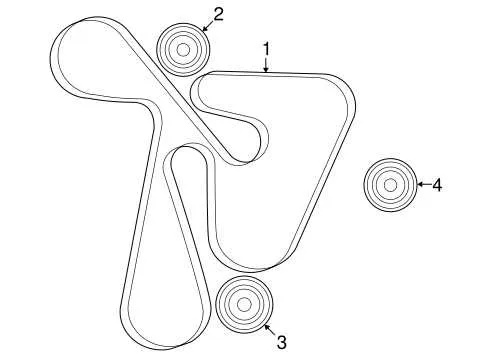
Locate the serpentine belt routing on the 2014 Dodge Journey 2.4L engine by consulting the factory diagram under the hood or in the owner’s manual. Follow the exact path connecting the crankshaft, alternator, power steering pump, and air conditioning compressor to ensure proper tension and alignment.
Verify belt condition before installation. Look for cracks, fraying, or glazing on the old belt, as these signs indicate it must be replaced to maintain smooth engine operation. Using the correct belt length and routing prevents premature wear and reduces the risk of component failure.
Align pulleys accurately during installation. Misalignment can lead to noise, slipping, or damage to accessories. A visual inspection of all pulleys for wear or wobbling is recommended before fitting the new belt. Keep the tensioner released, then rotate the crankshaft slowly to confirm the belt sits properly on all grooves.
Double-check routing against the 2.4L diagram before starting the engine. Confirm the belt runs over the idler and tensioner correctly, maintaining even tension across all components. Correct installation ensures stable performance and prevents engine overheating or alternator malfunctions.
2014 Dodge Journey 2.4 Belt Diagram
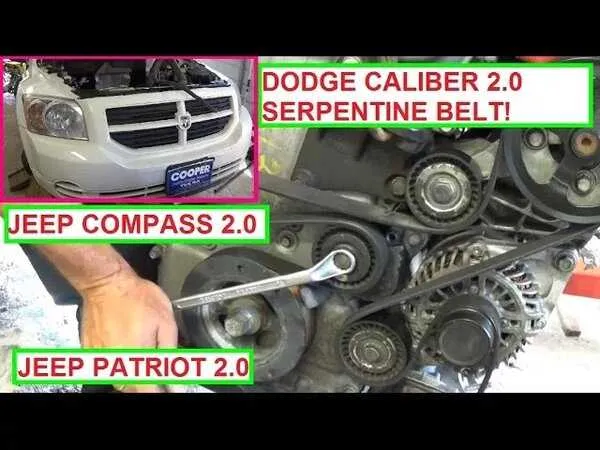
Position the serpentine belt around the crankshaft pulley, moving clockwise to the A/C compressor, then down to the power steering pulley, up to the alternator, and back to the tensioner. Ensure the belt sits fully in each pulley groove to prevent slipping.
Check the tensioner pulley for smooth movement and spring resistance. Replace the tensioner if it shows excessive play or noise. Proper tension prevents premature belt wear and keeps all accessories running correctly.
Inspect the belt ribs for cracks, fraying, or glazing. Use a belt with the correct length and rib count for the 2.4L engine. Misfit belts can reduce performance of the alternator, water pump, and A/C compressor.
Rotate the crankshaft by hand after installation to verify smooth tracking. Tighten all accessory bolts before starting the engine. Recheck belt tension and alignment after the first 100 miles of operation to maintain consistent performance.
Locating the Serpentine Belt Routing on a 2014 Dodge Journey 2.4
Check the engine compartment for the serpentine belt diagram sticker, usually placed on the radiator support or near the coolant reservoir. This sticker provides a clear visual of the belt path, showing the routing around the crankshaft pulley, alternator, power steering pump, and AC compressor.
If the sticker is missing or damaged, trace the belt from the crankshaft pulley. Follow it to the tensioner, noting its direction around each accessory. Use a wrench to relieve tension on the tensioner, which allows safe removal and installation without forcing the belt over pulleys.
Compare the traced path with the factory service manual diagram for a 2014 Dodge Journey 2.4. Pay attention to the rib alignment on each pulley, as mismatched ribs can cause slipping or premature wear. Keep the belt aligned with the grooves and ensure it sits fully in each pulley groove before releasing the tensioner.
Keep a small notebook or take a photo of the routing while the old belt is still in place. This reference speeds up installation and reduces mistakes. Double-check routing before starting the engine, confirming the belt engages all pulleys correctly and tension is even across the system.
Step-by-Step Guide to Removing and Replacing the Belt
Loosen the serpentine belt by locating the tensioner pulley and using a 15mm wrench to rotate it clockwise. This releases tension, allowing the belt to slide off the pulleys.
- Identify the belt routing diagram under the hood or in the owner’s manual. Confirm each pulley’s position, including the alternator, water pump, power steering, and crankshaft pulleys.
- Place the wrench on the tensioner pulley bolt and rotate to relieve tension. Hold the tensioner in this position while slipping the belt off the alternator pulley first.
- Gradually remove the belt from each pulley, noting the correct path for reinstallation. Avoid forcing the belt off any pulley to prevent damage.
- Inspect all pulleys and the tensioner for wear or misalignment. Replace any pulley that shows cracks, wobble, or rough bearing noise.
- Position the new belt according to the diagram, starting with the crankshaft pulley. Route the belt around each pulley, leaving the tensioner for last.
- Use the wrench to rotate the tensioner again and slide the belt onto it. Slowly release the tensioner to apply pressure to the belt evenly across all pulleys.
- Double-check the belt’s seating on every pulley. Each rib should align correctly with the grooves to prevent slipping or noise.
- Start the engine and observe the belt in motion. Listen for squealing or rattling, and shut off the engine immediately if any irregular movement appears.
Keep a spare wrench nearby for adjustments and check belt tension after a few miles of driving to ensure it maintains proper alignment.
Identifying Tensioner and Pulley Positions in the Belt Diagram
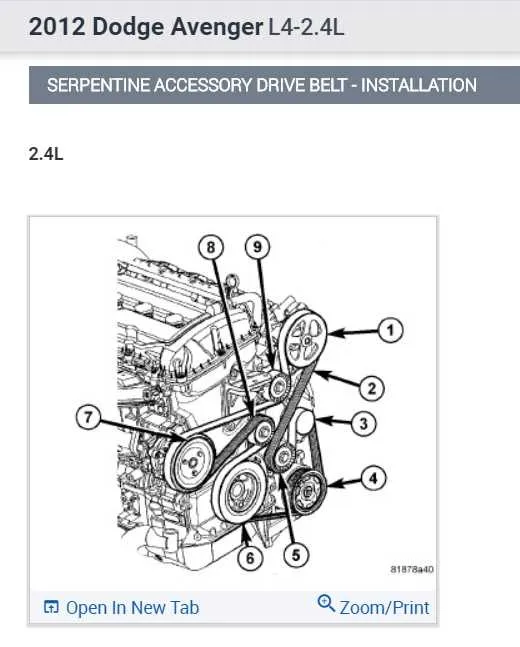
Locate the automatic tensioner on the upper-right side of the engine, just above the alternator. It maintains the correct belt tension, preventing slippage and uneven wear. Apply a wrench to the tensioner’s square hole to rotate it and release belt pressure when removing or installing the belt.
Identify the crankshaft pulley at the bottom center of the diagram; it drives all accessory components. Follow the belt path from the crankshaft to the serpentine belt idler, positioned near the front of the engine, which guides the belt and keeps it aligned with the other pulleys.
The water pump pulley sits to the left of the tensioner, usually marked with a small arrow or label in the diagram. The power steering pump pulley is located above the crankshaft pulley, slightly to the left, ensuring proper belt routing around both the alternator and the air conditioning compressor pulley.
Cross-reference the diagram with the actual engine layout to confirm each pulley’s position. Tensioners and idlers may have similar appearances, so check for mounting bolts and pivot points to differentiate them. Maintaining the correct routing ensures the belt operates silently and avoids premature wear.