Detailed 2006 Toyota Corolla Belt Diagram for Accurate Engine Component Reference
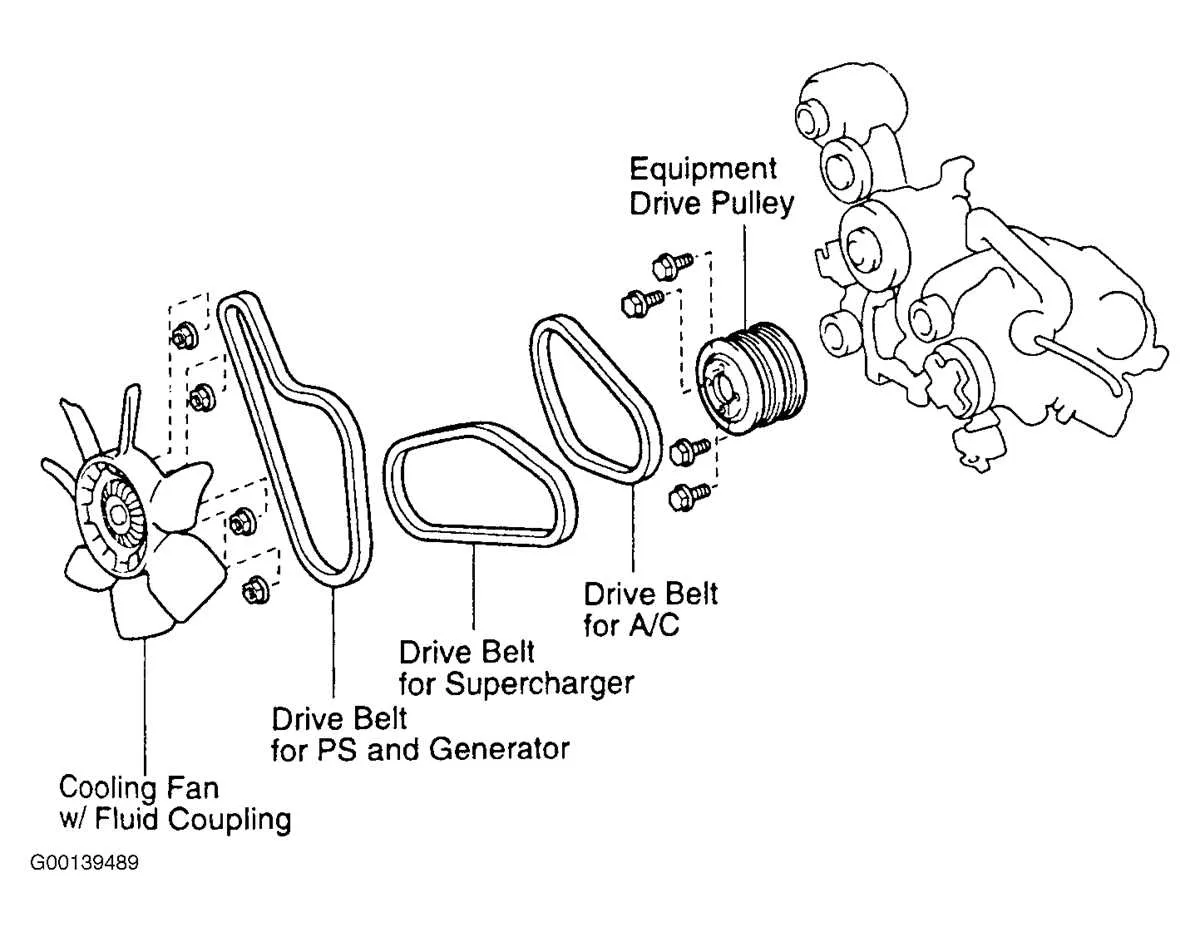
Check your 2006 Toyota Corolla’s serpentine belt routing before attempting any maintenance. Using the correct belt path ensures proper operation of the alternator, power steering, and air conditioning systems. The belt should loop around the crankshaft pulley, tensioner, and accessory pulleys exactly as shown in the diagram to prevent misalignment and premature wear.
For models with a 1.8L 4-cylinder engine, the belt wraps around five main pulleys: crankshaft, alternator, tensioner, water pump, and A/C compressor. The tensioner keeps the belt tight, maintaining optimal performance and preventing slipping. Inspect the tensioner pulley for smooth rotation and replace the belt if cracks or fraying appear.
Following the diagram carefully during installation reduces engine downtime and avoids unnecessary replacements. Align the belt properly, rotate the crankshaft by hand to check tension, and confirm all pulleys track correctly. Using a high-quality replacement belt rated for 2006 Corolla specifications prolongs the lifespan of both the belt and engine components.
2006 Toyota Corolla Belt Diagram Guide
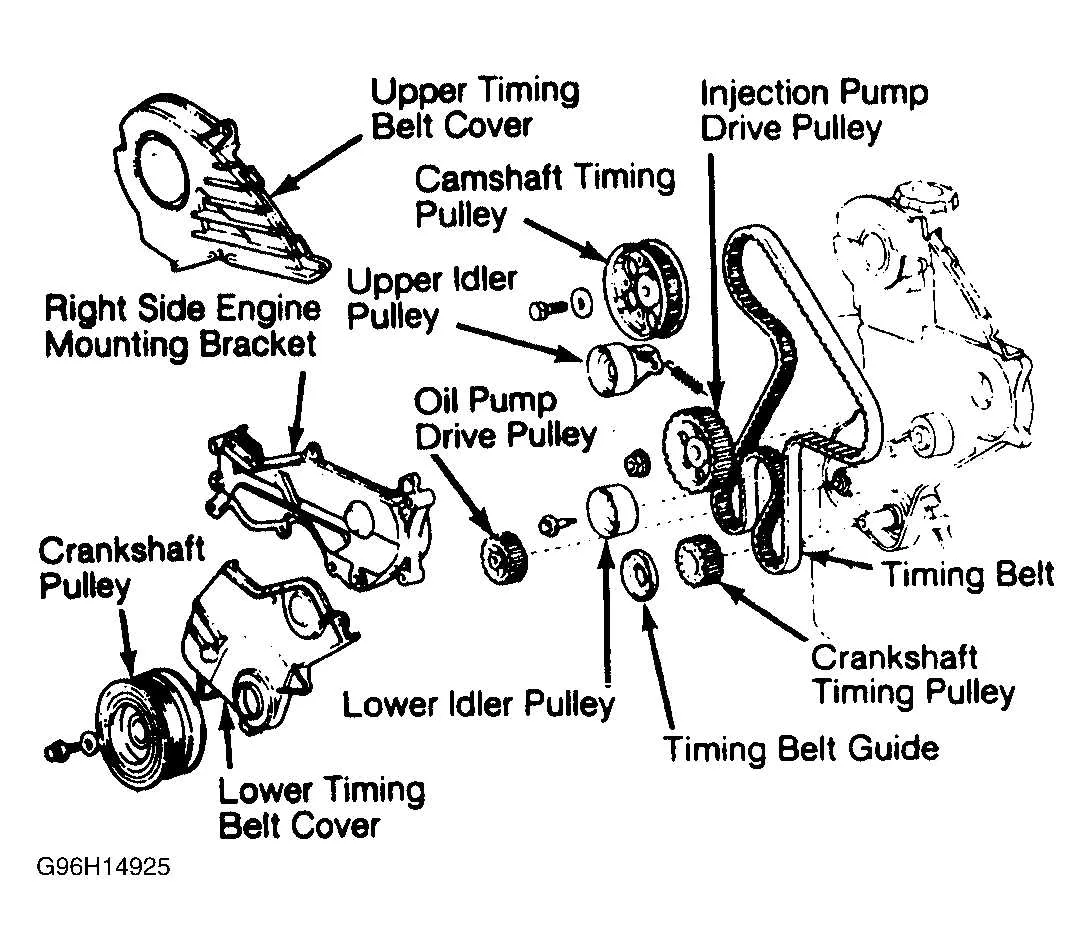
Locate the serpentine belt routing clearly on the engine’s front side, next to the alternator and crankshaft pulley. Follow the diagram etched on the sticker near the radiator support or under the hood for exact alignment. The belt loops around the crankshaft, alternator, water pump, power steering pump, and air conditioning compressor in a specific sequence.
Release tension using a wrench on the tensioner pulley, rotating it clockwise to slip the old belt off. Compare the new belt with the removed one to confirm length and rib alignment. Route the new belt according to the diagram, ensuring all grooves align with the pulleys’ ridges.
After installation, rotate the crankshaft manually to verify smooth belt movement. Check that tensioner fully engages and the belt sits evenly on each pulley. Regularly inspect for cracks or fraying and replace the belt every 60,000–90,000 miles to maintain optimal performance and prevent engine damage.
Locating and Identifying Each Belt on a 2006 Corolla
Check the engine bay from the front of your 2006 Corolla to identify the belts. The primary belt is the serpentine belt, which drives the alternator, power steering pump, and air conditioning compressor. It wraps around multiple pulleys in a single continuous loop. Locate the tensioner pulley near the center of the belt; releasing tension allows you to remove or inspect the belt.
The timing belt sits behind the timing cover on the passenger side of the engine. It synchronizes the rotation of the crankshaft and camshaft. Remove the cover carefully to see the belt and align the timing marks on the camshaft and crankshaft pulleys for proper identification.
The accessory belts on some models, like the alternator and air conditioning belts, are separate from the serpentine belt. They run in simpler loops around their respective pulleys. Identify each by tracing from the accessory component to the crankshaft pulley.
Label each belt with a piece of tape or take a photo before removal to avoid confusion during reinstallation. Check the belts for cracks, fraying, or glazing while identifying them. Use the factory diagram or the under-hood sticker as a reference to verify each belt’s path and tension points.
Step-by-Step Belt Removal and Replacement Diagram
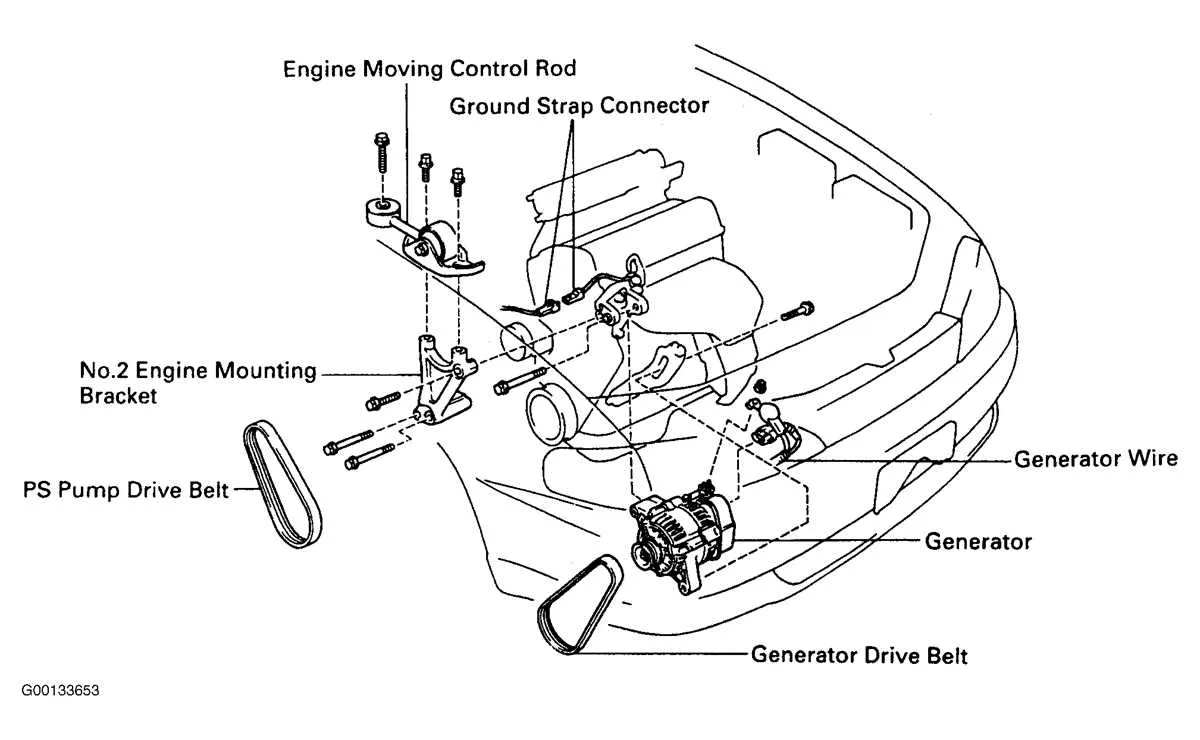
Loosen the tensioner using a 14mm socket and rotate it clockwise to release tension from the serpentine belt. Slide the belt off the pulleys starting with the alternator, then the power steering, and finally the crankshaft pulley. Keep track of the belt routing for correct installation.
- Locate the serpentine belt diagram sticker near the radiator or under the hood. Compare it with your engine layout.
- Use a wrench or ratchet on the tensioner pulley to relieve pressure. Ensure your hand is clear of moving parts.
- Remove the old belt carefully, noting any wear patterns or cracks that could indicate pulley issues.
- Align the new belt on the pulleys according to the diagram, starting with the crankshaft pulley and following the exact path for alternator, A/C compressor, and power steering.
- Rotate the tensioner again and slip the belt over it. Check that the belt sits evenly in all pulley grooves without twisting.
- Double-check alignment against the diagram, then slowly release the tensioner to apply proper tension. Inspect for smooth movement by turning the engine manually with a socket on the crankshaft bolt.
- Start the engine briefly to verify no squeaks or misalignment occur. Re-inspect after a few minutes of operation.
Using this sequence prevents misrouting, pulley damage, and premature belt wear. Keeping a photo of the routing before removal can simplify reinstallation and ensure proper tension distribution.
For tight spaces, a serpentine belt tool with a long handle can make tensioner rotation easier and safer. Avoid forcing the belt onto pulleys to prevent snapping or misalignment.
Troubleshooting Common Belt Issues Using the Diagram
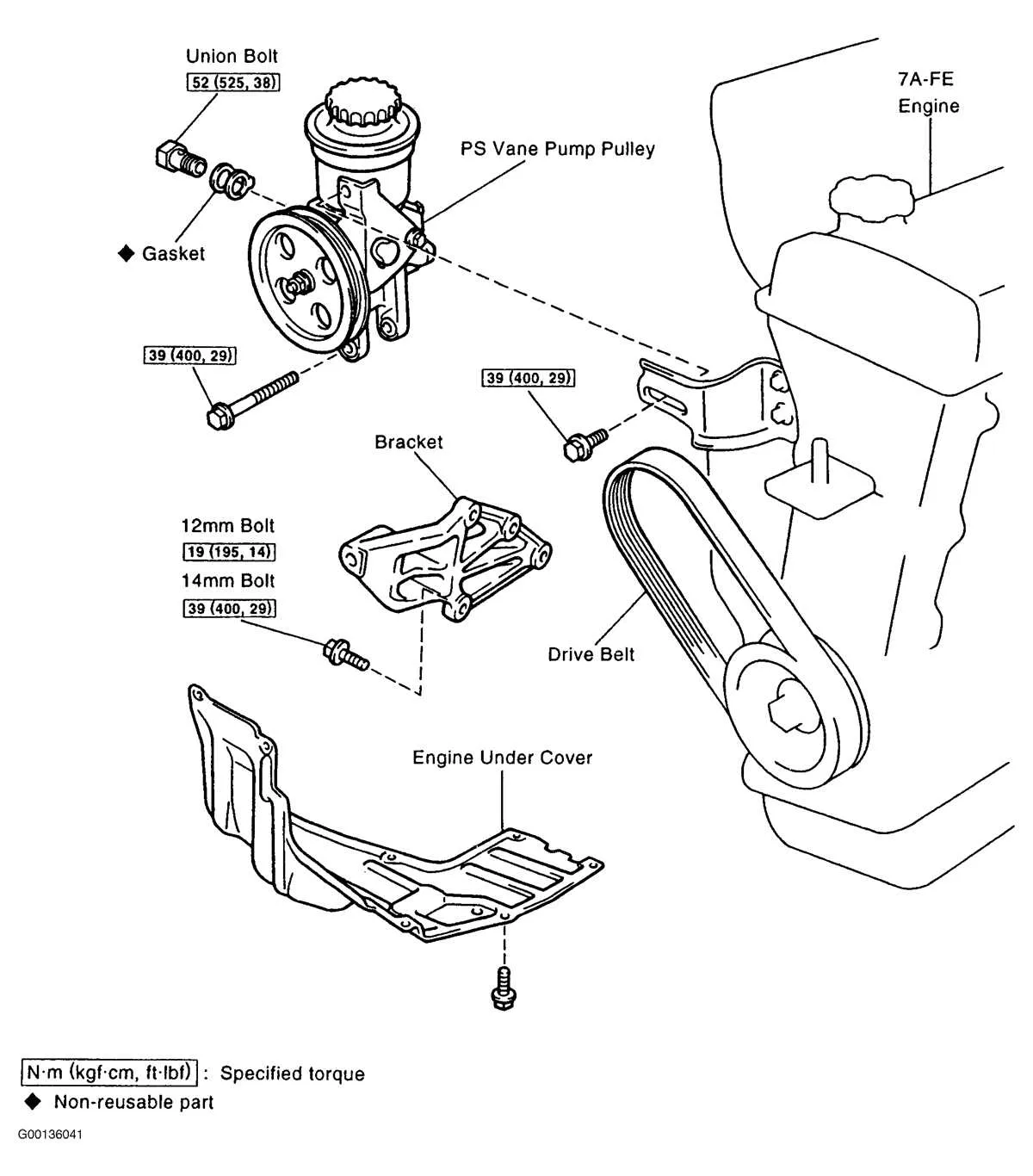
Check the tensioner pulley first; a loose or worn tensioner often causes squealing or skipping. Compare its position to the belt routing on the diagram to confirm proper alignment. Inspect the serpentine belt for cracks, fraying, or glazing along the ribs. Use the diagram to verify that the belt follows the exact path around the alternator, water pump, power steering, and A/C pulleys.
Listen for irregular noises while the engine runs. If the belt slips, trace it along the diagram to ensure each pulley is correctly seated. Misalignment between the crankshaft pulley and accessory pulleys is a common source of vibration. Adjust or replace the affected component according to the routing map.
Examine the idler pulleys next. The diagram indicates their locations and rotation direction. Spin each pulley by hand; roughness or wobble signals the need for replacement. Confirm the belt tension matches manufacturer specifications, referencing the diagram for guidance on routing over all tensioners and pulleys.
For vehicles with timing belts, use the diagram to verify the belt teeth align precisely with camshaft and crankshaft sprockets. Incorrect alignment can cause poor engine performance or valve damage. Mark reference points from the diagram to double-check installation before starting the engine.
Keep the diagram accessible during every inspection. Cross-referencing belt path, pulley order, and tension points reduces guesswork and prevents repeated mistakes. Following this method ensures smooth operation and extends the lifespan of both the belt and associated components.