Volvo XC90 serpentine belt diagram with routing details and replacement guide
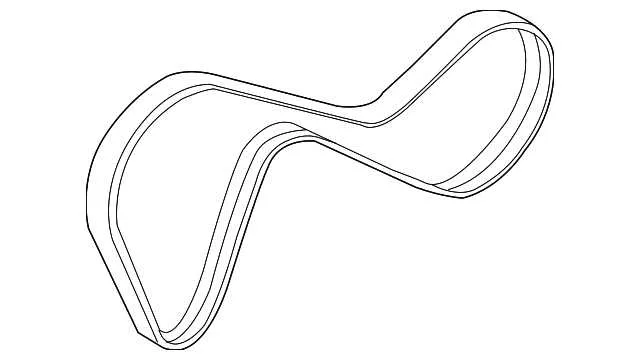
Check the serpentine belt layout on your Volvo XC90 before replacing it to avoid mistakes during installation. The diagram shows how the belt routes across the crankshaft pulley, alternator, power steering pump, air conditioning compressor, and tensioner. A correct path ensures that all accessories receive proper drive without extra strain on the belt.
The Volvo XC90 typically uses a single serpentine belt that wraps around multiple pulleys. Misalignment during installation can lead to squeaking, early wear, or complete belt failure. Always verify the tensioner position and confirm that the belt grooves align perfectly with pulley tracks before tightening.
Having the diagram at hand saves time and reduces the risk of damage to components. It provides a quick reference during maintenance, especially if the old belt snapped or was removed without noting the original path. Keep a printed or digital version nearby for future service.
For accuracy, check the diagram that matches your XC90 engine variant, as pulley configuration may vary between petrol and diesel models. Using the correct layout ensures a smooth replacement process and reliable operation of all auxiliary systems.
Volvo XC90 Serpentine Belt Diagram
Check the belt routing before removing the old serpentine belt to avoid mistakes during reinstallation. The Volvo XC90 uses a single belt to drive the alternator, power steering pump, air conditioning compressor, and water pump. A clear diagram ensures correct alignment and tension.
The belt typically runs from the crankshaft pulley at the bottom, then wraps around the tensioner, idler pulley, alternator, and continues to the AC compressor. Each engine variant (2.5T, 3.2, V8, or D5 diesel) has a slightly different layout, so match the diagram with your specific engine code.
Tip: Use a long-handled wrench on the automatic tensioner to release pressure, then slide the belt off one pulley. When installing the new belt, follow the diagram step by step, ensuring the grooves sit perfectly inside each pulley track. A misaligned belt can cause squealing or premature wear.
Recommendation: Keep a printed routing diagram near the engine bay for quick reference during future replacements. This simple habit prevents confusion and saves time during maintenance.
Location of the Serpentine Belt in Volvo XC90 Engine Bay
Access the serpentine belt on a Volvo XC90 by looking at the passenger side of the engine bay, where the belt runs across the front of the engine block. It sits behind the cooling fan shroud and spans multiple pulleys, including the alternator, power steering pump, and air conditioning compressor.
Identify the belt’s path by following the crankshaft pulley at the bottom center of the engine; from there, the belt loops upward and around the auxiliary components. The tensioner pulley is positioned slightly above and to the right of the crankshaft, allowing quick adjustments or belt removal with a wrench.
To inspect or replace the belt, remove the plastic engine cover and check the area near the radiator side for the clearest view. Ensure proper clearance by moving aside the intake duct if necessary, which creates easier access without disturbing major engine parts.
Step-by-Step Belt Routing Based on Diagram
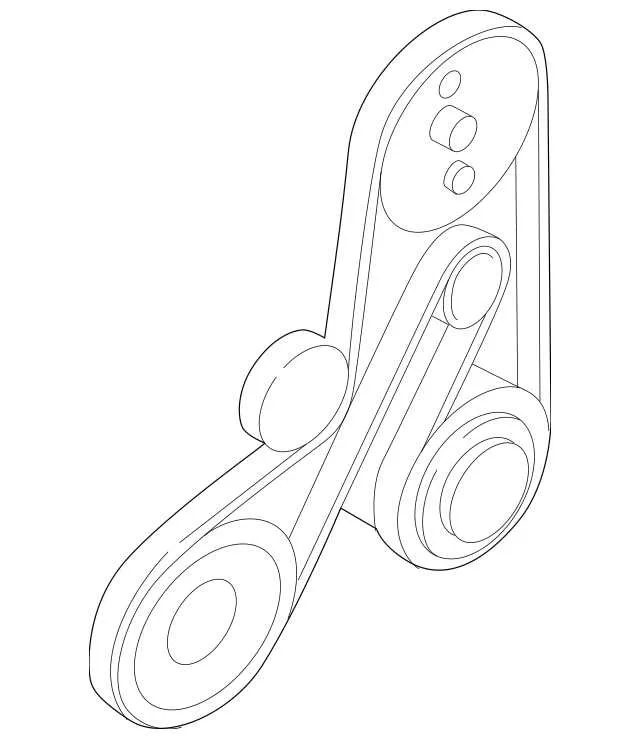
Check that the engine is cool and the battery is disconnected before starting. Place the new serpentine belt near the diagram for quick reference.
- Locate the crankshaft pulley at the bottom center and wrap the belt around it fully.
- Move upward and guide the belt around the A/C compressor pulley on the passenger side.
- Route the belt toward the alternator pulley at the top of the engine.
- Position the belt along the idler pulley, keeping it seated correctly in the grooves.
- Pull the belt toward the power steering pump pulley on the driver’s side.
- Align the belt with the water pump pulley and verify that it runs smoothly without twists.
- Finish by looping the belt around the tensioner pulley. Use a wrench to rotate the tensioner, slide the belt in place, and slowly release pressure.
Inspect every pulley to confirm the belt sits inside the grooves without slack. A misaligned section can shorten belt life and cause noise.
Identifying Tensioner and Pulley Positions in the Diagram
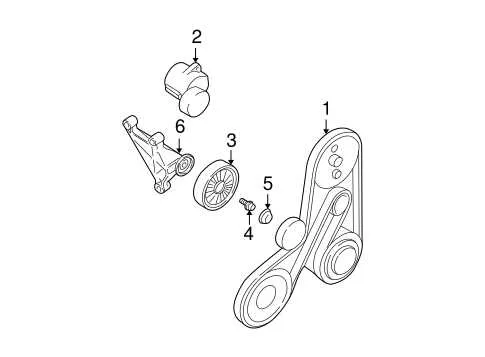
Locate the tensioner on the diagram near the top or slightly off-center of the engine front. Its spring-loaded arm and smooth pulley mark the starting point for belt routing. Hold the tensioner in mind as a reference to check the alignment of all other pulleys.
Identify the idler pulley opposite or near the tensioner. Its smooth surface indicates it guides the belt without driving any accessory. Confirm its placement to maintain proper belt tension and alignment along the path.
Trace the crankshaft pulley at the bottom; it is the largest and drives the belt. From there, follow the belt to the alternator pulley, usually positioned upper-left with grooves, then to the power steering pulley on the side, slightly larger. The A/C compressor pulley sits lower on the opposite side, while the water pump pulley appears near the center, connecting multiple belt segments.
Check pulley surfaces: grooved pulleys carry the ribbed belt side, smooth pulleys contact the flat side. Verifying these details prevents misrouting, reduces belt wear, and ensures quiet operation.