2007 Lexus ES 350 Serpentine Belt Routing and Replacement Guide with Detailed Diagram
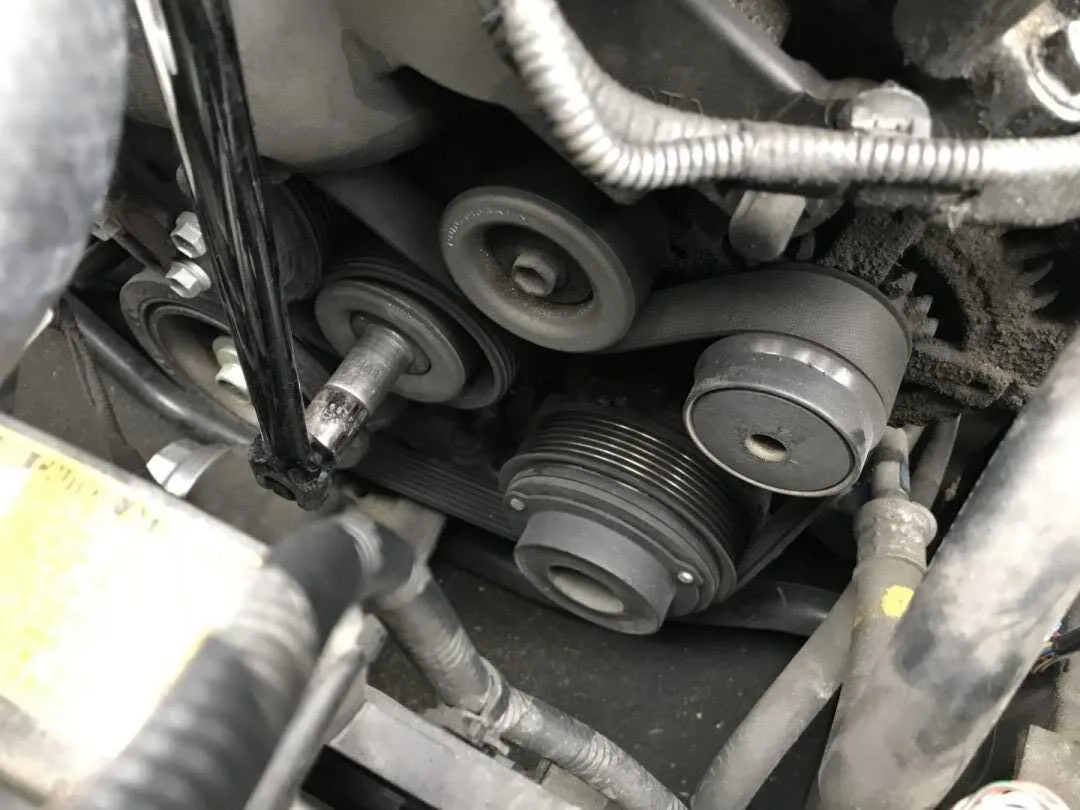
Check the serpentine belt for cracks, fraying or shiny glazed areas before driving long distances. Replace it if any section shows visible wear. Use a 14 mm wrench on the tensioner pulley to release tension and carefully slide the belt off each accessory pulley.
Follow the routing diagram under the hood or the vehicle manual to position the new belt. Ensure every rib fits exactly into the pulley grooves to avoid squealing or premature wear. Rotate the tensioner back slowly to secure the belt and inspect alignment along the entire path.
After installation, start the engine and watch the belt’s movement. A smooth, steady rotation without vibration or noise confirms proper seating. Recheck the belt tension after a short drive to maintain reliable performance of the alternator, power steering pump and air conditioning compressor.
2007 Lexus ES 350 Serpentine Belt Diagram
Follow the factory routing to position the belt across the crankshaft pulley, alternator, water pump, air conditioning compressor, and power steering pump. Place the ribbed side against all grooved pulleys and the smooth side against idler and tensioner pulleys.
Insert a breaker bar or serpentine belt tool into the tensioner and rotate it clockwise to relieve tension. Slide the belt over the final pulley while holding the tensioner and release it slowly to maintain proper pressure.
Check that each rib seats fully inside its groove and that the belt lies flat across all pulleys. Run the engine for several seconds and observe the belt path for steady tracking without squeaks or vibration.
Tools and Parts Needed for Replacing the 2007 Lexus ES 350 Serpentine Belt
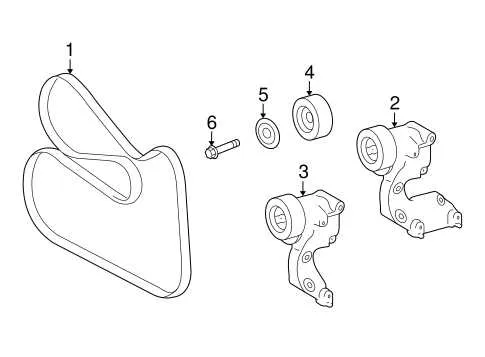
Gather a 14 mm box-end wrench or serpentine belt tool to release the tensioner pulley. Prepare a ratchet with a short extension to access tight spots near the tensioner bracket. Keep a torque wrench ready for reattaching components to factory specifications.
Have a replacement serpentine belt with the correct length and rib count for the 3.5 L V6 engine, such as OEM part number 90916-02570 or an equivalent aftermarket belt. Inspect the idler pulley and tensioner pulley for wear and replace them if they show signs of noise or rough rotation.
Use a flashlight to check the pulley grooves for debris and a clean rag to wipe the contact surfaces. Keep gloves and safety glasses on hand to protect against slipping tools and belt snapback. Ensure a clear workspace to remove the old belt and route the new one along the factory diagram without twisting.
Step-by-Step Routing Instructions for the 2007 Lexus ES 350 Serpentine Belt
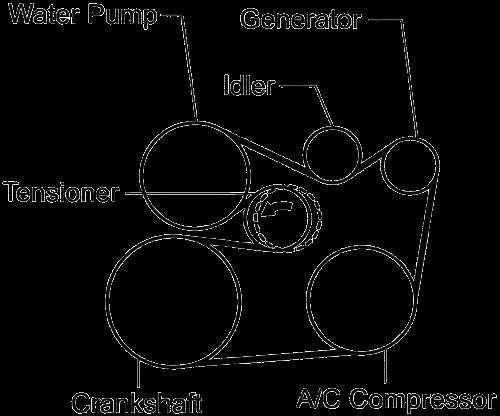
Release tension from the belt tensioner using a 14 mm wrench on the tensioner pulley bolt, turning it counterclockwise to relieve pressure. Slide the old belt off each pulley and carefully note the routing path before removal.
Position the new belt around the crankshaft pulley first. Wrap it around the A/C compressor pulley and the alternator pulley, keeping the ribbed side aligned with the grooves. Guide the smooth side across the water pump pulley and the idler pulley.
Route the belt over the power steering pump pulley and finally onto the tensioner pulley. Verify that every rib sits fully in its track and the belt is centered across each pulley.
Hold the wrench on the tensioner, rotate it counterclockwise, and slip the belt fully into place. Slowly release the tensioner to apply pressure to the belt without jerks.
Inspect the entire belt path for straight alignment and consistent tension. Rotate the crankshaft manually with a socket to check smooth movement and confirm correct routing before starting the engine.
Tips to Check Alignment and Tension After Installing the 2007 Lexus ES 350 Serpentine Belt
Inspect the belt path across all pulleys and confirm it sits fully inside every groove. Misalignment of even one rib can cause rapid wear or squealing. Use a flashlight to view the lower pulleys from different angles for a clear check.
Press the belt midway between the longest span with moderate finger pressure. A correctly tensioned belt should move about 1/4 inch (6 mm) without excessive slack or stiffness. If it deflects more or feels loose, adjust the tensioner until the deflection matches the specification.
- Rotate the crankshaft by hand two full turns and recheck that the belt remains seated inside each pulley groove.
- Verify the automatic tensioner indicator aligns within its marked range; replace the tensioner if the pointer sits outside the scale or bounces while the engine runs.
- Start the engine and listen for steady operation without chirping or squealing. Shut off the engine and recheck alignment immediately while components are warm.
- Check the belt surface for fraying or glazing after the first short drive and again after 50 miles (80 km) to confirm stable tension and alignment.
Reinspect the tensioner and belt condition at regular service intervals to maintain consistent performance and prevent premature component wear.