Roper Dryer Belt Diagram Clear Guide for Accurate Installation and Maintenance
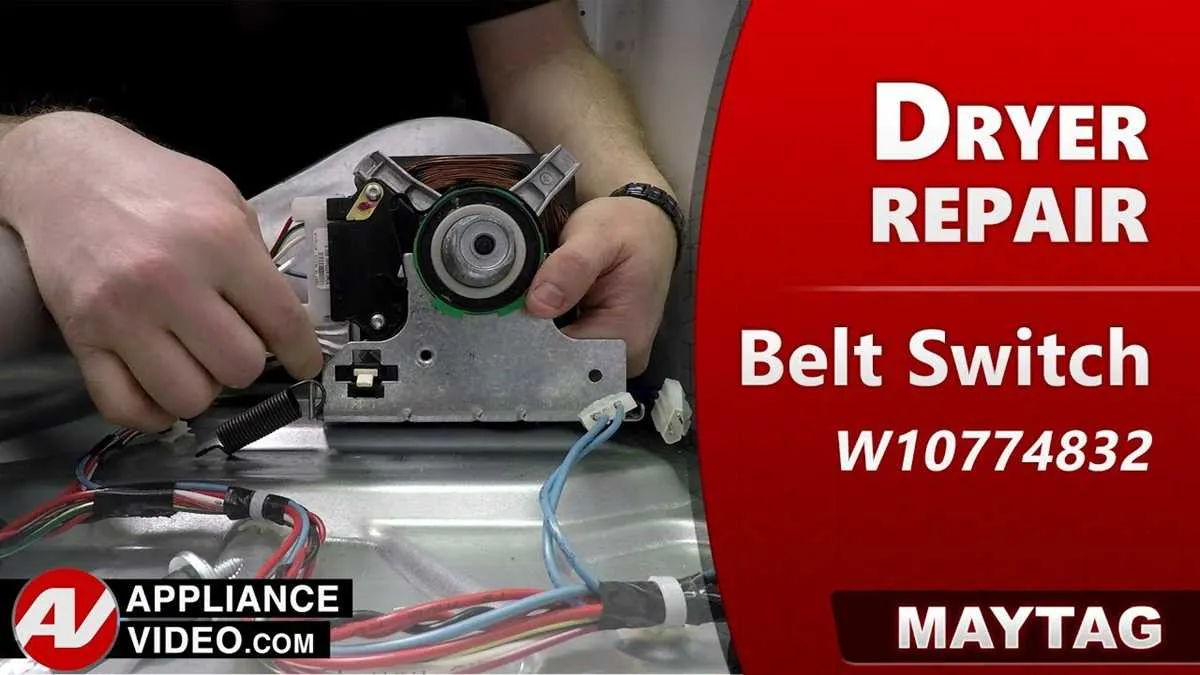
Check the orientation of the Roper dryer belt before attempting installation. Ensure the drum is accessible and the old belt is fully removed. Align the new belt with the drum and motor pulleys, keeping tension evenly distributed across all contact points.
Inspect the belt path diagram closely to verify correct routing. Note that the drive belt wraps around the drum, idler pulley, and motor pulley in a specific sequence. Misalignment can cause slipping, uneven drying, or motor strain, so follow the diagram precisely.
Use the idler pulley to apply proper tension. Rotate the drum manually after positioning the belt to confirm smooth movement. If the belt shifts off the pulleys, readjust routing according to the diagram until it maintains consistent alignment throughout rotation.
Regularly examine the belt for signs of wear, fraying, or cracking. Replacing a compromised belt promptly prevents further damage to the motor and drum assembly. Keep the diagram accessible for reference during any maintenance or troubleshooting tasks.
Roper Dryer Belt Diagram Detailed Practical Guide
Locate the model number on your Roper dryer to confirm belt compatibility. Most models use either a single-groove or multi-groove belt; verify this against your diagram before starting.
Disconnect the dryer from the power source. Remove the top panel by unscrewing the retaining screws, then slide the panel back to access the drum and belt area safely.
Identify the drum, motor pulley, and idler pulley on the diagram. The belt wraps around the drum, passes under the idler pulley to maintain tension, and loops around the motor pulley for rotation.
If replacing the belt, release tension on the idler pulley by pushing it inward and slip the old belt off the motor and drum. Align the new belt according to the diagram, ensuring the ribbed side faces the drum for proper traction.
Rotate the drum by hand to confirm the belt tracks correctly without slipping or twisting. Adjust the idler pulley if necessary to maintain proper tension as indicated in the diagram.
Reassemble the top panel, secure all screws, and reconnect the power. Run a short drying cycle to verify smooth drum rotation and correct belt alignment before regular use.
Locating and Identifying All Belt Components on a Roper Dryer
Begin by unplugging the dryer and removing the front panel to access the drum and belt area. Position the dryer so you have clear visibility of the rear and underside for easier identification of each component.
- Drum: The main cylindrical component that rotates and holds clothes. Check for the groove where the belt rests.
- Drive Belt: Wraps around the drum, passes over the motor pulley, and connects to the idler pulley. Ensure the ribbed side faces the motor pulley for proper grip.
- Idler Pulley: Mounted on a spring-loaded arm. It maintains tension on the drive belt. Identify the pulley by gently pressing the arm and observing movement.
- Motor Pulley: Connected to the dryer motor. The belt runs over this pulley to drive the drum. Confirm alignment with the drum groove and idler pulley path.
- Spring Arm: Holds the idler pulley in tension. Locate the spring, which stretches from the base frame to the arm, allowing the pulley to adjust automatically.
- Belt Path Guides: Some Roper models include guides or brackets to keep the belt aligned. Trace the belt along its full path and check for any metal clips or hooks that guide it.
Verify all components by rotating the drum manually after routing the belt correctly. Ensure the belt sits snugly in the drum groove and passes smoothly over the motor and idler pulleys without rubbing other parts.
Mark or photograph the setup before removing any worn belt. This reference helps maintain the correct path when installing a new belt, reducing errors and preventing misalignment during reassembly.
Step-by-Step Instructions for Replacing the Dryer Belt
Disconnect the dryer from the power source to prevent accidents before starting any work.
Remove the lint filter and open the dryer’s top panel by loosening the screws at the back. Lift the panel carefully and set it aside.
Pull out the dryer drum by sliding it forward. Inspect the existing belt for signs of wear or damage and note its routing around the drum and idler pulley.
Release tension on the idler pulley and remove the old belt from the motor shaft and drum. Dispose of it safely.
Place the new belt around the drum, ensuring the ribbed side faces the drum surface. Loop the belt around the idler pulley and motor shaft, following the exact path of the old belt.
Apply tension to the idler pulley so the belt sits snugly without slack. Rotate the drum manually to check for smooth movement and proper alignment.
Reinstall the dryer drum carefully, making sure it sits correctly on the support rollers and guides. Reattach the top panel and secure all screws.
Replace the lint filter and plug the dryer back in. Run a short test cycle to confirm the drum rotates correctly and the belt functions as intended.
Troubleshooting Common Belt Issues and Alignment Problems
Check the dryer belt for visible cracks, fraying, or worn spots before proceeding. Replace the belt if any damage is detected, as compromised belts can slip or break during operation.
Inspect the drum for proper rotation. If the drum wobbles or resists turning, the belt may be misaligned or improperly seated on the idler pulley and motor shaft. Adjust the belt by repositioning it along the drum and pulleys, ensuring it runs in the center of each wheel groove.
Listen for squealing or rubbing noises. These often indicate tension issues. Loosen the motor mount slightly, reposition the belt, and then retighten to maintain adequate tension. Avoid over-tightening, which can strain the motor.
Check the idler pulley and drum rollers for smooth rotation. Replace any pulley or roller that binds or shows signs of wear, as damaged components can cause the belt to derail or track incorrectly.
Ensure all components align with the belt diagram. The belt should form a continuous loop around the drum, idler pulley, and motor shaft. Misrouting the belt can prevent the dryer from turning or cause uneven wear.
After adjustments, run the dryer empty to observe belt movement. The drum should rotate evenly without slipping or wobbling. Recheck alignment and tension if any irregularities occur.