LS Belt Diagram Detailed Guide for Proper Installation and Maintenance
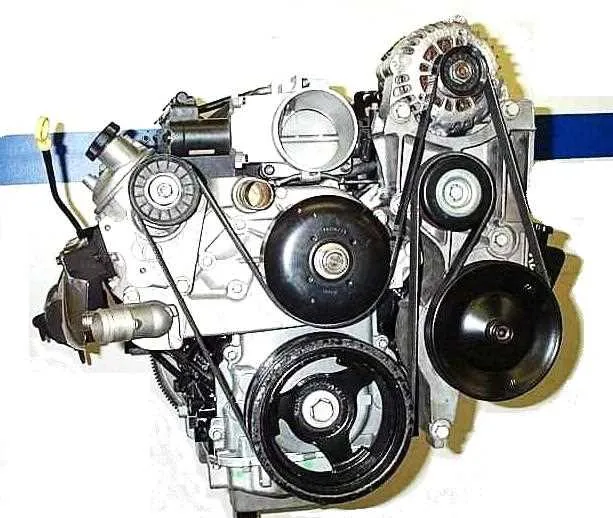
LS Belt Diagram
The LS belt diagram is key for understanding the routing and function of the serpentine belt in LS engine models. Correctly identifying each component driven by the belt ensures proper engine performance and avoids mechanical failure.
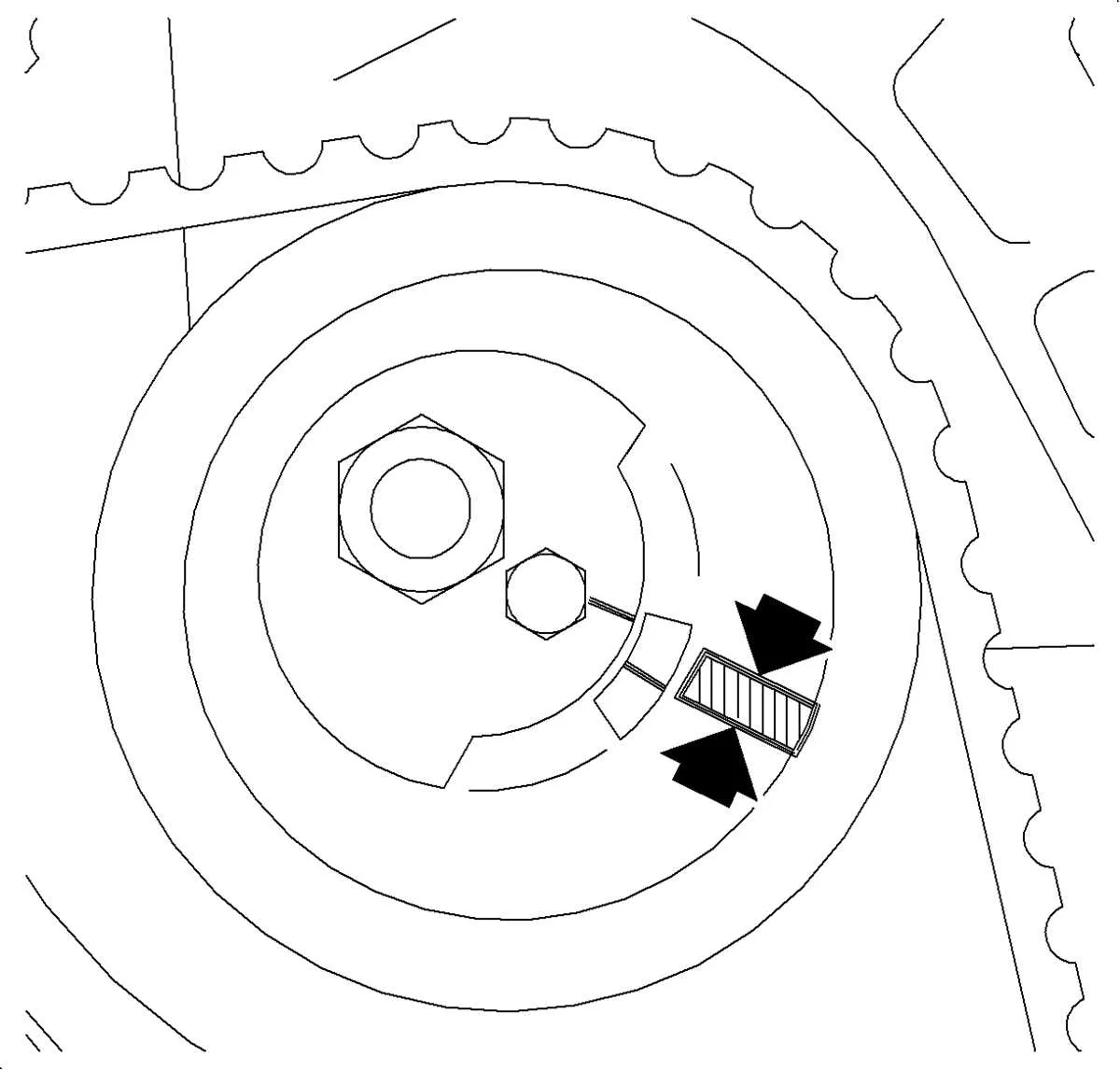
Begin by locating the belt tensioner. This component maintains the proper tension of the serpentine belt, ensuring it doesn’t slip. It’s typically found on the right side of the engine and can be easily adjusted with a special tool to relieve tension.
Next, note the placement of each driven component: the alternator, power steering pump, water pump, air conditioning compressor, and the crankshaft pulley. Each of these parts relies on the serpentine belt for movement and functionality. The diagram will show how each component is connected, allowing for precise troubleshooting or replacement.
To ensure you have the correct LS belt diagram, refer to the engine model’s specific documentation. Belt routing varies depending on the engine type (LS1, LS2, LS3, etc.), so verify compatibility before proceeding.
Always check for any signs of wear, such as cracking or fraying, on the belt. Replace the serpentine belt if any of these signs are visible. A worn-out belt can lead to power loss or engine overheating if the water pump stops functioning.
Follow the diagram step by step, ensuring each component is connected as shown. Misrouting the belt can lead to serious damage. Make sure to tighten all bolts and components after installation.
Understanding the Components of the LS Serpentine Belt System
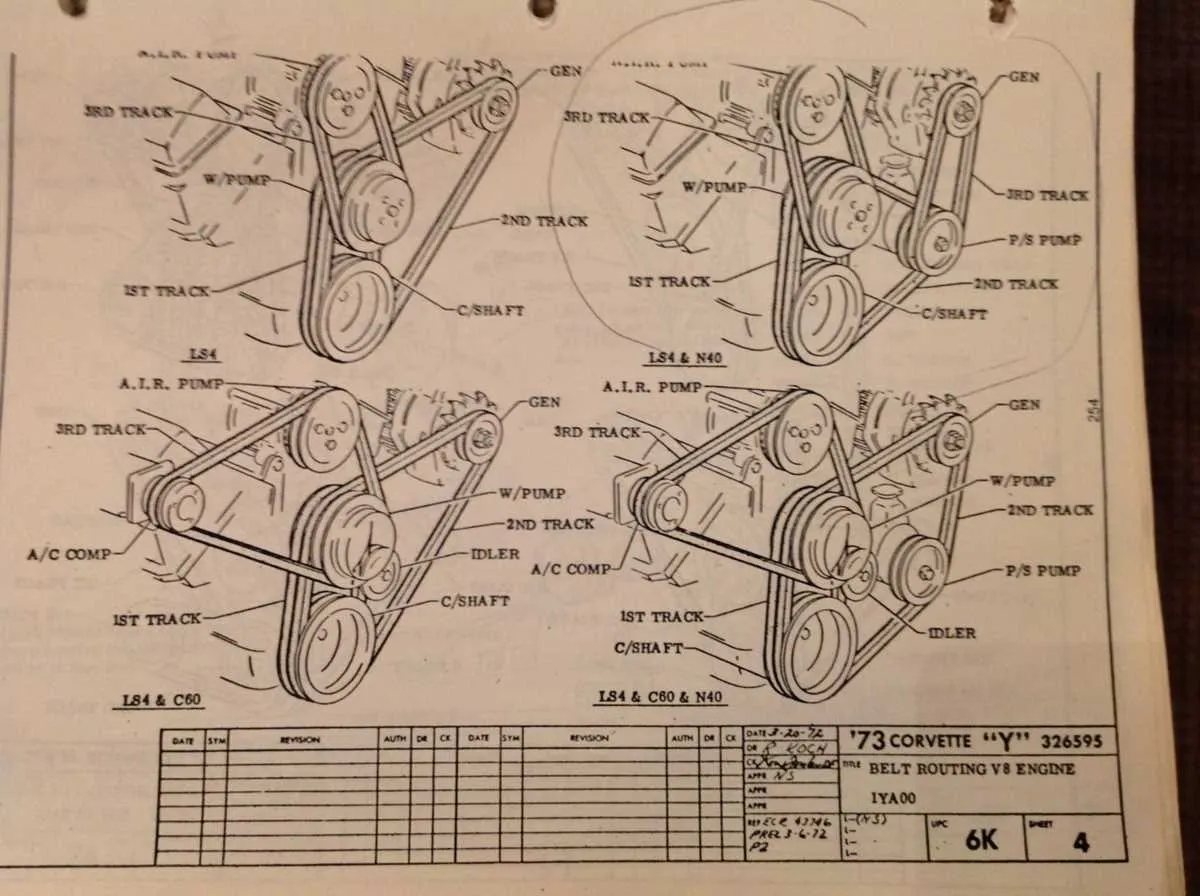
The LS serpentine belt system consists of several key components working together to drive various engine accessories. These components include the belt itself, pulleys, tensioner, and idler. Each part plays a vital role in ensuring smooth and efficient operation.
The serpentine belt is a continuous loop that transfers power from the engine’s crankshaft pulley to various accessories like the alternator, power steering pump, water pump, and air conditioning compressor. The belt’s design allows it to be routed around multiple pulleys, ensuring that the system operates in a compact and effective manner.
Pulleys guide the belt around the engine accessories. They are mounted on the shafts of each accessory, and their position ensures that the belt remains taut and properly aligned. Some pulleys are grooved to grip the belt, while others are smooth to reduce friction.
The tensioner is a spring-loaded component that keeps the serpentine belt tight. It automatically adjusts the belt’s tension to compensate for any slack that may develop over time. A well-functioning tensioner prevents the belt from slipping or becoming too loose, which could lead to damage or inefficient operation of engine components.
Idler pulleys are non-driven pulleys used to maintain the proper routing of the belt. They provide additional support and help in guiding the belt through the system, especially when the belt has to navigate around tight corners or multiple accessories.
Regular inspection and maintenance of these components ensure the serpentine belt system functions smoothly. If any part shows signs of wear or damage, it’s essential to replace them promptly to prevent further issues with the engine’s performance.
How to Properly Route the LS Serpentine Belt
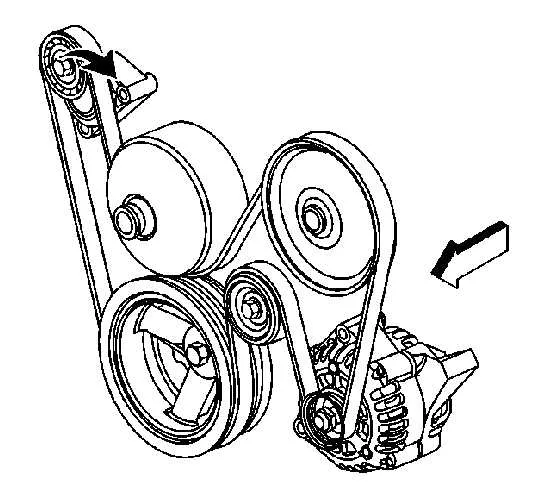
Start by locating the belt routing diagram, typically found on the engine bay or in the owner’s manual. This diagram shows the exact path the serpentine belt must follow. Ensure the engine is off and the key is removed before you begin.
First, release the tension on the belt using the tensioner pulley. This can be done by using a ratchet or breaker bar on the tensioner arm. Once the tension is relieved, remove the belt from the pulleys. It’s essential to follow the diagram carefully when installing the new belt to ensure it fits perfectly around each component.
Route the new belt around the alternator, power steering pump, water pump, and air conditioning compressor, depending on your LS engine configuration. Pay attention to the routing around the crankshaft pulley and idler pulleys. The belt should sit tightly in the grooves of each pulley without slipping or binding.
Once the belt is in place, slowly release the tensioner to apply tension to the belt. Verify the belt is seated correctly on all pulleys. If the belt does not align correctly or is too tight, readjust its placement. Ensure there are no twists in the belt, and it runs smoothly across all pulleys.
Finally, double-check the belt tension. The LS serpentine belt should have a firm tension, but it should not be overly tight. Start the engine and observe the belt’s operation for any signs of slipping or misalignment.
Troubleshooting Common Issues with LS Serpentine Belts
If your LS serpentine belt is slipping, check the tensioner. A worn or weak tensioner can fail to maintain proper tension, causing the belt to slip. Replace the tensioner if it shows signs of wear or damage.
Excessive noise from the serpentine belt often indicates misalignment. Inspect the pulleys for wear and make sure they are aligned correctly. Misalignment can also be caused by a bent pulley or improper installation of the belt.
A squealing or screeching sound typically occurs when the belt is too loose. Tighten the tensioner or replace the belt if it’s stretched or damaged. In some cases, the belt may become glazed, which reduces friction and causes noise. If glazing is present, replace the belt immediately.
Cracking or fraying on the belt surface is a sign of age and wear. Replace the belt as soon as you notice these signs, as a worn belt is more likely to break, leading to more severe engine damage.
Inspecting the pulleys for grooves or excessive wear is necessary when troubleshooting a slipping or damaged belt. Damaged pulleys can cause premature belt failure, so replace any faulty pulleys before installing a new belt.
If the belt is slipping despite proper tension, the issue may lie with the pulley system. Over time, pulleys can become worn or damaged, leading to uneven movement and belt slippage. Ensure all pulleys rotate smoothly and replace any that show signs of wear.
In some cases, a foreign object lodged in the belt path can cause damage. Check for any debris or obstructions that might interfere with the belt’s movement and remove them immediately.
Finally, always ensure the correct belt routing according to the manufacturer’s diagram. A misrouted belt can cause improper tension, premature wear, and poor engine performance.