Detailed Diagram of a Belt Conveyor System
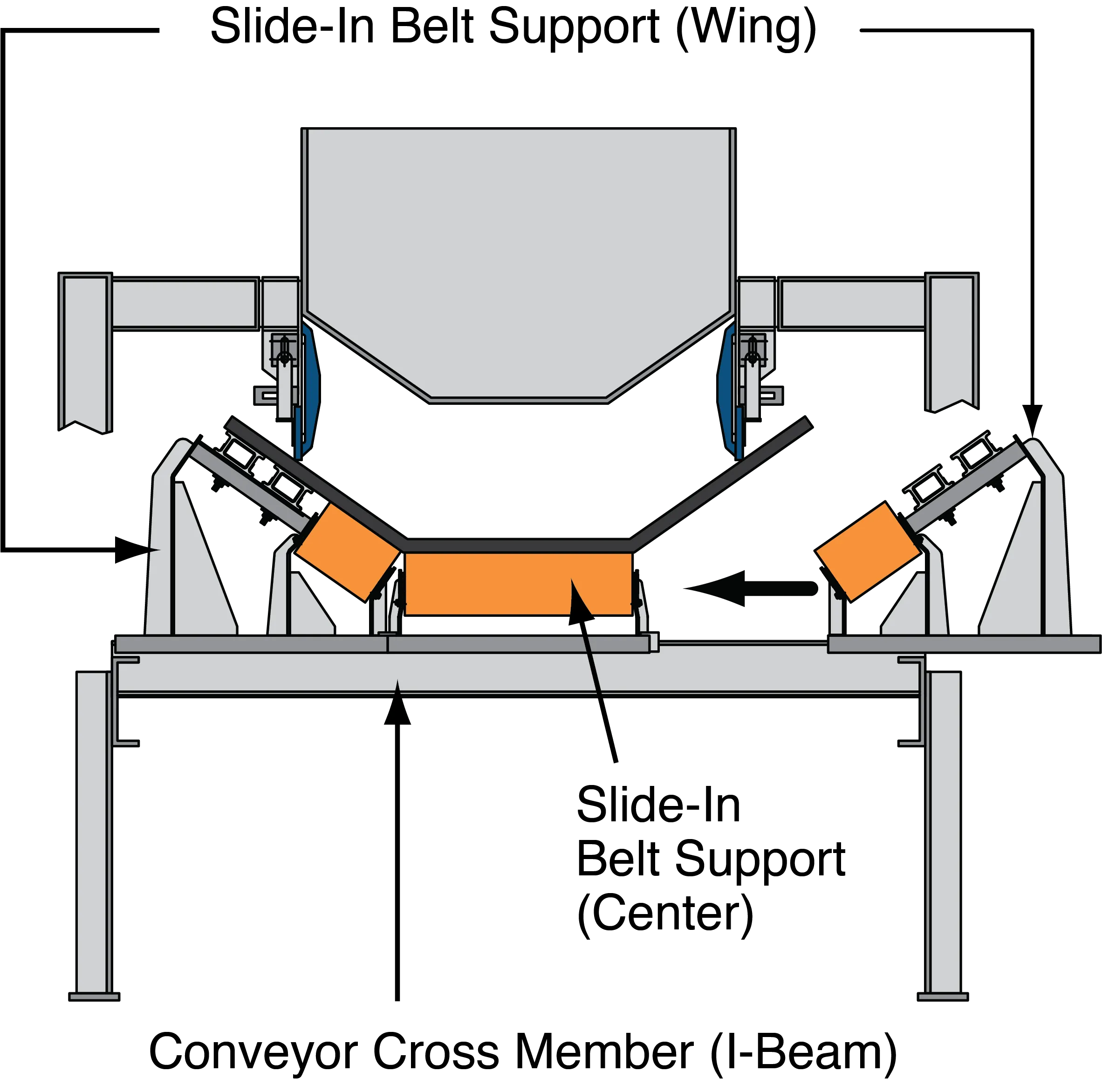
Understanding the layout of a belt conveyor system is crucial for proper design and operation. A clear and accurate diagram allows engineers to visualize the system’s components and flow, helping in troubleshooting and optimizing performance. The diagram typically includes components such as the conveyor belt, rollers, pulleys, motors, and support structures.
Ensure the correct alignment of the conveyor belt to prevent tracking issues and reduce wear on components. The rollers, especially the idlers, play a significant role in maintaining the belt’s path. It is important to place the pulleys at precise locations to guide the belt effectively. Regular maintenance checks and system inspections are vital for identifying and fixing potential issues before they cause downtime.
Pay attention to the dimensions and scale of the diagram to ensure that the conveyor system fits the available space. A well-detailed diagram helps in selecting the correct belt type, width, and material for specific transport needs. Be sure to check the motor specifications and their placement, as they directly affect the system’s speed and efficiency.
Diagram of Belt Conveyor
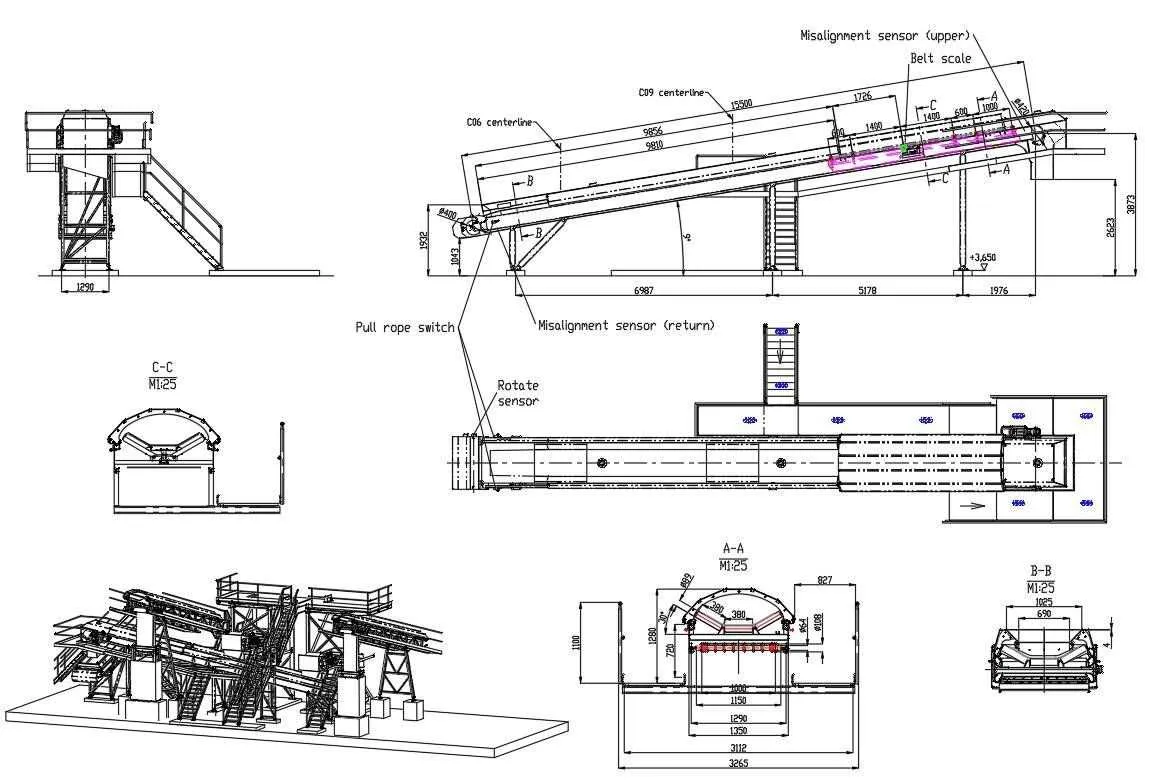
A belt conveyor diagram typically showcases the key components involved in the operation of the system. It is designed to provide a clear view of the conveyor’s structure, including the belt, pulleys, motors, and other mechanical elements.
In the diagram, you will find the following components:
- Belt: The continuous loop that transports materials. It can be made of various materials, such as rubber or metal, depending on the material being conveyed.
- Pulleys: These are used to guide the belt around its path. The drive pulley moves the belt, while the return pulley helps in returning the belt to the starting point.
- Motor: The motor drives the system, ensuring continuous movement of the belt. It is usually placed at the end of the conveyor system.
- Idlers: These rollers support the belt and help maintain its tension as it moves along the conveyor system.
- Drive System: Includes the motor, gearbox, and drive pulley, which work together to move the belt efficiently.
Each of these components plays a critical role in ensuring the belt conveyor functions smoothly and efficiently. The diagram helps identify how these parts interact with one another, offering a deeper understanding of the overall system.
To properly maintain a belt conveyor system, it is important to regularly check the alignment of the belt, inspect pulleys for wear, and ensure the motor is functioning at optimal performance. Regularly reviewing the diagram can help identify potential issues before they affect the system.
How to Read and Interpret a Belt Conveyor Diagram
To read a belt conveyor diagram, begin by identifying the main components: the conveyor belt, pulleys, and motors. These elements are typically represented with simple shapes like rectangles and circles. Look for arrows indicating the direction of belt movement. These arrows are crucial for understanding the operational flow.
Next, locate the drive system. This is often indicated by a motor symbol connected to the drive pulley. The motor’s placement on the diagram tells you whether the system is driven from the head, tail, or center of the conveyor. Understanding this will help you assess how the belt is powered and where potential issues may arise.
Check the idler placement along the conveyor path. Idlers are represented by small circles or triangles and support the belt, reducing sag and ensuring smooth motion. Their spacing is important, as too wide a gap can lead to belt misalignment.
Understand the loading and unloading points. These are typically marked with labeled areas or symbols showing where materials enter and exit the system. Pay attention to the type of materials indicated, as this can affect the conveyor’s design and maintenance needs.
Lastly, look for any safety features or warning signs. These are often marked with caution symbols and provide key insights into the system’s safety measures. Recognizing these will help ensure proper operation and maintenance.
Key Components of a Belt Conveyor System
The belt conveyor system consists of several key components that work together to ensure smooth operation. These components include the conveyor belt, idlers, pulleys, motors, and frame.
Conveyor Belt: The conveyor belt is the main element that transports materials along the system. It is made of durable materials, typically rubber or synthetic polymers, to withstand wear and environmental conditions.
Idlers: Idlers are cylindrical rollers that support the belt and help reduce friction. They are located along the length of the conveyor and are vital for maintaining proper belt alignment and tension.
Pulleys: Pulleys are used to guide and direct the belt. The head pulley drives the belt, while the tail pulley allows the belt to return. Proper pulley design is important for ensuring that the belt moves smoothly and efficiently.
Motors: The motor provides the necessary power to drive the belt. Electric motors are commonly used, and they are usually connected to the head pulley via a gear or belt system. Variable speed motors allow for precise control over the conveyor’s speed.
Frame: The frame supports the entire conveyor system, ensuring stability and structural integrity. It is often made from steel or aluminum and is designed to handle the weight of the belt and materials being transported.
Common Issues in Belt Conveyor Diagrams and Solutions
Misleading component labels often confuse users, especially when components like rollers or pulleys are not clearly marked. Ensure each part of the diagram is properly labeled with precise terminology to avoid misinterpretation. Use standard symbols and consistent color schemes for better clarity.
Overcomplicated diagrams can make it difficult to understand the layout of the conveyor system. Simplify the diagram by focusing only on key components and relationships. Avoid unnecessary details that do not contribute to the core understanding of the system.
Omitting important components such as sensors or controllers is another common mistake. Ensure that all functional parts of the system are included, as they directly impact the operation and maintenance processes. Double-check that every component that plays a role in the conveyor’s function is present in the diagram.
Inconsistent scale representation can lead to inaccurate assessments. Stick to a consistent scale throughout the diagram to ensure that all components are proportionally represented. This will help in both analyzing the diagram and troubleshooting potential issues in the actual system.
Incorrect flow direction indicators may mislead operators and technicians. Always clearly indicate the direction of material flow using arrows. This is critical for understanding how materials are transported and for identifying potential disruptions in the flow.
Overlooking maintenance access points in diagrams is a common error. Include clear markings for maintenance access to all critical parts, such as the motor, conveyor belt, and pulleys. This will assist technicians in efficiently performing maintenance tasks without confusion.