Bmw E46 Belt Diagram with Pulley Layout and Serpentine Routing for Maintenance
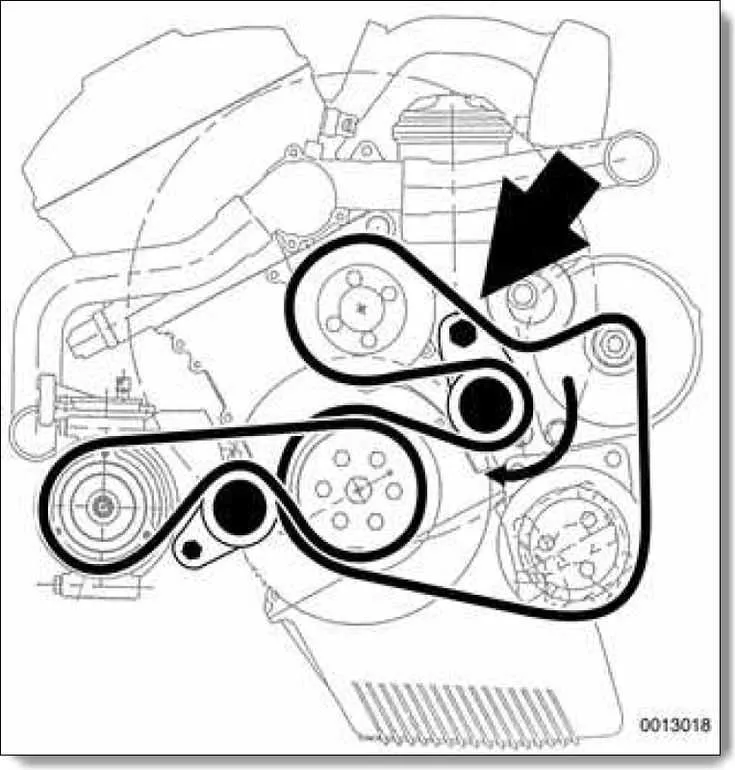
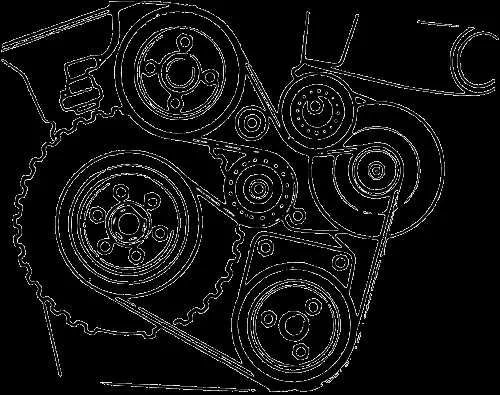
Identifying Serpentine Belt Routing for Different Engine Types
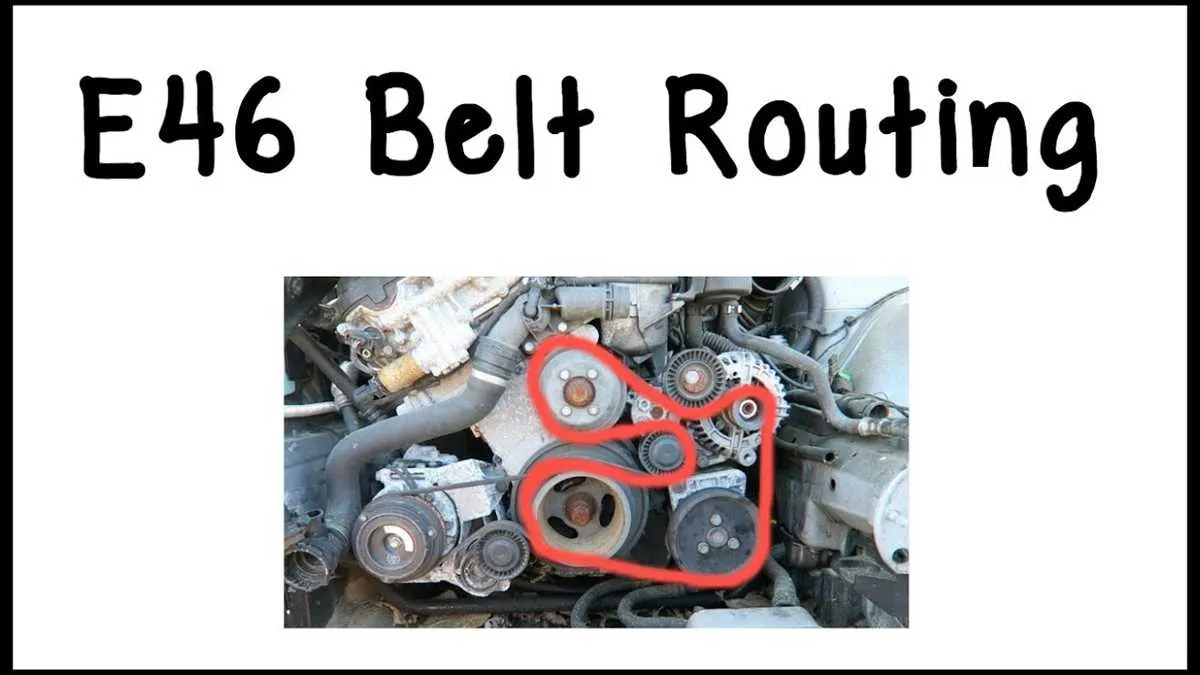
Check the belt routing diagram stamped on the engine cover or located in the engine bay before replacing the serpentine belt. BMW E46 models use multiple engine configurations, including M43, M44, M52, M54, and the high-performance S54, each requiring a specific routing pattern. For four-cylinder engines like M43 and M44, the belt passes the alternator, water pump, and power steering pulley in a simple triangular layout. Six-cylinder engines M52 and M54 include an additional tensioner and idler pulley, forming a more complex serpentine path around the crankshaft, alternator, water pump, power steering, and air conditioning compressor.
Use the printed diagram or the vehicle’s service manual to match the pulleys accurately. Align the belt with the pulley grooves, ensuring the ribbed side contacts all grooved pulleys, while the smooth side contacts the smooth pulleys. Tighten the tensioner after routing to maintain proper tension, avoiding slippage or premature wear. For the S54 engine, note that the belt routing differs because it drives both the water pump and alternator via separate pulleys with dual tensioners, so following the exact schematic is mandatory.
Mark the routing path with a chalk line or take a photo before removing the old belt. Verify that all pulleys spin freely and the tensioner moves smoothly. After installation, rotate the crankshaft by hand two full turns to confirm the belt seats correctly without interference or misalignment.
Keeping an accurate diagram on hand for your specific engine prevents installation errors and ensures consistent performance. BMW E46 engines differ enough that assuming a universal belt path can lead to damage or operational issues.
How to Locate Tensioner and Idler Pulleys on the Diagram
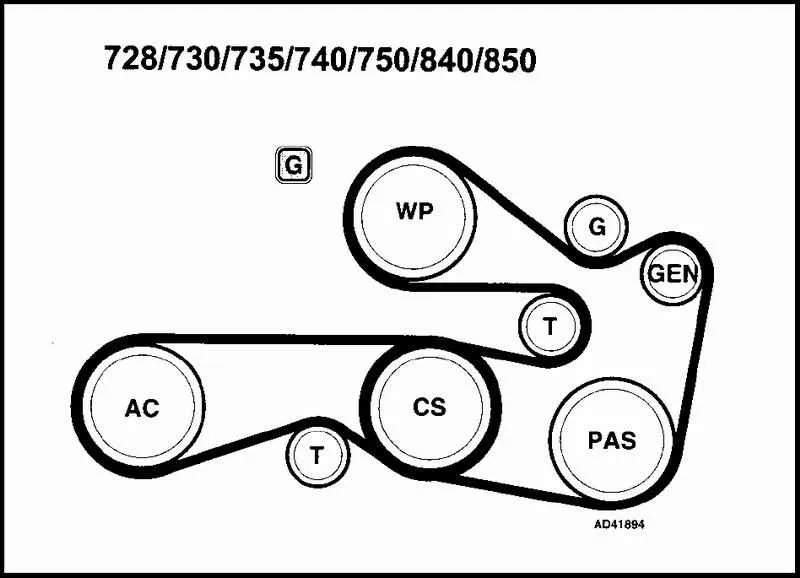
Identify the tensioner pulley on the belt diagram by looking for the component connected to a spring-loaded arm, typically positioned near the alternator or crankshaft. It maintains proper belt tension, so its symbol usually indicates adjustability.
Locate idler pulleys by finding circular elements that guide the belt without driving any accessory. They are often placed between the crankshaft, water pump, and power steering pulleys to ensure the belt follows a smooth path.
Trace the belt path from the crankshaft pulley and note every contact point. Tensioners generally appear at a corner where the belt changes direction sharply, while idlers fill intermediate spaces to prevent slack.
Check the diagram legend for labels such as T for tensioner and I for idler. Cross-reference these symbols with the belt routing illustration to confirm each pulley’s location and orientation.
When marking the diagram for maintenance or replacement, highlight the tensioner with a distinct color and label idlers separately. This visual distinction simplifies identifying which pulleys require adjustment or inspection during service.
Steps to Read and Apply the Belt Diagram During Replacement
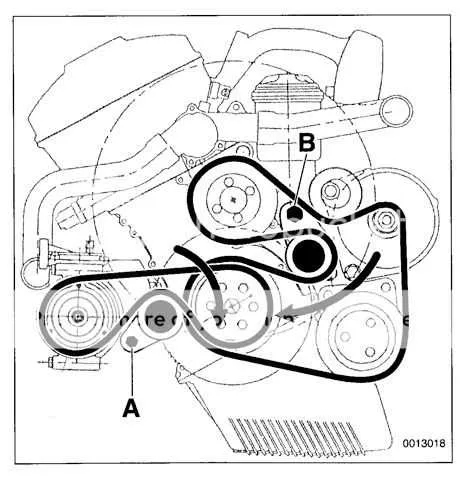
Locate the belt diagram on the engine cover or inside the owner’s manual. Verify it matches your specific E46 engine variant, as routing differs between M43, M52, and M54 engines.
Identify each component labeled on the diagram: alternator, water pump, power steering pump, crankshaft pulley, and tensioner. Trace the path visually and compare it with the physical pulleys to confirm alignment.
Release tension using the belt tensioner tool or ratchet. Keep track of the tensioner’s position to restore proper tension after the new belt is in place. Avoid letting the tensioner snap back uncontrolled.
Position the new belt according to the diagram. Start with the crankshaft pulley and route around larger, fixed pulleys first. Leave the tensioner pulley for last to allow easier installation.
Double-check each loop against the diagram before applying tension. Ensure the belt sits fully in each pulley groove without twisting or overlapping.
Apply tension gradually, observing the belt settle into position. Rotate the crankshaft by hand for two full revolutions and inspect the belt path to confirm correct installation and alignment.
Inspect for proper tension and smooth contact on all pulleys. Listen for any rubbing or misalignment noises during the first engine start and adjust if necessary.