Belt Sander Parts Diagram for Maintenance and Repairs
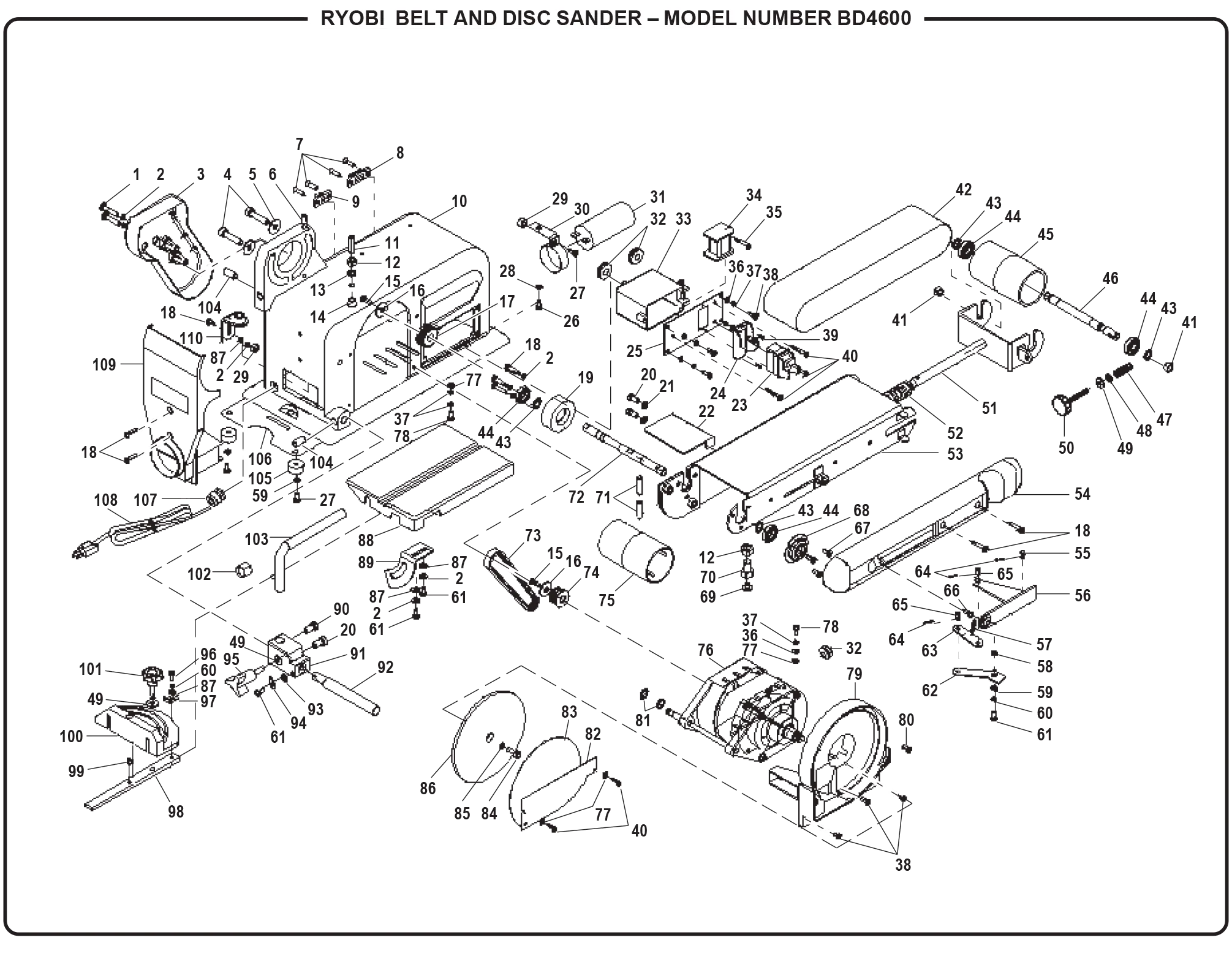
Understanding the parts of a belt sander is key for proper maintenance and efficient operation. Start by identifying the main components: the motor, sanding belt, idler pulley, and drive roller. Each of these parts plays a crucial role in ensuring smooth sanding performance. If one part fails, the whole sander’s functionality can be affected.
The motor is the powerhouse of the sander, responsible for driving the belt. Pay attention to the belt’s alignment with the motor’s drive mechanism. Misalignment can lead to uneven sanding or excessive wear on the belt. The drive roller transfers power from the motor to the belt, while the idler pulley keeps the belt tensioned and in place. Regularly check these parts for signs of wear, especially the drive roller and the idler pulley.
To maintain optimal performance, ensure the sanding belt is properly installed and aligned. Regularly clean and replace the belt as needed to avoid overloading the motor. Keep the air vents on the motor clean to prevent overheating, which can damage the sander. Following this simple routine will help extend the life of your tool and improve your sanding results.
Belt Sander Parts Diagram
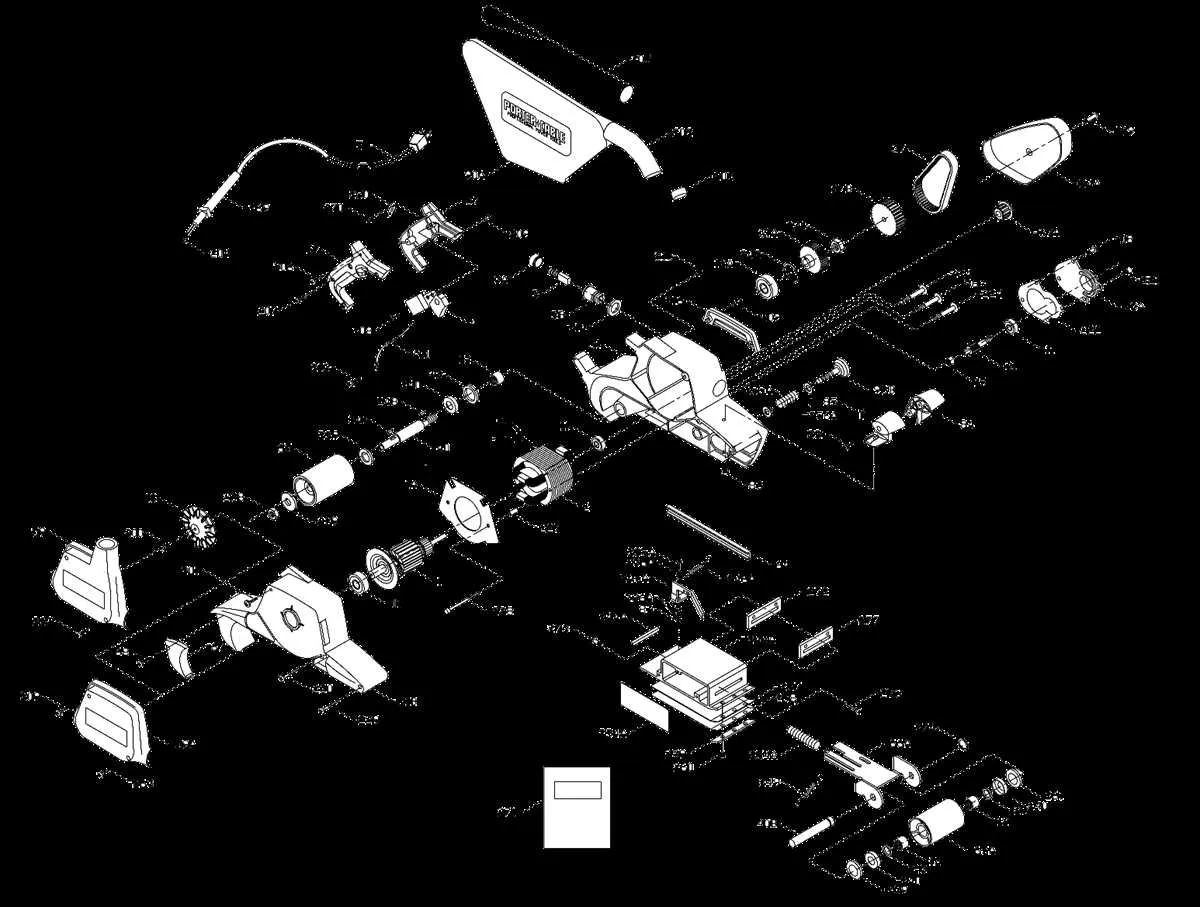
The diagram of a belt sander typically includes several key components that ensure smooth operation. Start by identifying the motor, which provides the power to move the sanding belt. The motor connects to a drive pulley that turns the belt. It’s essential to inspect both the motor and the drive pulley regularly for wear and damage.
Next, the sanding belt itself plays a crucial role in sanding surfaces. It wraps around two rollers–one at the front and one at the rear. The tension of the belt is managed by an adjustable tension knob or lever, which ensures the belt stays taut during use. Check the belt for any signs of fraying or misalignment, which can lead to uneven sanding or damage to the machine.
Another important part is the tracking adjustment. This mechanism controls the belt’s alignment on the rollers, preventing it from shifting during operation. Over time, the tracking can become misaligned, so regular adjustments are necessary to maintain optimal performance.
The belt sander also has a dust collection port, which connects to a vacuum or dust bag to reduce airborne particles. This part helps keep the workspace clean and enhances safety by minimizing dust exposure.
Lastly, the base or platen is where the sanding takes place. The material you are sanding rests on this surface, so it must be flat and free of debris to ensure smooth sanding. Inspect the base for any scratches or dents, as these can affect the finish of the material being worked on.
Identifying Key Components of a Belt Sander
The motor is the heart of the belt sander. It drives the sanding belt, powering the tool’s operation. A worn or underperforming motor can result in reduced efficiency, so check its condition regularly.
The sanding belt itself is crucial. Choose the right grit for your task. Coarser grits (e.g., 40-60) work for heavy material removal, while finer grits (e.g., 120-220) provide smoother finishes. Replace the belt if it shows signs of wear or damage.
Another key part is the tensioning mechanism. It ensures the belt remains taut for optimal performance. If the belt is too loose, it can slip, damaging both the belt and the surface you’re working on. Regularly adjust the tension according to the manufacturer’s instructions.
The platen is the flat surface the sanding belt presses against. It keeps the belt from sagging and maintains an even sanding surface. Inspect it for wear, as a damaged platen will affect sanding accuracy.
The dust collection port is often overlooked, but it plays an important role in maintaining a clean workspace. Regularly clean or replace the dust bag to prevent blockages that can lead to overheating or poor sanding results.
Lastly, the handle and the housing should be checked for stability and comfort. Any looseness or cracks in the housing can reduce control and safety, so ensure that these parts are in good condition before use.
How to Replace and Maintain Belt Sander Parts
To maintain a belt sander, start by inspecting the drive belt regularly for wear or cracks. If it appears damaged, replace it by first disconnecting the power source. Remove the dust cover and loosen the tension on the old belt. Slide it off and install the new one, ensuring it aligns correctly on the pulleys. Adjust the tension to the manufacturer’s specifications and reattach the dust cover.
Next, check the sanding belt. Over time, it can lose its abrasive quality or become clogged with dust. Replace the sanding belt when it shows signs of excessive wear. Loosen the tension, remove the old belt, and install a new one. Ensure the new belt fits tightly but not too tight, as this can cause unnecessary stress on the motor.
To extend the life of your sander’s parts, clean the motor and ventilation openings regularly. Dust buildup can cause overheating and damage. Use compressed air to blow out any debris from the motor housing and around the rollers. Check the roller bearings for smooth movement, and lubricate them if necessary. If the bearings feel rough, replace them promptly.
Lastly, inspect the tracking of the sanding belt. If the belt moves to one side, adjust the tracking mechanism to center it. Most models have an adjustment knob near the rear pulley to fine-tune the alignment. Proper belt tracking ensures even sanding and reduces unnecessary wear on the parts.
Troubleshooting Common Issues with Belt Sander Parts
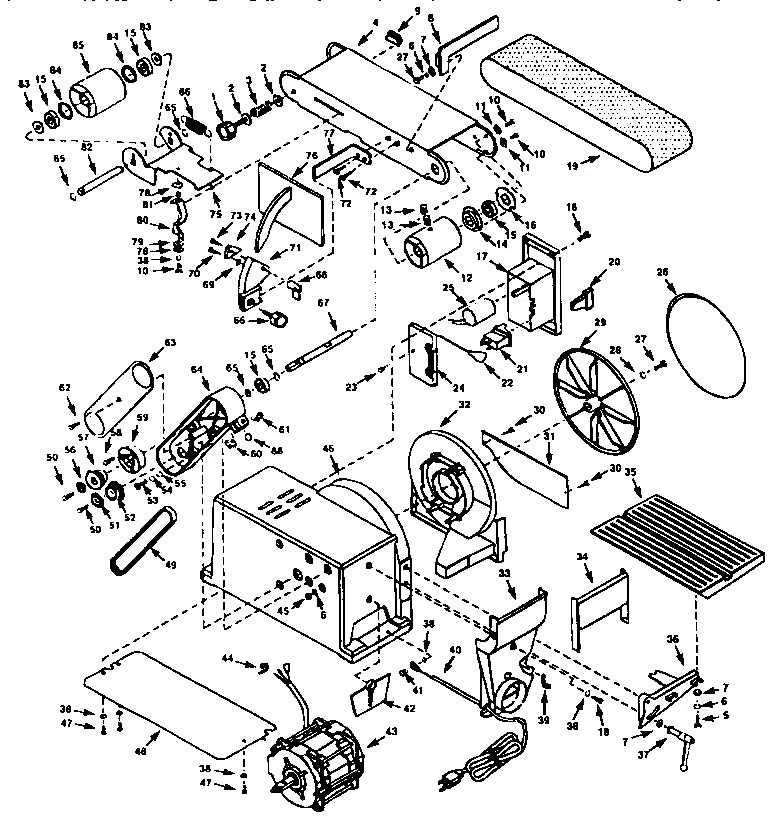
If your belt sander is malfunctioning, follow these steps to identify and fix common problems:
- Motor Not Starting: Check the power source and ensure the power switch is functioning. Inspect the motor for any visible damage or wear. If the motor is overheated, let it cool down before attempting to restart.
- Belt Slipping: A slipping belt is often caused by improper tension. Adjust the tension according to the manufacturer’s guidelines. Additionally, check for worn-out or damaged rollers and replace them if necessary.
- Belt Not Tracking Properly: If the belt moves to one side, adjust the tracking mechanism. Most sanders have a knob to align the belt. Make sure the tracking roller is clean and free from debris.
- Noisy Operation: Unusual noise can be caused by debris in the sander, a misaligned belt, or damaged bearings. Clean the parts thoroughly and inspect the bearings for wear. Replace any damaged bearings.
- Poor Sanding Performance: A dull or worn-out sanding belt will reduce performance. Replace the belt with a new one if it shows signs of wear or clogging. Check the sanding surface and ensure it is smooth and clean.
- Excessive Vibration: Vibration can result from worn-out parts, such as rollers or the sanding drum. Inspect and replace any parts that show signs of wear. Tighten any loose screws or bolts to reduce vibration.
Regular maintenance is key to prolonging the life of your belt sander. Always follow the manufacturer’s instructions for troubleshooting and maintenance.