2014 Infiniti Q50 serpentine belt diagram with routing details and component layout
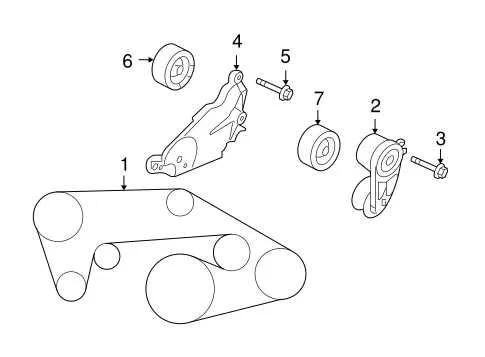
Check the belt routing diagram before replacing or adjusting the serpentine belt on the 2014 Infiniti Q50. The correct path ensures that the alternator, water pump, power steering pump, and air conditioning compressor receive proper drive from the crankshaft pulley.
The 3.7L V6 engine uses a single serpentine belt with a spring-loaded tensioner. Always release the tensioner with the right tool before removing the belt. A breaker bar or serpentine belt tool fits into the square drive of the tensioner arm, allowing you to move it counterclockwise and slip the belt off the pulleys.
After removing the old belt, inspect each pulley for wear or wobble. Replace the tensioner if the spring feels weak or the pulley shows cracks. A detailed diagram makes it easier to route the new belt correctly, reducing the chance of noise or slippage after installation.
When installing the new belt, follow the diagram step by step. Ensure the ribs sit fully inside the pulley grooves and the belt runs straight without twists. Double-check alignment before starting the engine to avoid premature wear.
2014 Infiniti Q50 Belt Diagram
Check the belt routing before starting any replacement to avoid incorrect installation. The 2014 Infiniti Q50 with a 3.7L V6 engine uses a serpentine belt that drives the alternator, water pump, power steering pump, and air conditioning compressor. The belt wraps around seven pulleys, including the crankshaft pulley at the bottom as the main drive source.
Follow the diagram printed on the radiator support or inside the hood if available. If the label is missing, sketch the current routing before removing the old belt. Begin installation at the crankshaft pulley, then route over the idler pulley, alternator, water pump, and A/C compressor. Leave the tensioner pulley for last to make fitting easier.
Use a 14mm or 15mm wrench to rotate the automatic tensioner clockwise. This releases tension so you can slide the belt into place. Confirm the belt sits fully in the grooves of each pulley, as partial seating can cause noise or premature wear.
After installation, start the engine and observe the belt for smooth operation. Any wobble, chirping noise, or visible misalignment indicates incorrect routing or a failing pulley that requires inspection. Regularly check belt condition every 15,000 miles and replace if cracks, glazing, or fraying appear.
Belt Routing Layout for 3.7L V6 Engine
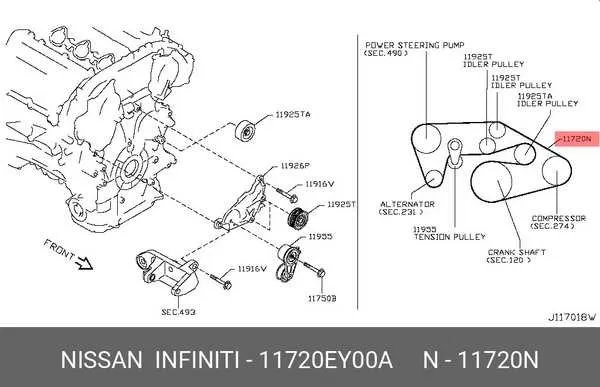
Follow the routing path by starting at the crankshaft pulley, then guide the belt over the A/C compressor, up around the alternator, and across the water pump pulley. Continue toward the power steering pump, then route it over the idler pulley, and finish by engaging the automatic tensioner.
Keep the smooth side of the belt aligned with smooth pulleys and the ribbed side seated firmly in the grooves. Confirm each rib is fully engaged before releasing the tensioner to avoid misalignment or premature wear.
Before starting the engine, rotate the crankshaft manually with a breaker bar to verify proper tracking across all pulleys. This step prevents slippage and ensures correct tension once the engine runs.
Identifying Tensioner and Pulley Positions
Locate the belt tensioner on the passenger side of the engine, slightly below the alternator. It has a spring-loaded arm with a smooth pulley that maintains belt pressure. Use a breaker bar on the square drive slot to release tension before removing the belt.
The idler pulley sits near the center of the front engine cover and has a smooth surface guiding the belt between the alternator and the power steering pump. The crankshaft pulley, positioned at the bottom, drives the entire system and features deep grooves for proper belt seating.
Above the crankshaft pulley, the alternator pulley aligns at the top left, while the power steering pump pulley mounts to the top right. The air conditioning compressor pulley is located on the lower right side, connecting directly to the crankshaft pulley through the belt.
Check each pulley for smooth rotation and absence of noise. Replace any pulley with rough bearings or wobbling movement before installing the new belt to prevent premature wear or misalignment.
Steps to Replace the Serpentine Belt
Check the belt routing diagram under the hood or prepare a sketch before removal to avoid confusion during installation.
- Disconnect the negative battery cable to prevent accidental starts.
- Locate the belt tensioner on the passenger side of the engine and use a 14mm socket or serpentine belt tool to rotate it counterclockwise.
- Slide the belt off the alternator pulley while holding the tensioner, then slowly release the tensioner back into position.
- Remove the belt completely by pulling it off the remaining pulleys. Pay attention to tight spaces near the idler pulley and crankshaft pulley.
- Compare the old belt with the new one to confirm length and rib count match.
- Route the new belt according to the diagram, ensuring ribs sit correctly in each pulley groove.
- Rotate the tensioner again and slip the belt onto the alternator pulley as the final step.
- Double-check alignment on all pulleys to avoid premature wear or noise after startup.
- Reconnect the battery and start the engine to verify smooth operation without squealing or slippage.