2009 Kia Spectra Belt Diagram and System Overview
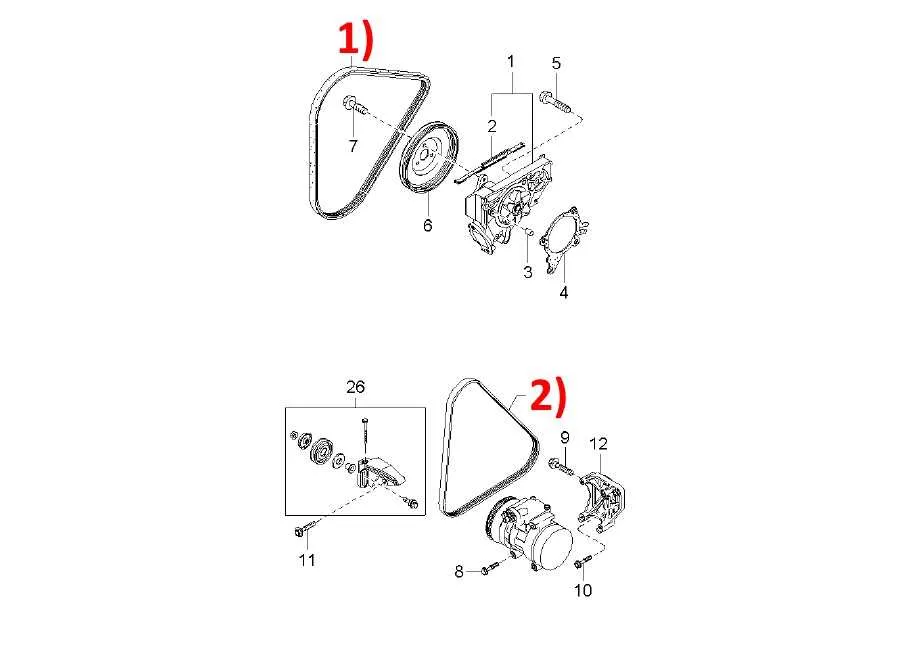
The 2009 Kia Spectra utilizes a specific belt system for smooth engine operation. Understanding the belt diagram is essential for troubleshooting and maintenance. The diagram shows how the belts interact with various components such as the alternator, air conditioning compressor, power steering pump, and water pump.
For accurate belt placement and tensioning, refer to the diagram as it outlines the correct routing for the serpentine belt. This helps prevent misalignment or premature wear. Make sure to inspect the belts regularly for signs of cracking or fraying to avoid sudden failures that could lead to engine damage.
The 2009 Kia Spectra’s system includes a single serpentine belt that drives multiple accessories. Pay attention to the routing, ensuring the belt is positioned correctly on each pulley for optimal performance. Regular checks and timely replacements will keep the engine running smoothly without unnecessary strain on other components.
2009 Kia Spectra Belt Diagram
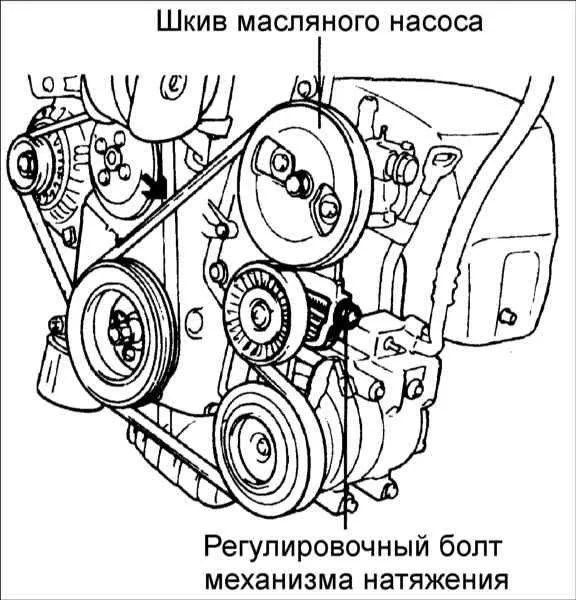
Refer to the belt diagram to correctly route the serpentine belt on the 2009 Kia Spectra. This ensures proper operation of the alternator, power steering pump, air conditioning compressor, and water pump. Follow the diagram closely during installation or replacement.
The 2009 Kia Spectra uses a single serpentine belt with a tensioner pulley to maintain proper tension. Locate the tensioner pulley at the front of the engine; releasing it allows removal or installation of the belt. Ensure the belt sits properly in each pulley groove to prevent slipping or damage.
Use this step-by-step approach when following the diagram:
- Identify all pulleys: crankshaft, alternator, power steering, A/C compressor, and tensioner.
- Route the belt according to the diagram, making sure it aligns with the correct grooves on each pulley.
- Use a wrench to rotate the tensioner and slide the belt over the tensioner pulley.
- Release the tensioner slowly to apply tension to the belt.
- Double-check the routing against the diagram before starting the engine.
Signs of misalignment or improper installation include squealing noises, slipping, or the belt coming off. Inspect the belt for cracks, fraying, or glazing before installation. Replace the belt if any wear is present.
- Keep the belt clean and free from oil or coolant contamination.
- Replace the belt approximately every 60,000 miles or according to the manufacturer’s recommendation.
- Check pulley alignment to prevent uneven wear.
Following the 2009 Kia Spectra belt diagram ensures smooth operation of all accessory systems and prevents premature belt failure. Use the diagram as a reference each time you service the belt or related components.
How to Identify the Correct Belt Layout for the 2009 Kia Spectra
Locate the engine’s front cover and identify the serpentine belt path diagram usually printed on a sticker near the radiator or on the underside of the hood. This diagram shows the routing for the alternator, power steering pump, air conditioning compressor, and crankshaft pulley.
Compare the sticker diagram with the actual pulleys. Ensure the belt wraps around each component exactly as indicated, paying close attention to the tensioner position and direction of the belt grooves.
If the sticker is missing or unreadable, consult the vehicle’s service manual for the precise belt routing. Cross-check pulley sizes and positions to verify the correct path for the serpentine belt.
Inspect the belt type and length, as the 2009 Kia Spectra may use different belts depending on engine options (e.g., 2.0L vs. 2.4L). Using the proper part number ensures proper fit and prevents premature wear or slippage.
Mark the pulleys with chalk or tape before removing the old belt to avoid confusion. When installing the new belt, route it around the pulleys following the diagram, then release the tensioner slowly to apply proper tension. Rotate the engine by hand to confirm smooth movement and correct alignment.
Step-by-Step Guide for Replacing the Serpentine Belt on a 2009 Kia Spectra
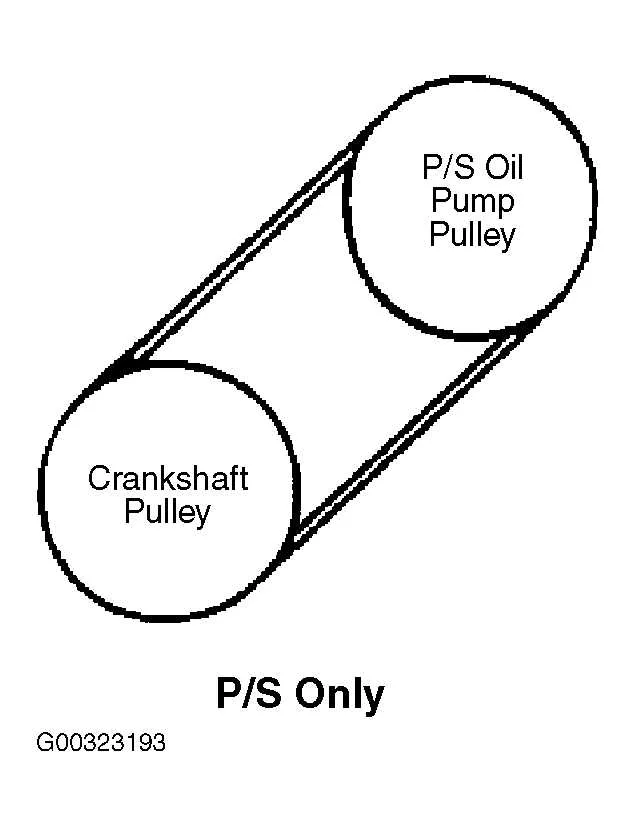
Locate the serpentine belt tensioner: Open the hood and identify the tensioner on the front of the engine. The tensioner is a spring-loaded pulley that maintains proper belt tension. Use a wrench or socket to rotate the tensioner clockwise and relieve pressure on the belt.
Remove the old belt: While holding the tensioner, slide the belt off the pulleys. Carefully release the tensioner back to its resting position. Inspect all pulleys for wear or damage, including the idler and alternator pulleys.
Compare the new belt: Lay the new serpentine belt next to the old one to confirm the correct length and rib pattern. The belt should match exactly in width, length, and number of ribs.
Route the new belt: Follow the belt routing diagram located on the radiator support or inside the engine bay. Begin with the crankshaft pulley, then loop around the alternator, water pump, power steering, and A/C pulleys as shown. Leave the tensioner pulley for last.
Install the belt onto the tensioner: Rotate the tensioner again to create slack, then slide the belt over the tensioner pulley. Slowly release the tensioner, ensuring the belt seats correctly on all pulley grooves.
Check alignment and tension: Verify that the belt is fully seated on each pulley and aligned straight. Start the engine for a few seconds and observe the belt in motion. It should run smoothly without slipping, squealing, or misalignment.
Final inspection: Turn off the engine and recheck the belt routing. Confirm that all tools are removed and pulleys spin freely. Ensure no rubbing occurs against engine components.
Troubleshooting Common Issues with the 2009 Kia Spectra Belt System
Inspect the serpentine belt for visible cracks, fraying, or glazing. These signs indicate the belt needs replacement immediately. Use a flashlight to check the entire length, focusing on areas around pulleys and tensioners.
Listen for squealing noises when the engine is running. A high-pitched squeal often signals belt slippage caused by improper tension or worn pulleys. Adjust the tensioner or replace it if it cannot maintain proper pressure on the belt.
Check alignment of all pulleys. Misaligned pulleys create uneven wear on the belt and can damage bearings. Use a straightedge across the pulley faces to ensure alignment and replace any bent or damaged pulleys.
Inspect the belt for contamination from oil or coolant. Fluids reduce friction and cause the belt to slip or degrade. Clean pulleys thoroughly and replace the belt if it has absorbed any fluid.
Examine the automatic tensioner for smooth operation. A failing tensioner may produce noise, allow belt slack, or wear unevenly. Compress the tensioner manually to verify it moves freely and returns to its original position.
Replace any idler pulleys that exhibit wobble or rough rotation. Faulty pulleys can create noise, belt misrouting, and premature belt failure. Spin each pulley by hand to detect resistance or grinding.
After any adjustments or replacements, run the engine briefly and observe the belt’s path. Confirm it tracks correctly on all pulleys without slipping or rubbing. Recheck tension after the engine has warmed up to account for thermal expansion.