2008 Kia Sedona Serpentine Belt Routing and Diagram Guide
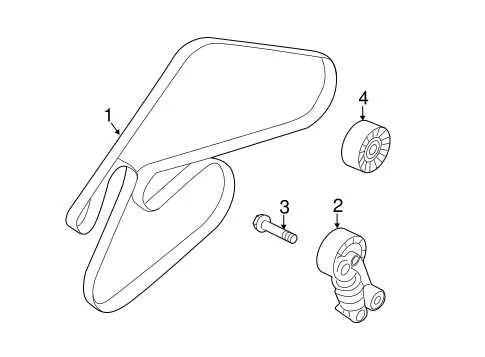
The serpentine belt on the 2008 Kia Sedona is responsible for driving several engine components like the alternator, power steering pump, and air conditioning compressor. To prevent unnecessary wear or damage, it’s crucial to follow the correct routing when installing a new serpentine belt. The diagram below will guide you through the correct path and alignment of the serpentine belt, ensuring all components function smoothly.
For a quick reference, start by locating the tensioner pulley, which is key for adjusting the belt’s tightness. The belt needs to loop around the crankshaft pulley first, then proceed around the various components in a specific order. The correct belt routing prevents slipping and ensures longevity. A clear understanding of how each component interacts with the belt helps in timely replacements or troubleshooting issues like squeaking or poor engine performance.
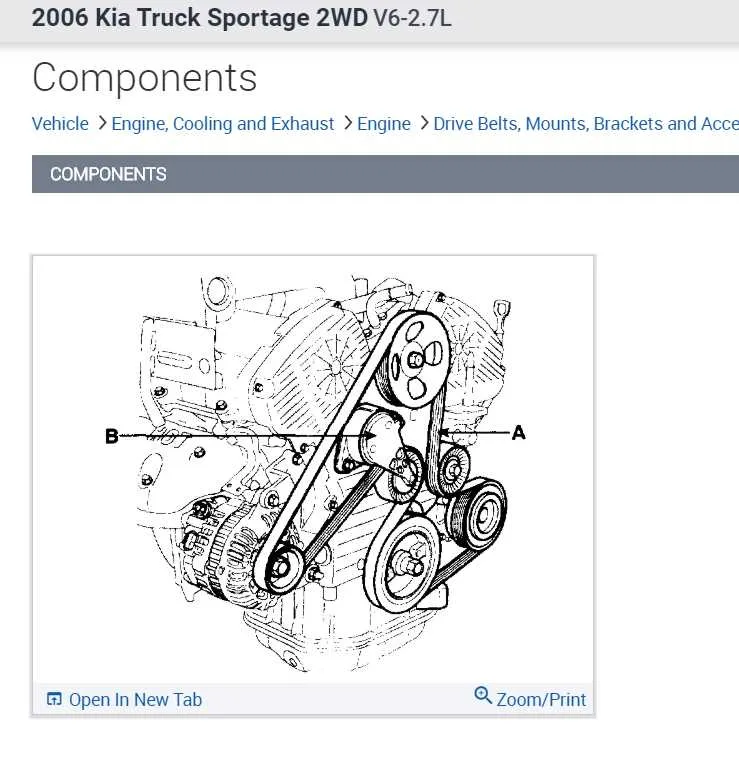
Below is the detailed serpentine belt diagram for the 2008 Kia Sedona, which will show you how to route the belt around the pulleys. This will be particularly helpful when performing maintenance or repairs yourself, and it can save you time when inspecting the belt for signs of wear or misalignment.
2008 Kia Sedona Serpentine Belt Diagram
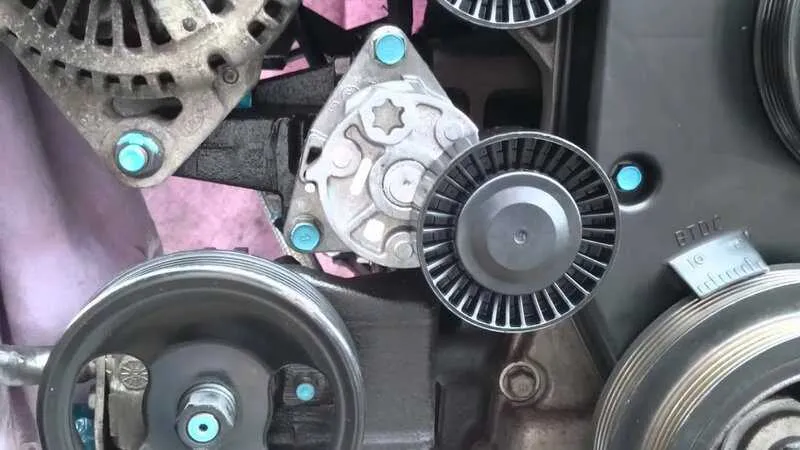
If you’re working on replacing or inspecting the serpentine belt in your 2008 Kia Sedona, it’s important to follow the proper routing to avoid any issues with your vehicle’s accessories. Below is the diagram to help you understand how the serpentine belt should be installed on the 2008 Kia Sedona.
The serpentine belt is responsible for driving essential components such as the alternator, air conditioning compressor, power steering pump, and water pump. Ensuring the belt follows the correct path is key to proper engine performance and to prevent belt failure.
The serpentine belt routing on the 2008 Kia Sedona can be found by first locating the crankshaft pulley, which is at the bottom of the engine. The belt moves from the crankshaft pulley around the idler pulley, tensioner pulley, power steering pump, alternator, and the AC compressor in a specific order.
Here’s a general guideline to follow:
- Start at the crankshaft pulley: Loop the belt over the crankshaft pulley.
- Move towards the tensioner pulley: The belt should go under the tensioner pulley, passing above the idler pulley.
- Route the belt to the power steering pump: From the tensioner pulley, lead the belt around the power steering pump pulley.
- Alternator and AC compressor: Follow the belt to the alternator and then to the AC compressor. Ensure the belt is properly positioned around each pulley.
Always double-check the routing of the serpentine belt with the diagram before tightening the tensioner. If you’re unsure about the tension, consult your vehicle manual for the proper specifications to prevent excess wear on the belt.
For a more accurate fit and to ensure longevity, consider replacing the serpentine belt at recommended intervals, as stated in the maintenance schedule for your vehicle.
How to Identify the Serpentine Belt Routing on 2008 Kia Sedona
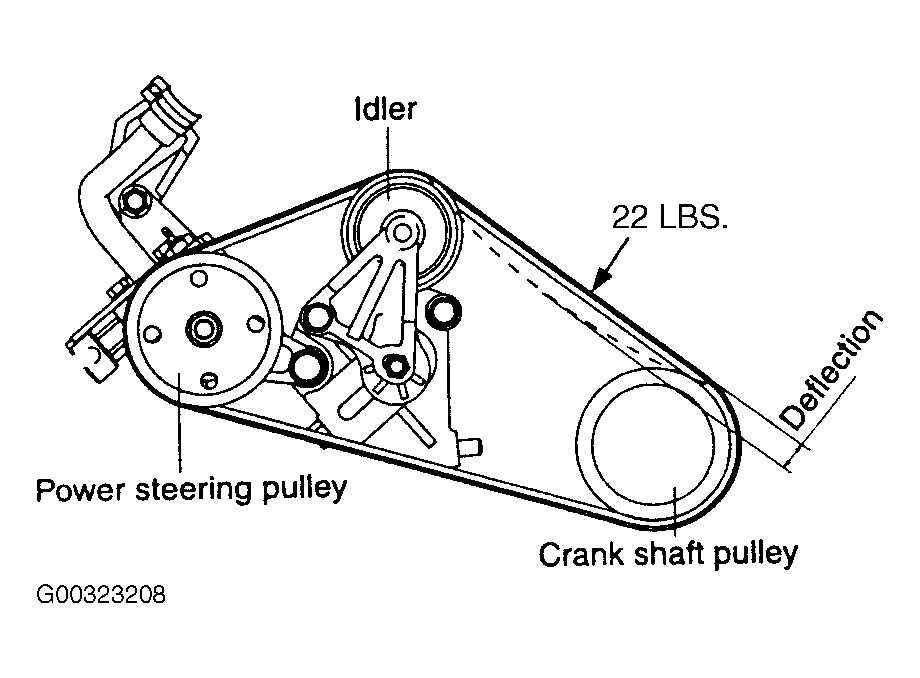
To identify the serpentine belt routing on a 2008 Kia Sedona, start by locating the belt diagram. This is often found on a sticker near the engine compartment, typically on the front of the radiator support or the hood. If the diagram is missing, refer to the vehicle’s manual for details on the correct routing.
Begin by identifying the components the belt drives: the alternator, power steering pump, air conditioning compressor, and the water pump. The belt should run through these components, ensuring each pulley is aligned correctly. The tensioner pulley, usually located near the bottom or side of the engine, keeps the belt tight. The belt routes around the tensioner and idler pulleys, then follows a clear path to each driven component.
If you need to replace the belt or check its condition, remember to follow the routing exactly as shown in the diagram. Misrouting can lead to belt slippage or damage. Make sure the belt sits securely on each pulley with no slack and that the tensioner is properly engaged. If you’re unsure, seek professional help to avoid unnecessary damage.
Common Issues with the Serpentine Belt and Their Symptoms
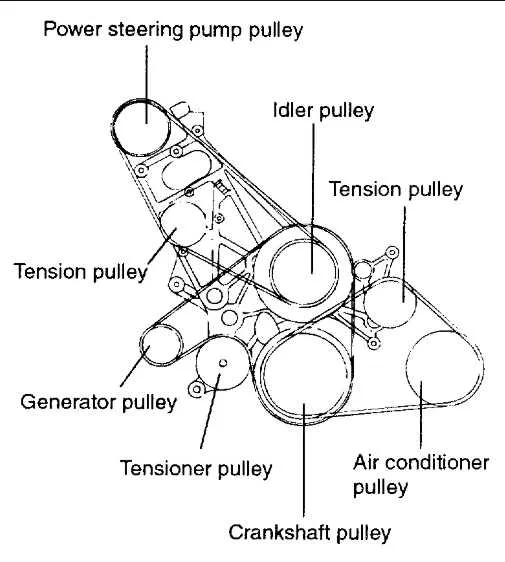
If your serpentine belt is slipping, it could be due to wear or misalignment. The most common symptoms include unusual squeaking noises, especially when starting the engine. Check for visible cracks or fraying along the belt as they indicate imminent failure.
Another issue is belt tension. If the belt feels loose or you hear a rattling sound from the engine compartment, the tensioner might be worn out. In this case, the belt won’t remain tight enough to drive the accessories, leading to power loss for components like the alternator and power steering pump.
If the belt is too tight, it can cause excessive wear on other components, such as the alternator or water pump bearings. Tightening issues often result from a malfunctioning tensioner, which fails to maintain proper tension.
- Squealing noise: A common sign of a loose or worn-out belt.
- Power loss: Reduced engine performance or failure of accessories like power steering or air conditioning.
- Visible damage: Cracks, fraying, or chunks missing from the belt.
- Overheating: If the water pump stops functioning properly due to belt issues.
When the serpentine belt starts to show signs of wear or damage, replacing it sooner rather than later will prevent more serious engine problems. A quick inspection of the belt’s condition can save you time and money in repairs.
Step-by-Step Guide to Replacing the Serpentine Belt on 2008 Kia Sedona
1. Gather Necessary Tools: Before starting, make sure you have the right tools: a socket wrench, a serpentine belt tool or a breaker bar, and a replacement belt. Consult the vehicle’s manual for the correct belt size.
2. Locate the Serpentine Belt: Open the hood and locate the serpentine belt. It runs around the engine components like the alternator, power steering pump, and air conditioning compressor.
3. Identify the Tensioner Pulley: The tensioner keeps the belt tight. Find it–it’s usually a small pulley with a spring-loaded mechanism that applies tension to the belt.
4. Relieve Tension: Use the serpentine belt tool or a breaker bar to rotate the tensioner pulley counterclockwise. This will release the tension on the belt, allowing you to remove it.
5. Remove the Old Belt: With the tension released, carefully remove the serpentine belt from the pulleys. Make a note of its routing before you take it off, as this will help you install the new belt correctly.
6. Compare the New Belt: Place the old and new belts side by side. Ensure the new belt matches the old one in length, width, and shape. Any discrepancy can cause damage to the engine components.
7. Install the New Belt: Route the new belt over the pulleys following the same path as the old one. Make sure it sits properly on each pulley, especially on the grooves. Be cautious not to force the belt onto any pulleys.
8. Reapply Tension: Rotate the tensioner pulley again with the tool, allowing the tensioner to apply the correct tension to the belt. Ensure the belt is tight and secure on all pulleys.
9. Inspect the Installation: Double-check the routing and positioning of the belt. It should be aligned with each pulley groove and not twisted or out of place.
10. Test the Engine: Start the engine and observe the belt in operation. Make sure it runs smoothly and there are no unusual noises or signs of slippage.