Jeep TJ 4.0 Serpentine Belt Diagram and Installation Guide
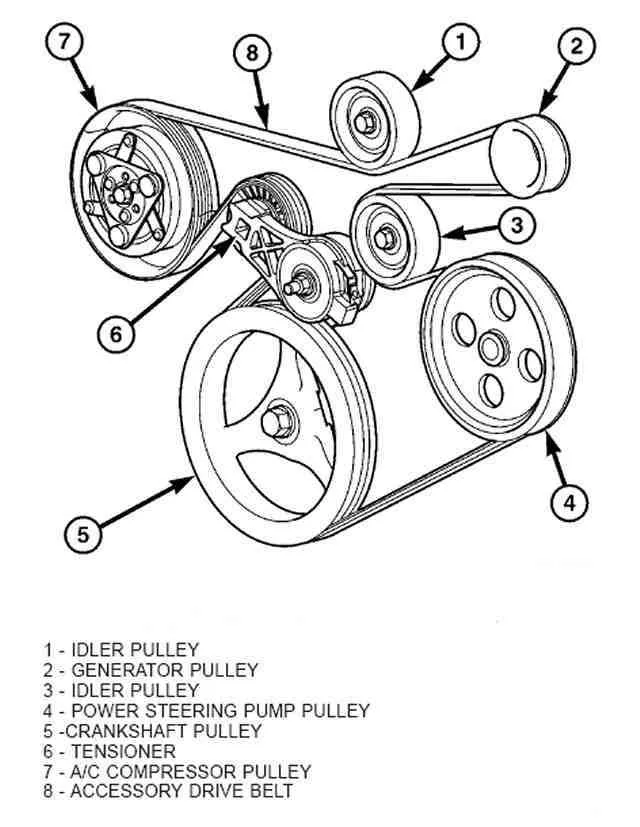
Understanding the serpentine belt layout on your Jeep TJ 4.0 is key to maintaining a smooth running engine. The diagram illustrates how the serpentine belt connects multiple components, including the alternator, power steering pump, air conditioning compressor, and water pump. It’s crucial to follow the correct routing to prevent belt slippage or premature wear.
Proper belt tension is critical for optimal performance. Over time, belts can stretch or wear out, leading to reduced efficiency and possible damage to other engine parts. Regularly inspect the belt for cracks, fraying, or signs of wear. If you notice any issues, it’s best to replace the belt immediately to avoid more serious problems.
Refer to the Jeep TJ 4.0 belt diagram for the correct path. The diagram shows the exact routing around each pulley and component. This will help you identify if the belt is properly aligned or if any parts need adjustment. Understanding this diagram also allows you to troubleshoot belt-related issues and plan maintenance accordingly.
Jeep TJ 4.0 Serpentine Belt Diagram
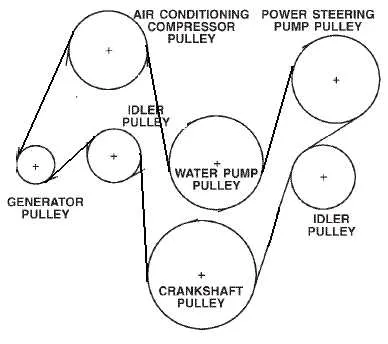
The serpentine belt system in the Jeep TJ 4.0 is a crucial component that drives various accessories, including the alternator, power steering pump, and air conditioning compressor. Knowing how to properly route the serpentine belt ensures all these components function correctly.
To correctly install the serpentine belt, start by identifying the main components of the system:
- Alternator – Provides power to the battery and electrical system.
- Power Steering Pump – Facilitates easier steering by circulating fluid.
- Air Conditioning Compressor – Helps in cooling the cabin of the vehicle.
- Crankshaft Pulley – The main drive pulley that powers the belt system.
- Idler Pulley – Maintains tension and keeps the belt in proper alignment.
- Tensioner Pulley – Keeps the serpentine belt tight and maintains proper tension.
For a proper belt routing on the Jeep TJ 4.0, follow this step-by-step guide:
- Locate the tensioner pulley. Use a wrench to rotate it counterclockwise, releasing tension from the belt.
- Remove the old serpentine belt by carefully sliding it off all pulleys.
- Install the new serpentine belt, ensuring it loops around the crankshaft pulley, alternator, power steering pump, and the air conditioning compressor.
- Ensure the belt is properly seated in all pulleys and runs smoothly across the idler and tensioner pulleys.
- Release the tensioner pulley to apply the required tension to the new belt.
- Check the alignment to confirm the belt is correctly routed and securely in place.
Consult the official diagram for a clear representation of the exact belt routing for your Jeep TJ 4.0 model. This will help you avoid mistakes and ensure the system operates smoothly. Regular inspection and timely replacement of the serpentine belt will keep the vehicle’s accessories running without issue.
Understanding the Routing of the Serpentine Belt on Jeep TJ 4.0
The serpentine belt on the Jeep TJ 4.0 follows a precise route to drive essential engine components such as the alternator, power steering pump, and air conditioning compressor. Start by locating the belt tensioner on the driver’s side of the engine, near the front. The tensioner helps maintain the necessary belt tightness. The belt wraps around the crankshaft pulley, then moves upwards, engaging the water pump, followed by the alternator and power steering pump. It continues along the air conditioning compressor, ensuring it stays properly aligned through the routing system.
The belt’s path should maintain a consistent alignment with all pulleys to prevent slippage or wear. Double-check the routing diagram specific to your vehicle for accuracy. If the serpentine belt is incorrectly routed, it can lead to performance issues or component damage. Ensure the belt is correctly positioned over each pulley groove and that it remains taut to avoid unnecessary strain on the engine components.
Regularly inspect the belt for any signs of damage, such as cracking, fraying, or glazing. A worn-out or incorrectly routed belt can cause multiple issues, including overheating or power steering failure. Replacing the belt as recommended in the maintenance schedule will ensure the engine operates smoothly and efficiently.
Identifying Common Issues with the Serpentine Belt System
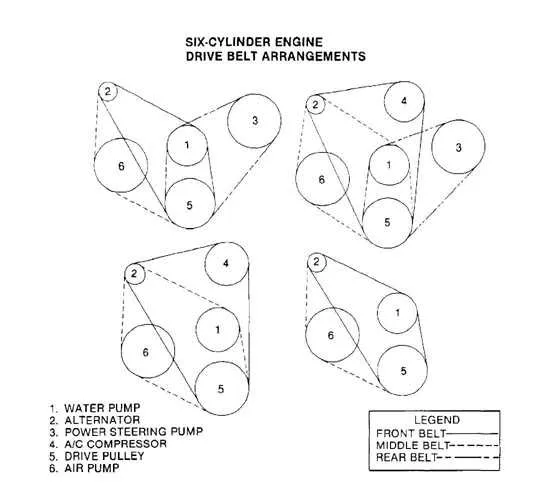
Check for visible wear or cracks on the serpentine belt. Any fraying, glazing, or damage to the belt can indicate the need for replacement. Worn belts may also slip, causing poor performance of the accessories driven by the belt.
Listen for unusual squealing or chirping noises from the belt area. These sounds may occur if the belt is slipping due to improper tension or pulley misalignment. Inspect the tensioner for proper function as it helps maintain the right belt tension.
Examine the pulleys for damage, corrosion, or uneven wear. A misaligned or seized pulley can cause the belt to wear prematurely. Ensure that each pulley spins freely without resistance.
If the belt is loose, inspect the tensioner and serpentine belt system for any malfunction. A faulty tensioner or worn-out spring can result in insufficient tension, allowing the belt to slip.
Check for any signs of fluid leakage from surrounding components, such as the power steering pump or alternator. Leaks can contaminate the belt, making it slippery and reducing its grip on pulleys.
Perform regular belt inspections at scheduled intervals to avoid sudden failures that could compromise engine performance or accessory operation. Replacing the belt before it shows signs of significant wear can prevent costly repairs.
Step-by-Step Guide to Replacing the Serpentine Belt on Jeep TJ 4.0
To replace the serpentine belt on a Jeep TJ 4.0, follow these steps carefully to ensure proper installation and function.
1. Prepare the Necessary Tools and Parts
Gather a 15mm socket wrench, serpentine belt tool or breaker bar, and a replacement serpentine belt compatible with the 4.0 engine. Having a flashlight handy helps with visibility in tight spaces.
2. Locate the Serpentine Belt
Open the hood and locate the serpentine belt running across the front of the engine. Identify all the pulleys and components it connects to, including the alternator, power steering pump, and AC compressor.
3. Release Tension on the Serpentine Belt
Using the serpentine belt tool, rotate the tensioner pulley counterclockwise to relieve tension on the belt. This will loosen the belt enough to remove it. Be cautious, as the tensioner is spring-loaded.
4. Remove the Old Serpentine Belt
Once the tension is released, slide the old belt off the pulleys, carefully guiding it out of the engine bay. Take note of the belt routing for later reference when installing the new belt.
5. Install the New Serpentine Belt
Position the new belt around the pulleys, following the belt routing diagram for your Jeep TJ 4.0. Make sure the belt sits properly in the grooves of each pulley.
6. Apply Tension to the Belt
Rotate the tensioner pulley again to apply tension to the new belt. The belt should fit snugly on all pulleys without slack. Double-check that it is aligned correctly on each pulley.
7. Inspect the Installation
Before closing the hood, check the belt for proper alignment and tension. Make sure it runs smoothly across all pulleys. If everything looks correct, start the engine and verify that the belt operates without noise or slipping.
8. Clean Up
Dispose of the old belt and clean up any tools or debris. Test drive the Jeep to confirm that all components are functioning properly.