2014 Jeep Wrangler Serpentine Belt Diagram and Installation Guide
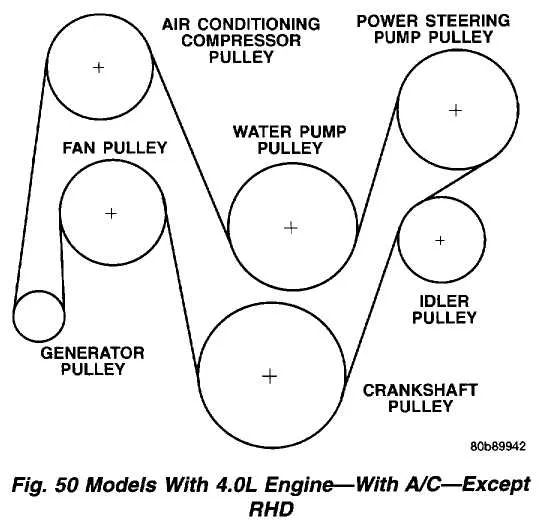
To replace or inspect the serpentine belt on your 2014 Jeep Wrangler, follow this diagram for accurate routing. It’s crucial to make sure the belt is aligned properly to avoid engine damage or belt wear. The serpentine belt runs across several components including the alternator, power steering pump, water pump, and the air conditioning compressor.
Step 1: Start with the tensioner pulley. This pulley helps maintain the right amount of tension on the belt. Use a wrench to rotate the tensioner clockwise to relieve the tension and remove the belt.
Step 2: Notice the direction the belt travels. The diagram for the 2014 Jeep Wrangler shows the exact path, which includes the power steering pump located on the driver’s side and the alternator near the top. Pay close attention to the routing around the crankshaft and water pump.
Step 3: Before installing the new belt, inspect all pulleys for any wear or damage. Check that the tensioner pulley is operating smoothly and replace if needed.
Step 4: Once the new serpentine belt is installed, rotate the tensioner pulley back into position to apply the correct tension. Start the engine and check that the belt is running smoothly and quietly without any squealing or slipping.
2014 Jeep Wrangler Serpentine Belt Diagram
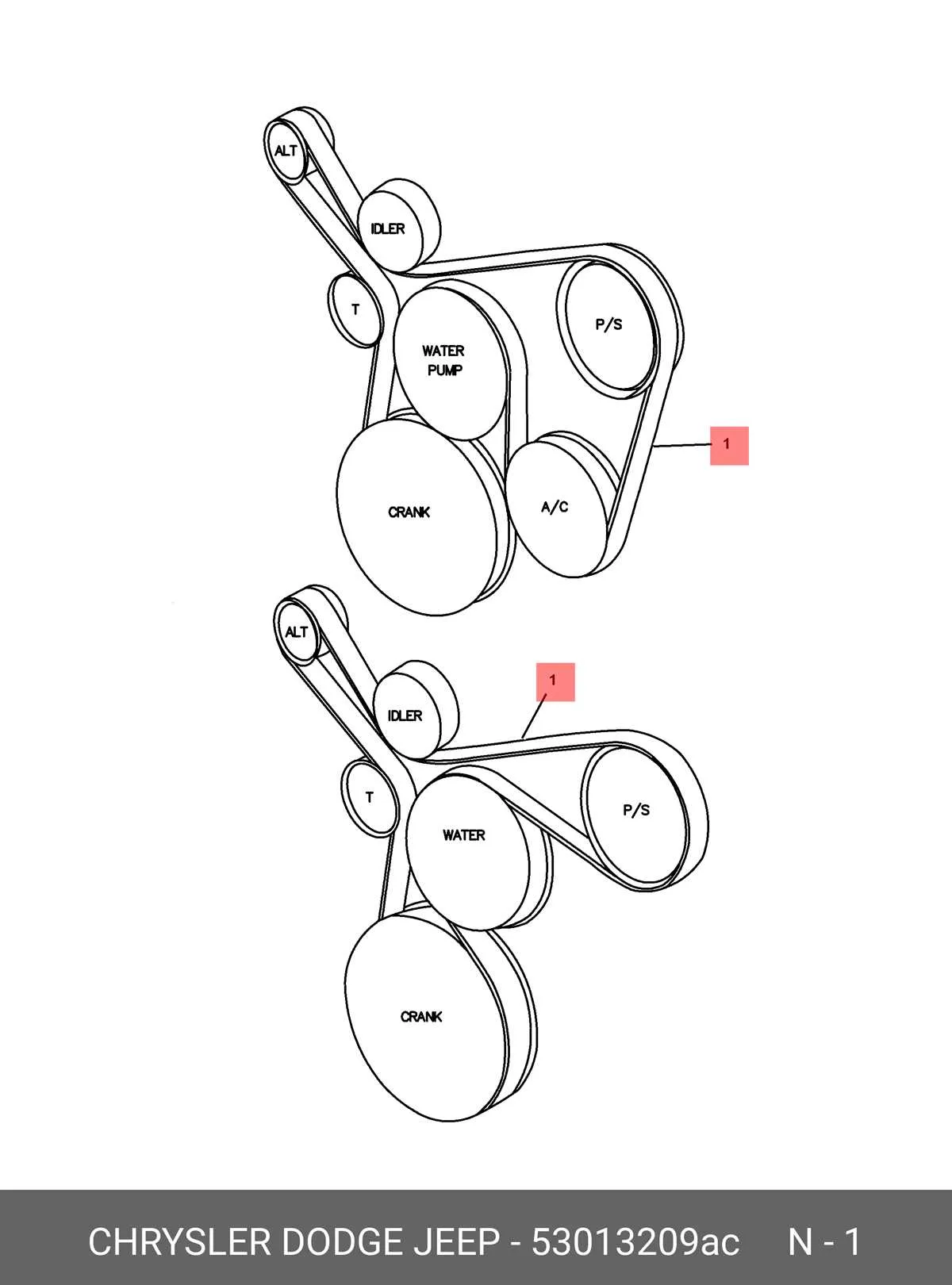
Check the diagram for the 2014 Jeep Wrangler serpentine belt for proper routing before starting any maintenance. Ensure the belt follows the path shown to avoid misalignment and damage to components.
To start, the belt routes around the crankshaft pulley, moving toward the water pump pulley. From there, it loops up to the power steering pump and alternator pulleys. After that, it runs across the idler pulley and goes around the tensioner pulley, completing the circuit. Make sure the belt is tensioned properly to avoid slipping or excessive wear.
If replacing the serpentine belt, double-check the belt’s length and make sure it fits tightly on the pulleys. When tensioning the belt, use the recommended tool to avoid damaging the tensioner. You should also inspect each pulley for any wear or obstruction that could cause the belt to wear unevenly.
For clarity, consider using a belt diagram printed on the engine compartment, or consult the owner’s manual for an accurate diagram to follow.
How to Read the Serpentine Belt Diagram for 2014 Jeep Wrangler
The serpentine belt diagram for the 2014 Jeep Wrangler provides a clear map of how the serpentine belt routes around various components in the engine. Start by locating the diagram, which is typically found on the radiator support or near the front of the engine bay. This diagram shows the belt’s path over pulleys, tensioners, and accessory components like the alternator, power steering pump, and air conditioning compressor.
Pay attention to the direction of the belt’s movement, often indicated by arrows. The diagram may also label the pulleys, such as the idler pulley and tensioner, which keep the belt under the correct tension. This helps in understanding how the belt interacts with each component and assists when replacing or inspecting it for wear and tear.
Always compare the diagram with the actual engine setup to ensure the belt’s path matches the one shown. The tensioner should move smoothly, and the belt should sit snugly on the pulleys. If the diagram shows a path that’s unclear or seems incorrect, it’s a good idea to refer to a repair manual or consult with a mechanic to verify the proper routing.
Step-by-Step Guide to Replacing the Serpentine Belt on 2014 Jeep Wrangler
1. Prepare Your Tools and Workspace: Before you start, gather all the necessary tools: a 3/8-inch drive ratchet, a serpentine belt tool or a suitable socket wrench, and a new serpentine belt for your 2014 Jeep Wrangler. Make sure the vehicle is on level ground, the engine is cool, and the parking brake is engaged.
2. Locate the Serpentine Belt Routing Diagram: The diagram for your serpentine belt is usually located near the front of the engine bay. It will show the proper routing of the belt around pulleys. Make sure to check this before you begin removing the old belt.
3. Release Tension from the Serpentine Belt: Use the serpentine belt tensioner tool to relieve tension on the old belt. Insert the tool into the tensioner pulley and rotate it in the direction that loosens the belt. This will allow you to easily slide the belt off the pulleys.
4. Remove the Old Serpentine Belt: Once the tension is released, carefully remove the old serpentine belt from the pulleys. Make sure to remember the routing of the belt, as it will be important when installing the new one.
5. Inspect Pulley Condition: Before installing the new serpentine belt, check all the pulleys for wear, damage, or misalignment. If any pulley is damaged or loose, replace or tighten it as needed.
6. Install the New Serpentine Belt: Starting with the tensioner pulley, thread the new serpentine belt around the pulleys according to the routing diagram. Ensure the belt sits properly in all grooves. Double-check that the belt is correctly aligned before releasing the tension on the tensioner pulley.
7. Reapply Tension: Once the belt is in place, use the tensioner tool to apply tension to the new belt. Ensure that the belt is tight but not over-stretched. The tensioner pulley should remain in a proper position once the belt is secured.
8. Double-Check the Belt: Rotate the engine by hand using a wrench on the crankshaft pulley. This will help you confirm that the serpentine belt is running smoothly around all pulleys. If you hear any unusual noises or notice any slippage, recheck the tension and routing.
9. Final Check: Start the engine and visually inspect the new serpentine belt while the engine is running. Make sure it moves freely and that there are no unusual sounds. If everything looks good, you’re done!
Common Issues and Troubleshooting the Serpentine Belt System in 2014 Jeep Wrangler
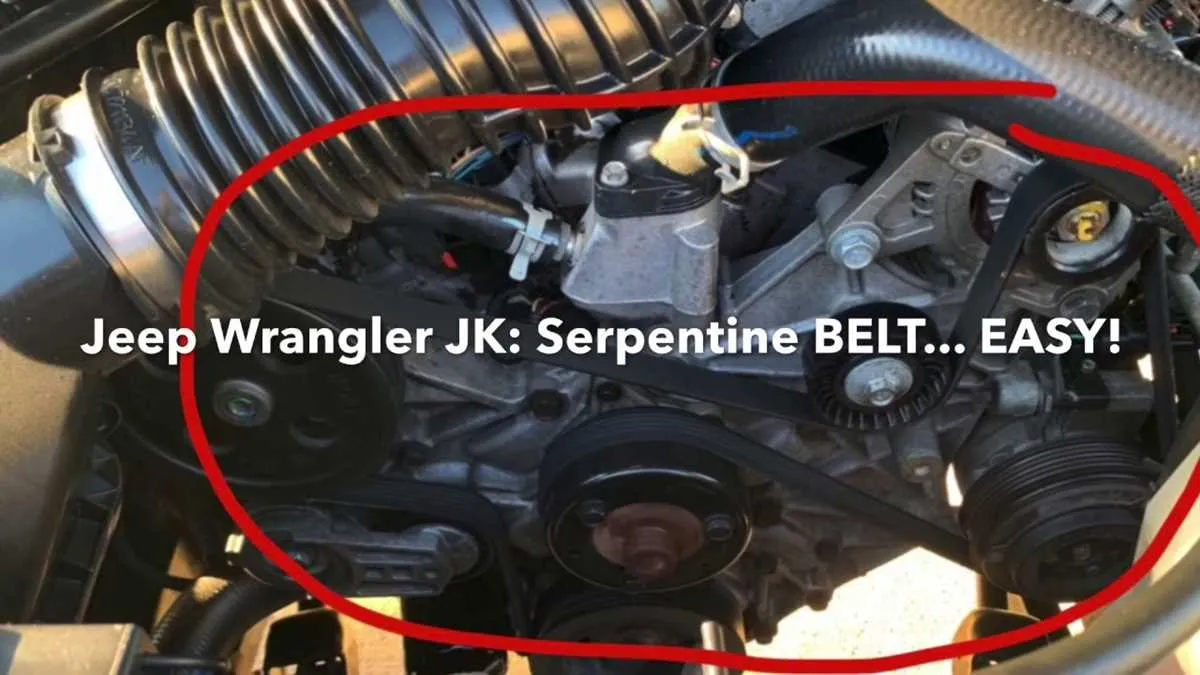
Check the serpentine belt for wear or cracks at least once a year. If you notice any fraying or damage, replace the belt immediately to prevent further damage to other engine components. Common signs of a failing serpentine belt include squealing noises, overheating, or the battery light turning on.
- Squealing Noises: A high-pitched squeal, especially when starting the engine or during acceleration, often indicates a loose or worn-out belt. Inspect the belt tensioner and adjust it if necessary.
- Overheating: If the belt is slipping, it can cause the alternator and water pump to malfunction, leading to engine overheating. Check for proper tension and replace any worn pulleys.
- Battery Light: A glowing battery light on your dashboard may signal that the alternator is not charging properly due to belt slippage or a broken belt. Inspect the belt for damage or tension issues.
Another frequent issue is a misaligned belt. This can occur if the pulleys or the tensioner are worn or damaged. In such cases, check for any misalignment by observing the belt’s movement as it runs over the pulleys. If you see the belt moving off-center or making irregular motions, inspect the pulleys for wear and replace them if necessary.
In some cases, the tensioner can wear out or fail, leading to inconsistent belt tension. A malfunctioning tensioner will cause the belt to become too loose or too tight. Listen for any rattling sounds coming from the area of the tensioner and check for any excessive movement when applying pressure. If the tensioner is faulty, replace it immediately.
If you’re unsure about the condition of the serpentine belt system, perform a visual inspection of the belt while the engine is off. Look for any cracks, frays, or glazed surfaces. Ensure the belt is properly seated on all pulleys. If you notice any issues, address them immediately to avoid further damage.
- Common Troubleshooting Steps:
- Inspect the serpentine belt for visible damage.
- Check belt tension and adjust if necessary.
- Ensure all pulleys and the tensioner are functioning correctly.
- If the belt is misaligned, check pulley positions and replace damaged pulleys.
By staying on top of these common issues and performing regular inspections, you can extend the life of the serpentine belt and prevent unexpected breakdowns on the road.