2012 Jeep Wrangler Serpentine Belt Diagram and Routing Guide
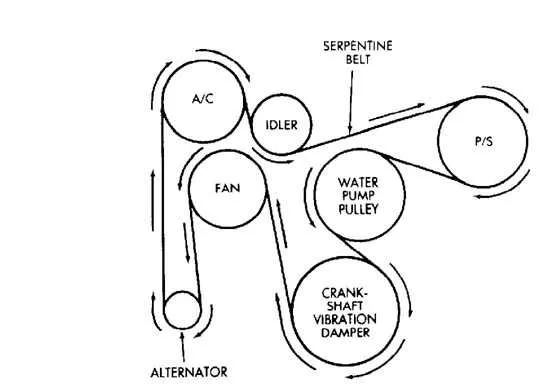
2012 Jeep Wrangler Serpentine Belt Diagram
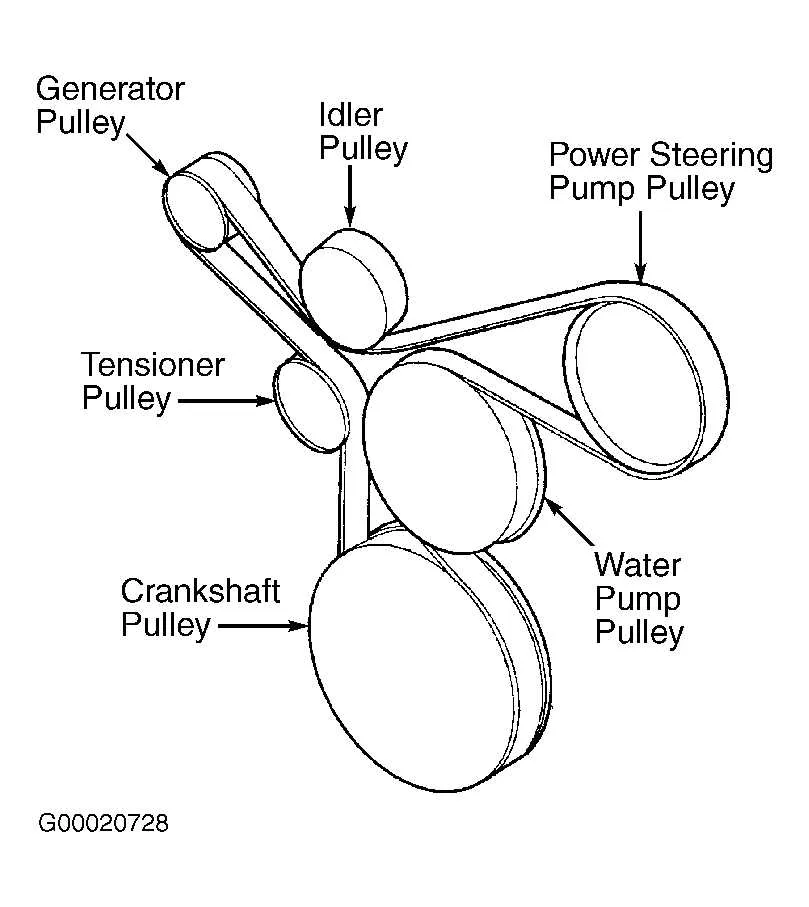
The serpentine belt in the 2012 Jeep Wrangler plays a critical role in driving multiple accessories such as the alternator, air conditioning compressor, and power steering pump. It is essential to follow the correct routing when replacing or inspecting the belt to avoid damage and ensure proper functionality of these components.
For the 2012 Jeep Wrangler, the serpentine belt routing is designed for efficiency. Start by ensuring the belt is aligned with the crankshaft pulley, then route it through the alternator, power steering pump, and air conditioning compressor. Make sure the tensioner pulley is in the correct position to maintain the necessary belt tension. Double-check that the belt fits snugly around all pulleys to avoid slippage or premature wear.
If you are replacing the serpentine belt, it’s recommended to inspect the belt tensioner and pulleys for wear. A worn-out tensioner can lead to improper belt tension, causing noise or a malfunction. If the belt has visible cracks or fraying, replacing it immediately will prevent future issues and avoid more significant repairs down the line.
Refer to the vehicle’s owner’s manual for detailed specifications regarding the correct belt length and installation procedure. This ensures you use the right replacement part and that the belt is routed as intended by the manufacturer.
How to Locate the Serpentine Belt on a 2012 Jeep Wrangler
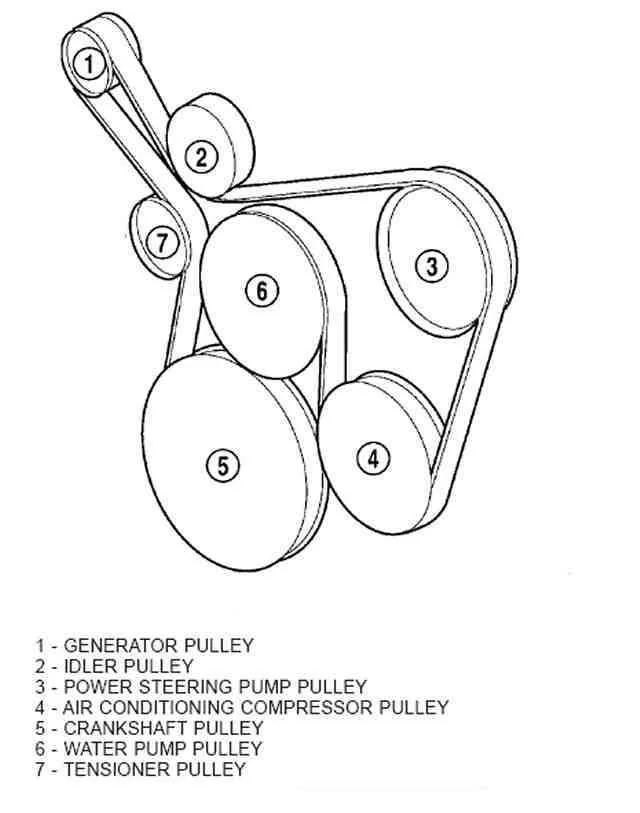
Start by opening the hood of your 2012 Jeep Wrangler and securing it. The serpentine belt is located at the front of the engine, running along a series of pulleys and accessories such as the alternator, power steering pump, and air conditioning compressor.
Look for the engine’s drive system, which is typically on the right side, near the engine block. You will see a black rubber belt snaking through various pulleys. To easily identify it, trace the belt’s path from the top or bottom of the engine compartment.
If the belt is not immediately visible, it may be slightly covered by other components. In that case, remove any obstructing parts such as engine covers or plastic shields, if applicable. The serpentine belt is usually mounted on the engine block or attached to a tensioner pulley.
To further confirm its location, refer to the engine’s schematic diagram, which is often available on a label located near the radiator or inside the engine bay. This will provide a clear illustration of the serpentine belt’s path and all components it interacts with.
Identifying Common Issues with the Serpentine Belt on the 2012 Jeep Wrangler
If the serpentine belt on your 2012 Jeep Wrangler is showing signs of wear, it’s important to act quickly. A slipping or worn belt can cause various problems, including overheating or loss of power steering. One of the most common issues is belt wear due to improper tension. This can lead to squeaking or squealing noises, especially when starting the engine or during acceleration. If you hear these sounds, inspect the belt for signs of cracking or fraying.
Another common issue is belt misalignment. Over time, components like the alternator, power steering pump, or water pump may shift slightly, causing the serpentine belt to wear unevenly. If you notice the belt is not running in a straight line, or if it appears to be slipping off the pulleys, it’s important to check the alignment of these components.
Heat damage can also weaken the serpentine belt. If the engine has been running hot, check the belt for signs of brittleness or glazing. A glazed surface on the belt is an indication of excessive heat exposure and poor grip, which can reduce its effectiveness. Replacing the belt promptly can prevent further damage to the engine components.
If your Jeep Wrangler’s belt is showing any of these issues, it’s best to replace it as soon as possible. A worn or damaged serpentine belt can quickly lead to bigger problems, including engine overheating and loss of vital functions like power steering and air conditioning. Regular inspection and maintenance will ensure your vehicle runs smoothly.
Step-by-Step Guide for Replacing the Serpentine Belt on a 2012 Jeep Wrangler
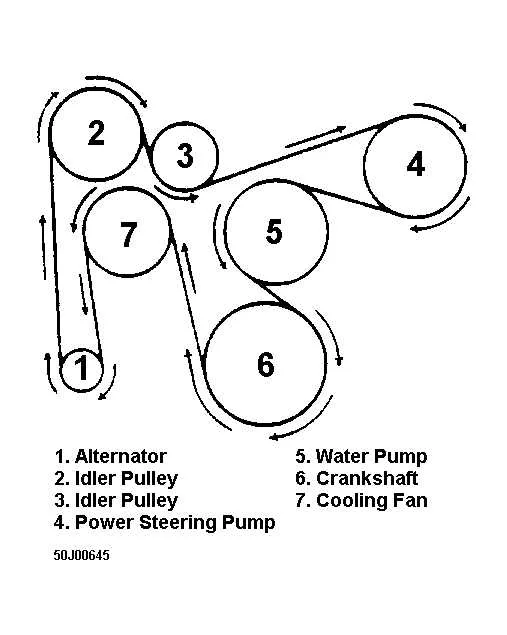
To replace the serpentine belt on your 2012 Jeep Wrangler, follow these steps:
- Lift the Hood: Start by ensuring the vehicle is on a level surface. Engage the parking brake and open the hood to access the engine compartment.
- Locate the Serpentine Belt: Find the serpentine belt by identifying the routing diagram, usually found on a sticker inside the engine bay. This will guide you on how the belt should be routed around the pulleys.
- Release Tension: Using a serpentine belt tool or a ratchet wrench, locate the tensioner pulley. Apply pressure to the tensioner to relieve the tension on the belt. This will allow you to easily remove the belt from the pulleys.
- Remove the Old Belt: Once the tension is released, slide the belt off the pulleys. Take note of the belt’s routing and condition to ensure proper installation of the new belt.
- Inspect the Pulleys: Before installing the new belt, check the pulleys for wear or damage. Spin them by hand to ensure they move smoothly. Replace any pulleys that show signs of damage or wear.
- Install the New Belt: Refer to the serpentine belt routing diagram. Begin by positioning the new belt around the pulleys, starting with the crankshaft pulley and working your way around. Ensure the belt is aligned correctly on all pulleys.
- Apply Tension: Use the serpentine belt tool or a ratchet wrench to rotate the tensioner pulley back into position, applying tension to the new belt. Ensure the belt is tight and properly aligned on each pulley.
- Double-Check the Installation: Before closing the hood, manually rotate the engine by hand or start the vehicle briefly to check that the belt is properly seated and functioning smoothly. Listen for any unusual sounds that could indicate improper installation.
- Close the Hood: Once the new belt is installed and functioning correctly, close the hood. Your Jeep Wrangler is now ready for the road.
Replacing the serpentine belt is a straightforward task that can extend the life of your engine and prevent unnecessary damage. Ensure that the belt is properly installed and under the correct tension for optimal performance.