Husqvarna YTH2348 belt diagram with clear routing and pulley placement guide
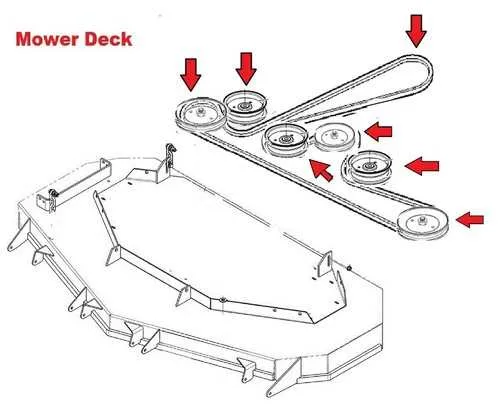
Check the belt diagram of the Husqvarna YTH2348 before installing a new drive or mower deck belt. The correct routing prevents slippage, uneven cutting, and premature wear of pulleys. Always confirm that the belt matches the original part number specified for this model.
Place the belt around the engine pulley first, then route it through the idler pulleys as shown in the diagram. Make sure the V side of the belt sits inside the pulley grooves and the flat side rests against flat idlers. Incorrect placement leads to vibration and loss of power transfer.
Inspect each pulley while installing. Worn bearings or bent brackets shorten the life of the new belt. Replace any damaged pulleys before tightening the belt into position. After installation, rotate the pulleys manually to confirm smooth movement without binding or rubbing against covers.
Maintain proper belt tension by checking the spring-loaded idler arm. A weak spring causes the belt to slip under load. If you notice uneven blade speed or squealing noises, adjust or replace the tensioner immediately. Regular inspection based on the routing diagram ensures longer mower performance and fewer breakdowns.
Husqvarna YTH2348 Belt Diagram
Follow the diagram by tracing the belt from the engine pulley, which drives the entire system, toward the mower deck pulleys. The belt must sit fully inside each pulley groove without twists or slack.
The routing includes:
- Engine pulley – main drive point where the belt begins.
- Idler pulleys – maintain proper belt tension and alignment.
- Mower deck pulleys – transfer motion to the blades for cutting.
- Tensioner pulley – spring-loaded arm that keeps the belt tight.
Check the diagram carefully and match each pulley location with the actual layout on your mower. Keep the belt seated evenly on both flat and V-side pulleys. Replace worn pulleys if they show grooves or play, as they can throw off alignment.
After routing, rotate the pulleys by hand to confirm the belt moves smoothly through the entire path. A proper installation prevents slipping, uneven wear, and damage to the blades or engine drive.
Correct Belt Routing for Husqvarna YTH2348 Mower Deck
Place the belt around the PTO pulley at the engine crankshaft and guide it toward the deck. Keep the belt tight against the flat idler pulley before feeding it around the mandrel pulleys. Ensure the V-side of the belt fits into the pulley grooves and the flat side contacts the idlers.
Route the belt across the left mandrel pulley, then direct it back to the right mandrel pulley, maintaining proper alignment along the deck path. Keep tension consistent while checking that the belt sits evenly within each groove.
Finish the routing by guiding the belt through the tensioner pulley. Engage the tension spring so the belt holds firmly without slack. Rotate the blades by hand to confirm smooth movement and correct tracking before starting the mower.
Steps to Replace the Belt on Husqvarna YTH2348
Park the mower on a flat surface, lower the deck fully, and set the parking brake. Disconnect the spark plug wire to prevent accidental start.
Release the belt tension by moving the idler arm away from the belt path. Note the routing before removal or keep the diagram at hand for reference. Remove the old belt from the engine pulley, deck pulleys, and idler pulleys.
Position the new belt around the deck pulleys first, making sure it sits evenly in each groove. Continue routing the belt through the idler pulleys and finish by placing it around the engine pulley.
Reapply tension by returning the idler arm to its operating position. Check that the belt moves smoothly through all pulleys without twists. Reconnect the spark plug wire and raise the deck to test operation at low throttle.
Inspect the belt after a few minutes of use to confirm it remains seated and tensioned correctly. Adjust if necessary to avoid premature wear.
Troubleshooting Common Belt Issues on Husqvarna YTH2348
Check belt tension first, as a loose belt often causes slipping and uneven cutting. Adjust the idler pulley spring to restore proper tension and retest the mower under load.
Inspect the belt surface for cracks, glazing, or fraying. Replace the belt if you see visible wear, since even small defects can lead to sudden failure during operation.
Look at the pulleys and spindle assemblies. Worn bearings or misaligned pulleys create noise and shorten belt life. Replace damaged pulleys and tighten mounting hardware to keep the system aligned.
Clean debris around the deck regularly. Grass buildup near the pulleys and guides forces the belt off track. A stiff brush or compressed air helps maintain a clear path.
Examine the belt routing against the factory diagram. Incorrect routing places extra load on the idler pulley and shortens belt lifespan. Correcting the path ensures smooth operation and consistent blade speed.