2011 Honda CR V Belt Diagram Detailed Guide for Proper Installation and Routing
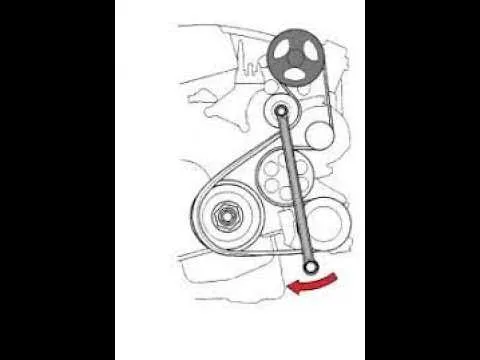
Check your serpentine belt condition immediately if your CR-V shows squealing noises or visible wear. The 2011 Honda CR-V uses a single serpentine belt that drives the alternator, power steering pump, air conditioning compressor, and water pump. Ensuring correct routing prevents belt slippage and premature wear.
Locate the tensioner pulley carefully before removing or replacing the belt. The tensioner maintains proper tension across all accessory pulleys and is spring-loaded. Using a 14mm wrench or a dedicated serpentine tool, rotate the tensioner clockwise to release belt tension safely without damaging surrounding components.
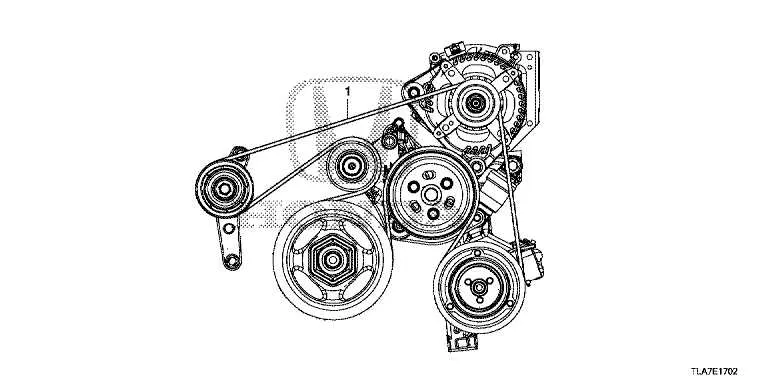
Follow the exact belt path illustrated in the factory diagram. Begin by looping the belt around the crankshaft pulley first, then route it around the alternator, power steering, and A/C pulleys. Double-check that the belt sits properly in each pulley groove to avoid misalignment, which can cause noise or rapid wear.
Inspect all pulleys and accessories while the belt is removed. Look for rough bearings, cracks, or oil contamination, as these issues accelerate belt failure. Replace any worn components before installing the new belt to ensure smooth operation and longevity.
Tighten and test the belt carefully after installation. Release the tensioner slowly to apply proper tension, then start the engine and observe belt tracking for several minutes. Correct installation ensures stable performance, prevents squeals, and extends the service life of your 2011 Honda CR-V’s belt system.
Comprehensive Guide to 2011 Honda CR V Belt Diagram and Maintenance
Refer to the belt routing diagram to correctly install or replace the serpentine belt on a 2011 Honda CR V. The belt drives the alternator, power steering pump, air conditioning compressor, and water pump, making proper alignment critical.
Follow these steps to inspect and maintain the belt:
- Check the belt for cracks, fraying, or glazing. Any visible damage indicates replacement is needed.
- Ensure the belt tension is correct. Use a belt tension gauge or verify deflection by pressing the belt at the midpoint between pulleys. Deflection should measure approximately 10–12 mm under moderate pressure.
- Inspect pulleys for smooth rotation and absence of noise. Worn or misaligned pulleys can cause premature belt wear.
- Replace the belt every 60,000–100,000 miles or sooner if any signs of wear appear.
Proper installation requires routing the belt exactly as shown in the diagram:
- Position the belt around the crankshaft pulley first.
- Loop the belt over the alternator, tensioner, and A/C compressor in sequence.
- Ensure the belt sits fully in all pulley grooves and avoid twisting.
- Release the tensioner slowly to apply proper tension and double-check alignment on all pulleys.
Regular maintenance of the belt and tensioner prolongs the life of engine components and prevents unexpected failures. Replace worn tensioners alongside the belt to maintain consistent tension and reduce slippage.
Keep the belt clean and free of oil or coolant contamination. Wipe pulleys and belt surfaces during inspections to maintain proper grip and reduce noise.
After installation, run the engine for a few minutes and observe belt tracking. Adjust if the belt rides off-center or produces unusual sounds.
Visual Layout of Serpentine and Accessory Belts for 2011 Honda CR V
Position the serpentine belt around the crankshaft pulley at the bottom center of the engine. From there, route it clockwise over the alternator pulley on the upper right, then down and around the tensioner pulley located just below the alternator. Continue the belt counterclockwise around the A/C compressor pulley on the lower left side, then across the power steering pump pulley on the upper left, and finally back to the crankshaft pulley.
Ensure the belt sits fully in the grooves of each pulley to prevent slippage. The tensioner pulley automatically adjusts tension, but check for proper alignment and smooth rotation. Inspect all accessory pulleys for wear or wobble before installing the belt.
For the accessory belts, route the smaller water pump or secondary belt directly over its corresponding pulleys, following the manufacturer’s diagram printed on the engine compartment. Confirm that each belt wraps around every required pulley without crossing incorrectly, maintaining the correct path for optimal performance.
After installation, rotate the crankshaft manually two full turns to seat the belt and verify smooth movement of all connected accessories. Listen for unusual noises and check tension again, adjusting if necessary to avoid premature wear.
Step-by-Step Instructions for Replacing and Routing Belts
Loosen the tensioner pulley using a 3/8-inch ratchet and turn it clockwise to release tension on the serpentine belt. Carefully slide the old belt off each pulley, noting the routing path.
Inspect all pulleys for wear, misalignment, or damage before installing the new belt. Check the tensioner spring for smooth operation and ensure the pulleys spin freely without noise.
Route the new belt according to the factory diagram: start by placing the belt around the crankshaft pulley, then loop it over the alternator, water pump, and A/C compressor pulleys, following the exact path shown in the 2011 CR-V belt layout.
Keep the belt snug against pulleys and avoid twisting it. Use the tensioner again to slip the belt over the last pulley, ensuring it seats properly in all grooves.
Rotate the crankshaft manually for two full turns to align the belt and verify smooth movement across all pulleys. Confirm proper tension: the belt should deflect about half an inch when pressed at the longest span.
Double-check alignment and tension one more time before starting the engine. Listen for squeaks or vibrations during initial operation and adjust if necessary.
Identifying Common Belt Issues and Preventive Checks
Regularly inspect the serpentine and accessory belts for cracks, fraying, or glazing. On a 2011 Honda CR-V, even minor surface cracks on the ribbed side indicate the belt is weakening and should be replaced within 1,000 miles to prevent sudden failure.
Listen for squealing or chirping noises while the engine runs. These sounds often signal slippage or misalignment. Check the tensioner pulley and idler pulleys for smooth rotation and correct tension. A worn tensioner can cause uneven belt wear or premature stretching.
Check for oil or coolant contamination on the belts. Fluid exposure softens the rubber, reduces grip, and accelerates deterioration. Wipe off any residue and identify leaks immediately to avoid repeated belt damage.
Examine the belt’s alignment across all pulleys. Misaligned belts wear unevenly, creating edge fraying or rib separation. Adjust or replace misaligned pulleys to maintain proper routing.
Maintain a scheduled replacement interval. For the 2011 CR-V, the serpentine belt typically requires replacement around 60,000–100,000 miles. Early inspection and preventive replacement reduce the risk of engine accessory failure and maintain optimal performance.