2005 Honda Odyssey Serpentine Belt Routing Diagram and Replacement Guide
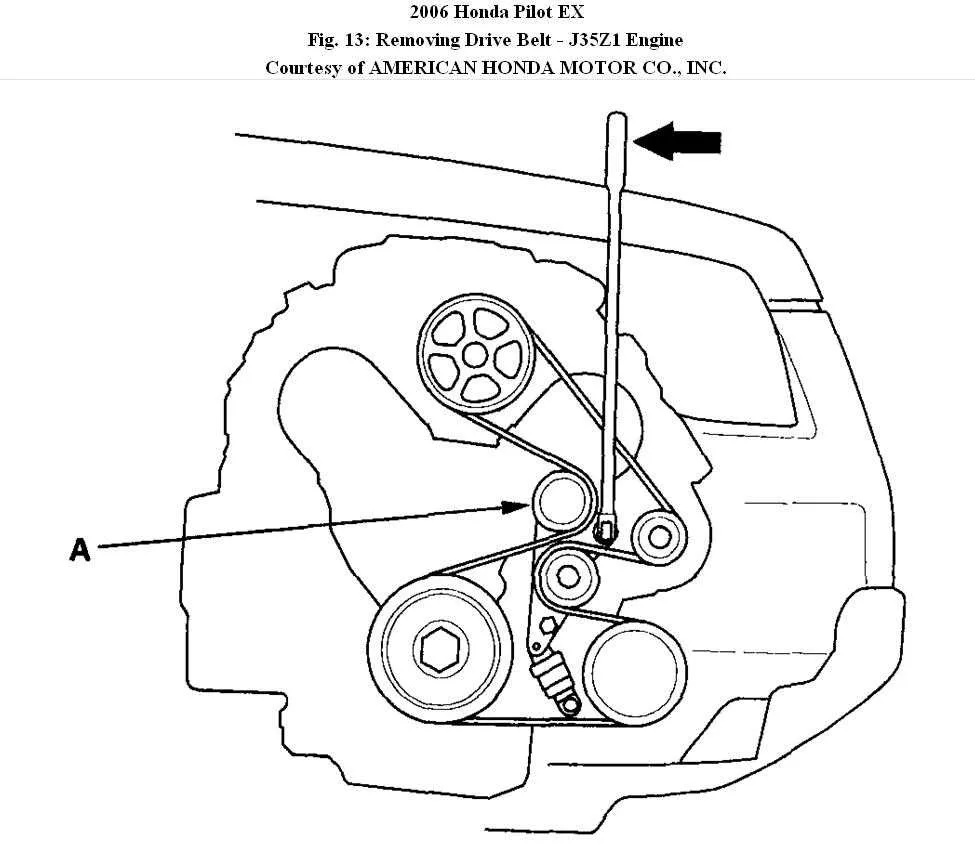
The serpentine belt in a 2005 Honda Odyssey plays a crucial role in powering several engine components, including the alternator, power steering pump, and air conditioning compressor. Understanding its routing and positioning can save you time and frustration during maintenance or replacement. Refer to the diagram below to identify how the belt should be routed around each pulley and ensure smooth operation.
Check the alignment and tension of the serpentine belt to prevent slipping, wear, or damage. If the belt is loose or shows signs of fraying, it’s a good idea to replace it as soon as possible to avoid potential engine issues. Regular inspection of the serpentine belt and its components can help prevent costly repairs down the road.
Before attempting a belt replacement, make sure you have the necessary tools and the correct replacement belt size. Referencing a reliable serpentine belt diagram ensures the belt is properly aligned, and all engine accessories continue to function correctly. Always follow manufacturer guidelines for belt tension and installation procedures to maintain optimal performance.
2005 Honda Odyssey Serpentine Belt Diagram
To replace the serpentine belt on a 2005 Honda Odyssey, follow the layout shown in the diagram. The belt drives multiple components such as the alternator, power steering pump, and air conditioning compressor. Start by locating the belt tensioner on the front of the engine, which will help relieve tension when removing the old belt.
The diagram for this model shows the specific routing of the serpentine belt around the pulleys. The belt wraps around the crankshaft pulley, the alternator, the power steering pulley, and the air conditioning compressor pulley. Pay attention to the order and direction in which the belt should be installed, as improper routing can cause damage to the components.
Use a 14mm socket to rotate the belt tensioner counterclockwise, which will allow you to remove the old belt. Be sure to inspect the new belt for any signs of wear or damage before installation. Once the new belt is routed correctly, check the tension and ensure it sits firmly in place on all pulleys.
If you’re unsure about the correct path for the serpentine belt, refer to the diagram provided in your vehicle’s manual or consult an online diagram specific to your 2005 Honda Odyssey model for confirmation.
How to Locate the Serpentine Belt on a 2005 Honda Odyssey
To find the serpentine belt on a 2005 Honda Odyssey, open the hood and locate the engine’s front side. The serpentine belt is positioned along the engine’s front, typically running from the alternator to the power steering pump and other components. You’ll see the belt routed over various pulleys, such as the tensioner and idler pulleys.
Look at the passenger side of the engine bay. The serpentine belt is typically visible and positioned around the crankshaft pulley. In case it’s hard to see, using a flashlight can help reveal it more clearly. The belt is about 1-2 inches wide and may be a little worn or frayed, depending on its age.
If the belt is not immediately visible, follow the large, ribbed pulley near the engine block, which is often where the serpentine belt begins. You can also check the vehicle’s owner manual for a diagram showing the belt’s exact path and routing.
For better access, remove any covers or components that might be blocking your view. Be cautious while handling the belt, as it can be under tension, and always wear gloves when working around moving parts.
Step-by-Step Guide for Replacing the Serpentine Belt on a 2005 Honda Odyssey
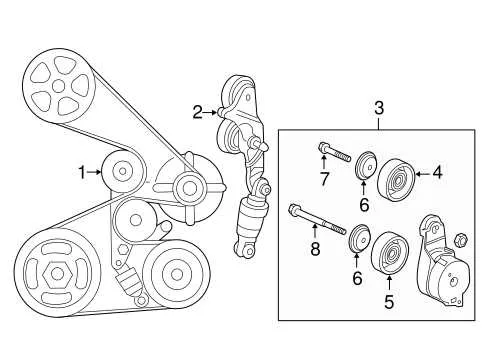
To replace the serpentine belt on a 2005 Honda Odyssey, follow these steps carefully:
1. Gather Tools
You’ll need a 3/8-inch drive ratchet, a serpentine belt tool, and a replacement belt. Make sure the new belt matches the specifications found in your owner’s manual.
2. Disconnect the Battery
Before starting, disconnect the negative terminal of the battery to avoid any electrical mishaps.
3. Locate the Serpentine Belt
Open the hood and locate the serpentine belt. It runs across several pulleys and components, including the alternator, power steering pump, and air conditioning compressor.
4. Find the Tensioner Pulley
The serpentine belt is kept tight by the tensioner pulley. Identify the location of the tensioner; it’s typically near the bottom of the engine, with a bolt in the center.
5. Loosen the Tensioner Pulley
Use a ratchet to rotate the tensioner pulley in the direction specified in your vehicle’s service manual. This will loosen the belt. Keep the ratchet engaged while you slip the belt off the pulleys.
6. Remove the Old Belt
With the tensioner relaxed, carefully remove the serpentine belt from all pulleys. Note the belt’s routing, or take a picture to help you install the new one.
7. Install the New Belt
Begin routing the new serpentine belt, following the diagram or your reference photo. Ensure the belt sits properly in all grooves of the pulleys, making sure it’s aligned correctly on the tensioner pulley.
8. Tighten the Tensioner Pulley
Rotate the tensioner pulley back into position to apply tension to the new belt. Ensure the belt has enough tension by checking its position across the pulleys.
9. Reconnect the Battery
Reconnect the negative battery terminal after the belt is installed and properly tensioned.
10. Test the System
Start the engine and observe the belt in action. Check for any unusual noises or misalignment. If everything runs smoothly, the job is complete.
Troubleshooting Common Issues with the Serpentine Belt on a 2005 Honda Odyssey
If your 2005 Honda Odyssey’s serpentine belt is showing signs of wear, here are some common issues to check and how to address them:
- Squealing or High-Pitched Noise: This usually indicates a loose or worn belt. Inspect the belt for visible cracks or fraying. If the belt is damaged, it’s time to replace it. If the belt appears intact, check the tensioner for proper operation. A faulty tensioner might cause the belt to slip, creating noise.
- Flickering or Dimming Lights: A slipping serpentine belt can fail to properly drive the alternator, causing the electrical system to underperform. Check the belt for tension and alignment. Tighten or replace the belt if necessary, and ensure the alternator pulley is in good condition.
- Power Steering Failure: The power steering pump is driven by the serpentine belt. If you notice difficulty in steering, inspect the belt for damage. A loose or broken belt might prevent the pump from operating, leading to steering issues. Replace or adjust the belt tension as needed.
- Overheating Engine: If the serpentine belt is not functioning correctly, the water pump may not be getting power, which can cause the engine to overheat. Inspect the belt and the water pump pulley for proper alignment and wear. A malfunctioning belt should be replaced immediately to avoid further engine damage.
- Frequent Belt Slippage: If the belt keeps slipping off the pulleys, check for misaligned pulleys, worn-out tensioners, or a defective belt. Misalignment often occurs if pulleys are bent or damaged. Realign the pulleys or replace the faulty components.
Regularly check the condition of the serpentine belt. If any of these issues arise, addressing them early can prevent more severe damage to your vehicle’s engine components. If you’re uncertain about the condition of the belt or components, consider having a professional inspection.