Ford E350 Serpentine Belt Routing Diagram for Engine Maintenance and Repair
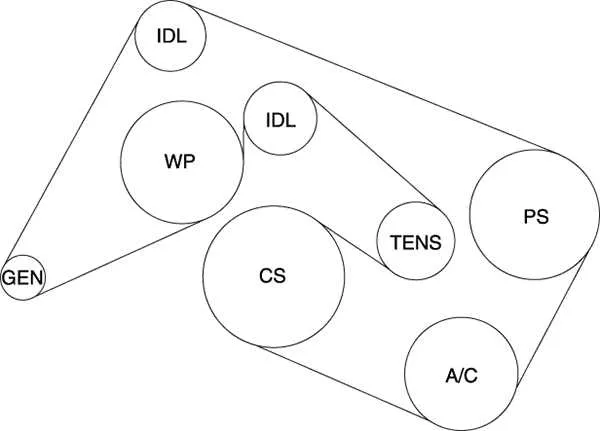
Check the routing carefully before removing the serpentine belt on your Ford E350. For most 5.4L and 6.8L engines, the belt wraps around the crankshaft pulley, alternator, power steering pump, air conditioning compressor, and idler pulleys in a precise pattern. Using a diagram specific to your engine ensures proper alignment and prevents damage to accessories.
Locate the tensioner pulley and release tension with a ratchet or breaker bar. Observe the belt path from the diagram: the belt should sit fully in each pulley groove without twisting. A misaligned belt can cause squealing, premature wear, or accessory malfunction.
Keep a printed or digital copy of the serpentine belt diagram in the engine bay while installing the new belt. Double-check that the belt engages the tensioner correctly and maintains proper tension. Following the diagram step by step avoids unnecessary adjustments and saves time.
Inspect pulleys and the tensioner for wear before installing the new belt. Worn bearings or misaligned pulleys can reduce belt life and create noise. Replacing these components alongside the belt ensures smooth operation and extends service intervals.
Ford E350 Serpentine Belt Diagram
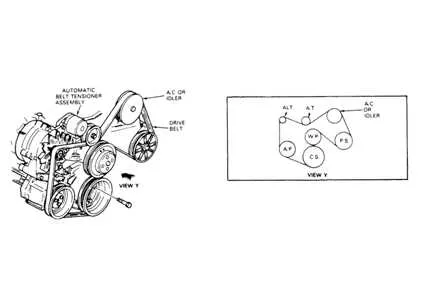
Consult the belt routing diagram specific to your Ford E350 engine to ensure correct installation. For the 5.4L V8, the belt wraps around the crankshaft pulley, alternator, power steering pump, A/C compressor, and tensioner. The 6.8L V10 uses a slightly different path, routing over the idler pulley before connecting to the water pump and accessories. Incorrect alignment can cause premature wear or accessory failure.
Place the belt on the crankshaft pulley first, then loop it over the alternator and power steering. Use the tensioner to apply proper tension while confirming each pulley grooves the belt correctly. Visual confirmation against the factory diagram prevents misalignment issues.
For models with air conditioning, thread the belt over the A/C compressor after the alternator. The tensioner on the front passenger side allows adjustment to remove slack without tools on most late-model E350s. Verify the belt rests evenly in all pulley grooves before starting the engine.
Keep a copy of the diagram under the hood or in the service manual for reference during maintenance. Consistent checks every 15,000 miles help detect cracks, fraying, or glazing early, extending belt life and preventing unexpected breakdowns.
Locate the Serpentine Belt Routing on Ford E350 Engines
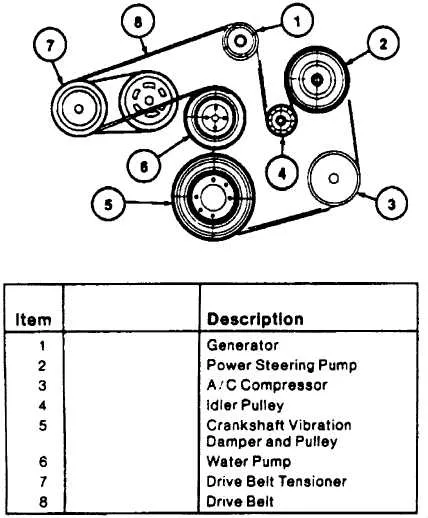
Check the engine compartment near the radiator support or on the underside of the hood for a belt routing sticker. Ford often places a diagram showing the exact path of the serpentine belt across the alternator, power steering pump, water pump, and A/C compressor.
If the sticker is missing or faded, refer to the specific engine type: the 4.6L V8, 5.4L V8, and 6.8L V10 engines each have slightly different routing. For the 5.4L V8, the belt runs from the crankshaft pulley up to the alternator, loops around the water pump, then down to the A/C compressor, and finally wraps the tensioner before returning to the crankshaft.
Use a chalk or a marker to trace the belt path before removal. This prevents mistakes during installation and ensures correct alignment with all pulleys. Inspect the tensioner pulley for smooth movement and check all accessory pulleys for wear before fitting a new belt.
For visual guidance, diagrams in the Ford E350 service manual show pulley positions and belt angles. Following the exact routing prevents slipping, squealing, and premature wear. Keep the engine off and cool while performing any adjustments to avoid injury.
When replacing the belt, ensure the ribbed side sits properly on ribbed pulleys and the smooth side contacts smooth pulleys. Tighten the tensioner gradually, confirming the belt tracks correctly across all components before starting the engine.
Identify Each Pulley and Tensioner Position
Locate the crankshaft pulley at the bottom center of the engine; it drives the main belt and aligns with the other components. Above it, position the alternator pulley slightly to the passenger side, ensuring the belt wraps smoothly around it. The power steering pump pulley sits on the driver’s side, slightly higher than the crankshaft, angled outward for correct belt tension. The air conditioning compressor pulley is near the front corner, below the alternator, requiring careful alignment to prevent belt slippage.
Place the idler pulley on the passenger side, just above the crankshaft pulley; it maintains belt routing and prevents slack. The tensioner is located near the center-right of the engine, spring-loaded, and should be rotated to relieve pressure before removing the belt. Ensure the belt path follows the diagram precisely: crankshaft to idler, then to alternator, around the tensioner, over the power steering pump, and finally across the A/C compressor. Double-check that all pulleys spin freely and that the belt sits fully in each groove to avoid premature wear or misalignment.
Step-by-Step Replacement Using the Diagram
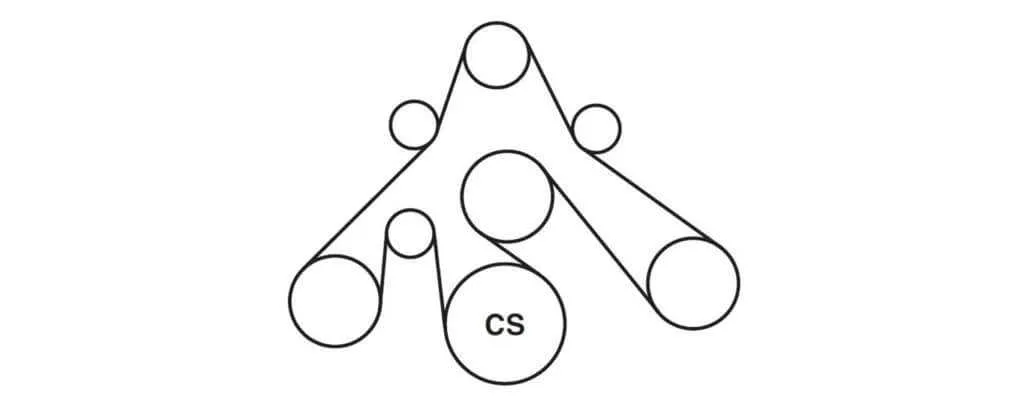
Refer to the Ford E350 serpentine belt diagram to correctly route the new belt around all pulleys. Misalignment can cause squealing or premature wear.
-
Disconnect the negative battery terminal to prevent accidental shorts.
-
Loosen the tensioner pulley using a 3/8-inch ratchet. Rotate it clockwise to release belt tension.
-
Slide the old belt off the pulleys carefully. Inspect each pulley for wear, rust, or wobbling.
-
Compare the new belt with the old one. Ensure the length, rib count, and width match exactly.
-
Using the diagram, route the new belt around all pulleys except the tensioner.
-
Rotate the tensioner again and slip the belt onto the tensioner pulley. Release slowly to apply proper tension.
-
Double-check the belt alignment on every pulley. Misalignment by even a few millimeters can reduce belt life.
-
Reconnect the negative battery terminal and start the engine. Listen for unusual noises and observe the belt for smooth operation.
Keep a clean workspace and have a flashlight ready for better visibility around tight engine areas. Tighten all bolts to manufacturer torque specifications. Regular inspection every 12,000 miles helps maintain belt performance.
If the belt slips or makes noise after installation, recheck tensioner position and pulley alignment before driving. Using the diagram as a reference ensures consistent routing and reduces errors.