Ford 4.6 Belt Routing Diagram and Maintenance Tips
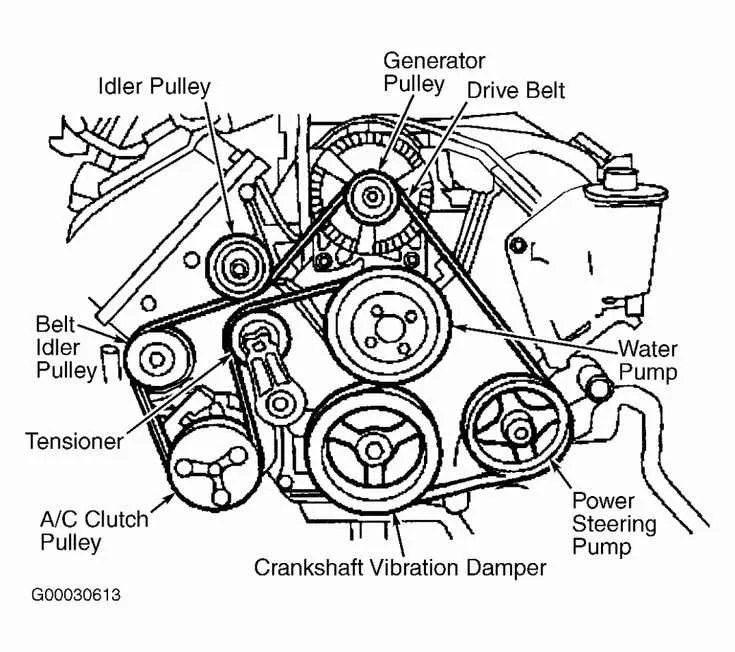
For accurate belt routing on a Ford 4.6 engine, refer to the diagram to ensure all components are correctly aligned. The serpentine belt should run smoothly over the alternator, power steering pump, air conditioning compressor, and crankshaft pulley, ensuring proper tension and alignment to prevent slippage and premature wear.
The Ford 4.6 engine typically uses a single serpentine belt system. Start by routing the belt from the crankshaft pulley around the components in a specific order. Be sure to check the belt tensioner’s condition, as a worn-out tensioner can cause the belt to lose tension and affect the performance of critical systems like the power steering or air conditioning.
If replacing the belt, carefully follow the diagram to avoid misrouting, which can lead to severe engine performance issues. Double-check that the belt is seated fully in the grooves of all pulleys to ensure smooth operation.
Belt Routing Ford 4.6 Belt Diagram
The Ford 4.6 engine has a specific belt routing pattern that ensures proper operation of various components, including the alternator, water pump, and power steering pump. If you’re replacing the serpentine belt or performing maintenance, follow this routing guide for accuracy.
Start with the crankshaft pulley at the bottom. The belt runs clockwise from here, looping around the crankshaft pulley, then up to the tensioner pulley. From the tensioner, route the belt to the water pump. Next, guide the belt around the idler pulley and then to the alternator. After the alternator, the belt should move towards the power steering pump and finally loop around the A/C compressor pulley, securing its path back to the crankshaft pulley.
Here’s a simple breakdown of the steps:
- Start at the crankshaft pulley.
- Run the belt around the tensioner pulley.
- Route the belt to the water pump.
- Guide the belt around the idler pulley.
- Move the belt to the alternator pulley.
- Pass the belt to the power steering pump.
- Finish by routing the belt around the A/C compressor pulley.
- Return the belt to the crankshaft pulley to complete the loop.
After routing, check the tensioner’s movement to ensure the belt is properly tightened. A loose belt can lead to inadequate power transmission, while a too-tight belt can cause unnecessary wear.
Consult your vehicle’s manual for any adjustments specific to your model year. The 4.6L engine configuration might vary slightly based on the car’s model or year.
Step-by-Step Guide to Reading the Ford 4.6 Belt Diagram
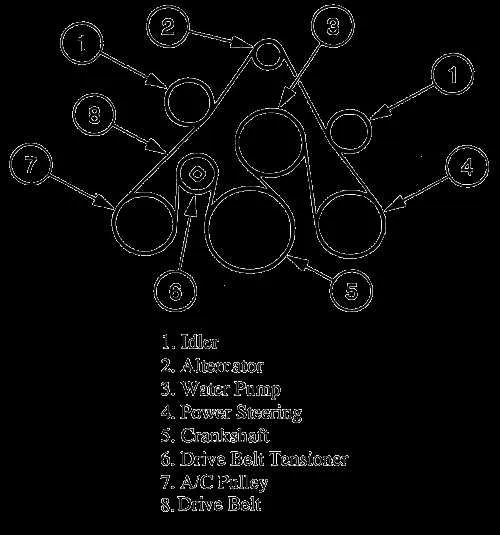
Check the belt routing diagram carefully before you start. Start with the position of the tensioner and make sure you can identify the main components such as the alternator, power steering pump, and air conditioning compressor. Each of these will play a role in how the belt moves.
Look at the belt’s starting point: it usually begins at the crankshaft pulley. Follow the path from this pulley, noting the direction it moves across each component. Pay close attention to the alignment and positioning, especially where the belt wraps around pulleys and tensioners.
As you follow the path, observe how the belt interacts with each component. The alternator is typically near the top of the diagram, while the power steering pump and AC compressor often sit below. Ensure the belt crosses the correct pulleys–there should be no overlap or incorrect routing.
If the diagram includes a tensioner, it’s key to understand how it adjusts. The tensioner keeps the belt tight and should move with the belt’s motion. Make sure you see how it affects the belt’s position along the route.
Check for any guides or idler pulleys. These will direct the belt and ensure it maintains the correct tension and alignment across all components. Make sure there’s no slack or misalignment at any point in the diagram.
Double-check the path as a whole. The belt should flow smoothly, with no tight angles or twists. If you find anything off-track, adjust the routing and test the belt’s path again.
Once everything is aligned and secure, use a tool to test the tension, and you’re ready to go. A correctly routed belt ensures that your Ford 4.6 engine runs smoothly, powering all essential components without issues.
Troubleshooting Common Issues with Belt Routing on Ford 4.6 Engines
Check the belt tension regularly. A loose or worn-out belt often causes poor performance and unusual noises. Ensure the belt has the right amount of tension by testing it with a tension gauge or by pressing down on the longest stretch of the belt. If it moves more than 1/2 inch, replace the belt or adjust the tensioner.
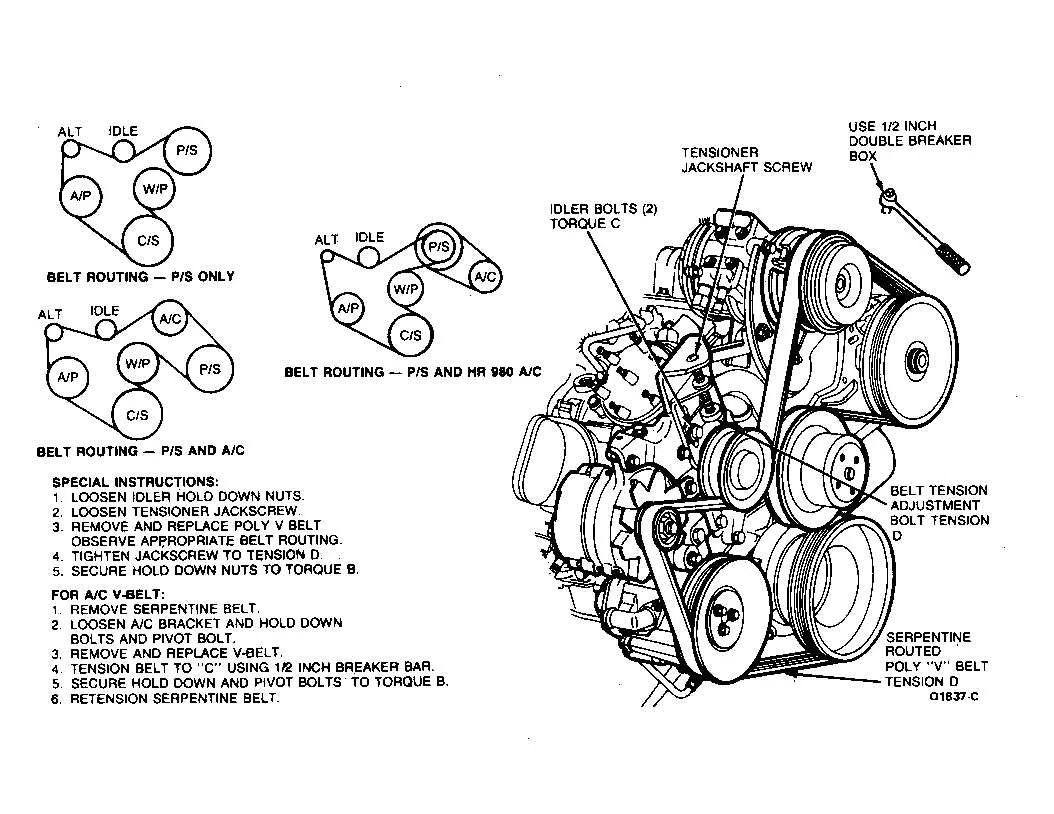
Inspect the belt routing for misalignment. A misaligned belt can result in uneven wear, noise, or even damage to the belt itself. Use a belt routing diagram for the Ford 4.6 engine to ensure everything is routed properly. Pay close attention to the pulleys, making sure the belt fits snugly in each groove.
Examine the pulleys for wear and damage. A worn-out pulley can cause the belt to slip or create additional friction. Inspect each pulley, especially the idler and tensioner pulleys, for any signs of cracking, wobbling, or noise when turning. Replace any faulty pulleys to prevent further damage to the belt.
Check the alternator and power steering pump for proper alignment. If either of these components is misaligned or experiencing excessive resistance, the belt can wear out prematurely or fail. Make sure these components are securely fastened and correctly aligned with the belt system.
Look for any foreign objects or debris that could obstruct the belt path. Sometimes, small debris or dirt can build up around the pulleys and cause slippage. Clean the area thoroughly to ensure nothing is interfering with the belt’s movement.
Verify the condition of the serpentine belt. If there are visible cracks, frays, or missing ribs, replace the belt immediately. A damaged belt can slip off the pulleys or fail altogether, causing a loss of power to essential systems like the alternator and air conditioning.
Monitor the serpentine belt tensioner. A failing tensioner won’t apply the correct pressure, causing the belt to slip. If the tensioner appears weak or noisy, replace it. Ensure that it moves freely and maintains consistent pressure on the belt during engine operation.
If all else fails, consult the service manual. Use the factory-recommended belt routing diagram as a reference for reassembly. Double-check all connections and ensure the belt sits properly on each pulley before starting the engine.
How to Replace the Serpentine Belt Based on the Ford 4.6 Diagram
First, locate the serpentine belt tensioner using the Ford 4.6 diagram to identify its exact position. Use a 3/8-inch drive ratchet or a serpentine belt tool to rotate the tensioner counterclockwise. This will release the tension on the belt. Once relaxed, slide the belt off the pulleys, carefully noting the belt routing, which you can reference on the diagram for proper reinstallation.
Before removing the old belt, check its condition for any signs of damage such as fraying, cracks, or excessive wear. Clean any debris or buildup around the pulleys and the tensioner to ensure smooth operation for the new belt.
Now, grab the new serpentine belt. Using the diagram, route the belt around each pulley, ensuring that it matches the original pattern exactly. Begin with the bottom-most pulleys and work your way up to avoid any unnecessary twisting or slack. Make sure the belt sits properly in each groove of the pulleys.
Once the belt is in place, rotate the tensioner again to allow the belt to slide over the final pulley. Double-check that the belt is properly aligned on all pulleys and that there’s no slack. If everything looks good, release the tensioner to apply pressure to the belt, securing it in place.
Start the engine and observe the belt in motion to confirm it runs smoothly. Listen for any unusual sounds, which could indicate improper installation or a defective belt. If everything seems fine, close the hood and test drive the vehicle.