Complete 4.6 Ford Engine Belt Diagram and Routing Guide for Maintenance
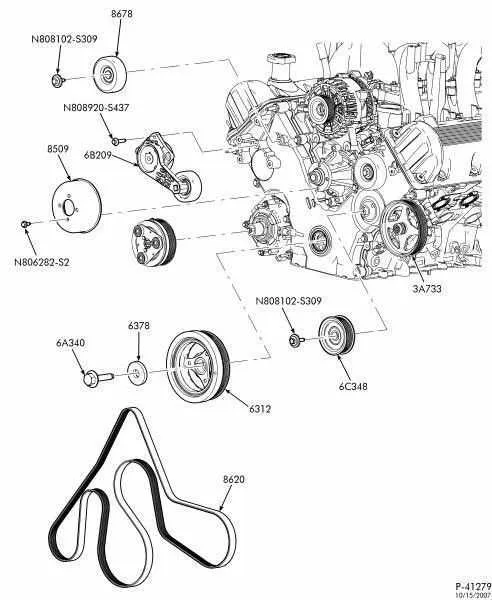
Locate the serpentine belt routing diagram near the radiator or under the hood to ensure proper installation. The 4.6 Ford engine uses a single serpentine belt to drive the alternator, water pump, power steering, and A/C compressor, so precise alignment is critical.
Check belt tension before starting the engine. A belt that is too loose can slip and cause overheating, while an overtightened belt increases wear on pulleys and bearings. Use a tension gauge or follow the vehicle’s recommended manual specifications for optimal performance.
Inspect pulleys and components for wear or damage. Misaligned pulleys can shorten belt life and reduce efficiency. Replace any cracked or glazed belts and verify that all pulleys spin freely without resistance or wobble.
Follow a step-by-step installation based on the diagram. Route the belt over each pulley exactly as shown, ensuring it sits fully in the grooves. Confirm that tensioners are properly engaged and that the belt tracks smoothly during a test rotation by hand.
Maintain a regular check schedule for the belt and accessories. Inspect every 10,000 miles or during oil changes, noting signs of fraying, cracking, or slipping. Early detection prevents engine accessory failure and maintains consistent vehicle operation.
Ford Belt Diagram Practical Guide for Maintenance and Replacement
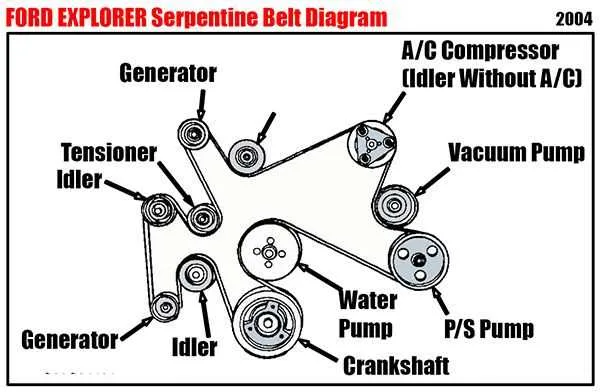
Inspect the 4.6 Ford serpentine belt for cracks, fraying, or glazing every 12,000 miles or during routine oil changes. Use the belt diagram to identify each pulley: alternator, water pump, power steering, and tensioner. Ensure the belt routes correctly over each pulley following the diagram to avoid misalignment.
Release tension using a wrench on the tensioner pulley. Carefully slide the old belt off pulleys, maintaining a hand on the tensioner to prevent sudden movement. Compare the old belt with the replacement for length, rib count, and flexibility.
Route the new belt according to the diagram, starting with the lower pulleys and leaving the tensioner for last. Pull the tensioner to position the belt onto its pulley, then slowly release to apply proper tension. Check belt alignment across all pulleys; misalignment can cause premature wear or noise.
Run the engine for 2–3 minutes, observing belt movement and listening for squeaks. Recheck tension and adjust if the belt slips or shows uneven wear. Repeat inspections at each service interval and replace the belt typically every 60,000–100,000 miles, depending on driving conditions and belt quality.
Maintain clean pulleys free of oil or debris to extend belt life. Lubricate idler bearings only if specified by Ford service manuals. Keep a copy of the belt diagram accessible in the engine compartment for reference during future maintenance or emergencies.
Identifying Each Belt and Pulley on the 4.6 Ford Engine
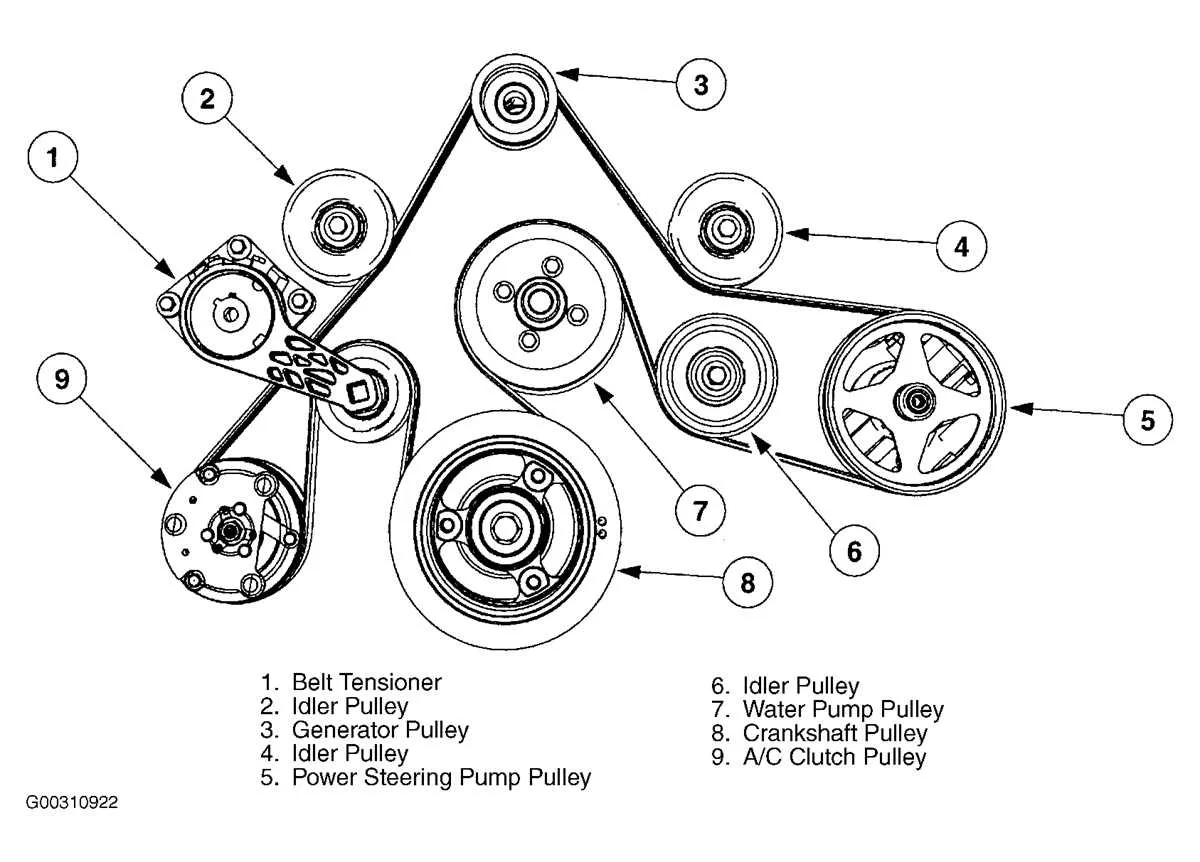
Locate the serpentine belt routing diagram near the radiator or inside the engine compartment. The 4.6 Ford engine typically has a single serpentine belt driving multiple components. Begin by identifying the crankshaft pulley at the bottom center of the engine; it powers all other pulleys through the belt.
The alternator pulley sits on the upper passenger side and maintains battery charge. The power steering pump pulley is on the upper driver side, providing hydraulic pressure for steering. The water pump pulley, located near the center, circulates coolant through the engine. The A/C compressor pulley is usually on the lower passenger side, engaging only when air conditioning is active.
Inspect the tensioner pulley on the front of the engine; it maintains proper belt tension automatically. The idler pulleys, often mounted between major components, guide the belt along the correct path and prevent slack. Trace the belt path visually from the crankshaft to each accessory pulley, confirming alignment with the diagram.
Check each pulley for wear, wobble, or noise before removing the belt. Replace any damaged pulley to prevent premature belt failure. Label each pulley if necessary to avoid confusion during reinstallation. Verify belt orientation and routing before applying tension, ensuring all pulleys spin freely without binding.
Step-by-Step Belt Removal and Installation Process
Loosen the tensioner: Locate the serpentine belt tensioner on the 4.6 Ford engine. Use a 3/8-inch ratchet or breaker bar to rotate the tensioner clockwise, relieving tension on the belt.
Remove the old belt: Slide the belt off each pulley while keeping note of its routing. Avoid forcing the belt over pulleys to prevent damage.
Inspect pulleys and tensioner: Check all pulleys for smooth rotation and signs of wear. Replace any pulley with rough bearings or visible cracks. Verify the tensioner moves freely and maintains pressure.
Compare the new belt: Match the length and rib pattern of the replacement belt with the removed one. A misaligned belt can cause slippage or premature wear.
Route the new belt: Follow the factory routing diagram, positioning the belt over each pulley according to the correct path. Ensure all ribs align with pulley grooves.
Apply tension: Rotate the tensioner again and slip the belt over it. Slowly release the tensioner, allowing it to apply pressure to the belt. Confirm the belt sits properly on all pulleys.
Double-check alignment: Inspect each pulley visually. Run a hand along the belt to feel for misalignment or slack. Adjust if necessary before starting the engine.
Test operation: Start the engine and observe belt movement. Listen for squeaks or chatter and verify smooth rotation of all pulleys. Shut off the engine and recheck tension after initial run.
Troubleshooting Common Belt Wear and Alignment Issues
Inspect the serpentine and accessory belts regularly for cracks, fraying, or glazing. Start by removing debris and checking for uneven wear patterns, which often indicate misalignment.
- Check belt tension using a gauge or by pressing on the belt midway between pulleys. A deflection of 1/4 to 1/2 inch under moderate pressure is typical for most 4.6 Ford engines.
- Look for pulley wobble or excessive play. Loose or bent pulleys can cause belts to track improperly and wear quickly.
- Examine belt edges. Sharp or feathered edges usually result from pulleys that are not aligned or bearings that are failing.
Correct alignment by adjusting the tensioner or repositioning pulleys. Use a straight edge across multiple pulleys to verify proper alignment. Replace worn tensioners or idler pulleys immediately to prevent repeated belt damage.
- Remove the belt and inspect each pulley for rough spots, corrosion, or damage.
- Rotate pulleys by hand to detect unusual resistance or noise.
- Install the new belt following the factory routing diagram, ensuring even tension across all pulleys.
- Run the engine and observe belt tracking. It should remain centered on every pulley without twisting or slipping.
For squealing or slipping belts, apply a small amount of belt dressing only if the belt is clean and undamaged. Persistent noise often signals the need for replacement rather than temporary fixes.
Document wear patterns and replacement dates to anticipate future maintenance. Regular inspection and precise alignment reduce the risk of sudden belt failure and maintain consistent engine performance.