2007 Ford Escape 2.3 Serpentine Belt Routing and Diagram Guide
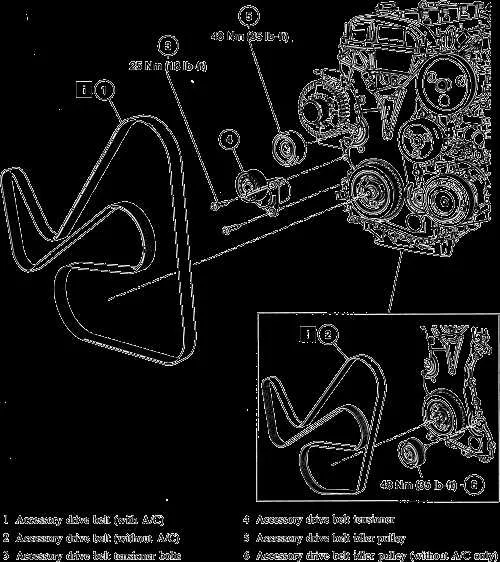
To properly understand and replace the serpentine belt on a 2007 Ford Escape 2.3, follow the diagram provided. It shows the exact path the belt follows around pulleys and components such as the alternator, power steering pump, and water pump.
Ensure the belt is routed correctly to avoid potential issues like belt slippage or premature wear. The tensioner pulley plays a key role in keeping the belt tight. If it’s worn, replacing it alongside the serpentine belt is highly recommended.
When replacing the serpentine belt, double-check that the grooves align with each pulley. Misalignment can lead to premature damage to both the belt and pulleys, resulting in costly repairs. Use a tension gauge to verify the correct tension after installation.
For a smooth process, it’s also advised to inspect the pulleys for signs of wear or damage. If any of the pulleys appear damaged, they should be replaced to prevent further belt issues.
2007 Ford Escape 2.3 Serpentine Belt Diagram
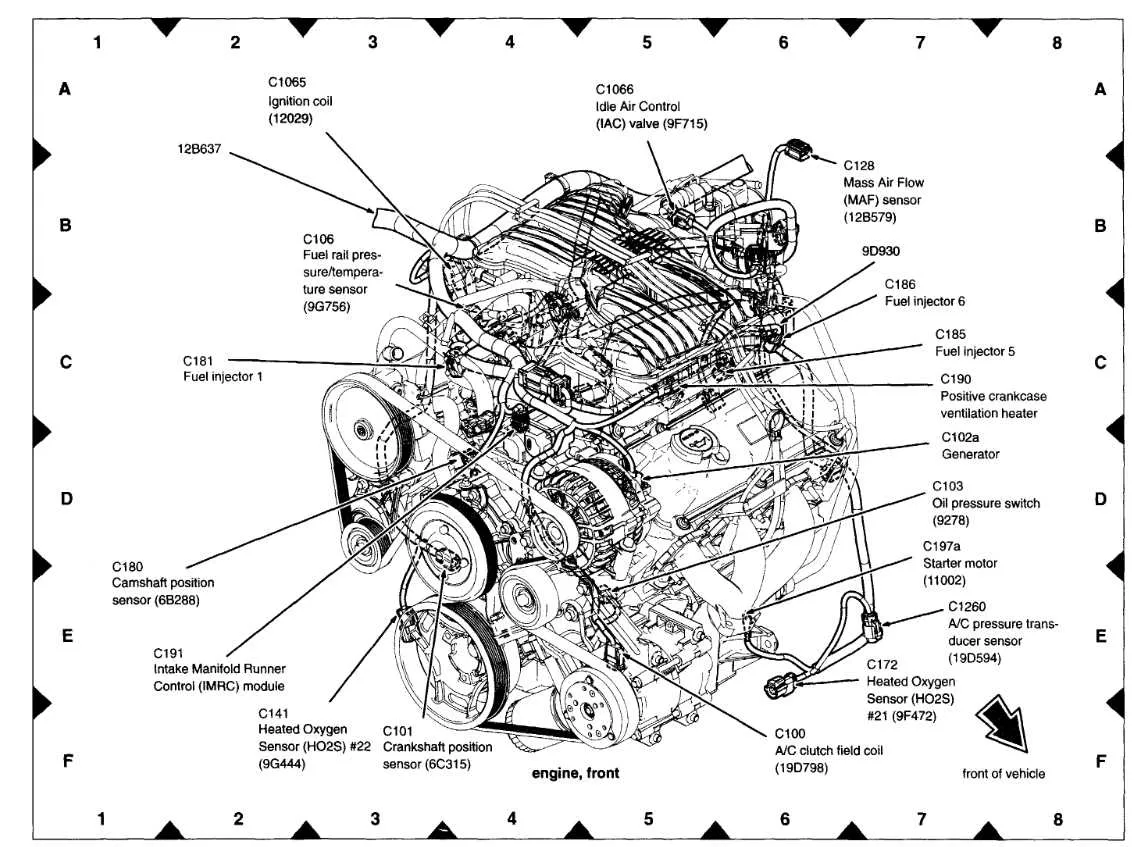
The serpentine belt in the 2007 Ford Escape 2.3 is responsible for powering essential engine components, including the alternator, power steering pump, water pump, and air conditioning compressor. Proper installation and tension are key to ensuring the system works efficiently.
First, locate the serpentine belt routing diagram. This diagram is often found on a label near the front of the engine or in the vehicle’s service manual. It provides a detailed view of the belt’s path around the various pulleys. Familiarize yourself with the correct routing to avoid installation errors.
To replace the serpentine belt, begin by using a socket wrench to relieve tension on the belt tensioner. This will allow you to remove the old belt. Next, compare the new belt with the old one to ensure they match in length and width. Install the new belt by following the diagram, ensuring that the belt fits snugly around all pulleys without slack or excessive tightness.
Once the belt is installed, use the wrench to reapply tension to the tensioner, ensuring it holds the belt in place. After installation, check for proper belt alignment by manually rotating the engine with the crankshaft pulley. The belt should remain securely in place, with no signs of slipping or misalignment.
Regularly inspect the serpentine belt for signs of wear, cracking, or fraying. If any of these issues arise, replace the belt immediately to avoid potential damage to the engine components it powers.
How to Identify the Serpentine Belt Routing on the 2007 Ford Escape 2.3
To identify the serpentine belt routing on your 2007 Ford Escape 2.3, start by locating the diagram on the engine bay. This diagram is typically found on a sticker or embossed plate near the radiator or on the upper fan shroud. It will show the exact path the serpentine belt follows around the various pulleys.
Ensure the engine is turned off and cool before proceeding. If the diagram is damaged or missing, use the following guidelines to manually trace the routing:
1. The serpentine belt loops around the crankshaft pulley at the bottom left of the engine block.
2. It then moves up to the alternator on the top left side.
3. From the alternator, it goes to the power steering pump, which is located just below the alternator.
4. The belt runs around the water pump pulley, situated near the center of the engine block.
5. Next, it loops over the idler pulley and the tensioner pulley, which helps maintain the belt’s tightness.
6. Finally, the belt moves over the A/C compressor on the right side, completing the routing circuit.
If the belt is installed correctly, it should sit snugly in the grooves of each pulley. Double-check for any misalignment or excessive wear on the belt itself. If you notice damage, replace the serpentine belt with a new one that matches the specifications of the 2007 Ford Escape 2.3 engine.
Common Issues with the Serpentine Belt in the 2007 Ford Escape 2.3
Inspecting the serpentine belt regularly can prevent major issues. The most common problem is belt wear, often caused by age or improper tension. A worn-out belt may develop cracks, frays, or missing ribs, leading to potential failure.
- Belt Slippage: If the belt slips off the pulleys, it can disrupt engine accessories like the alternator and power steering. A common cause is a misaligned pulley or a worn tensioner.
- Noisy Operation: Squealing noises are usually a sign of a loose or worn belt. Check the tension and look for any visible signs of damage.
- Pulley Issues: Pulleys, especially the tensioner, can wear out over time. A faulty tensioner won’t apply adequate pressure, leading to slippage or improper belt operation.
- Incorrect Installation: If the serpentine belt isn’t routed correctly, it can lead to premature wear. Always double-check the belt diagram before installing the new belt.
To avoid these issues, replace the serpentine belt every 60,000 to 100,000 miles, depending on driving conditions. Inspect the belt regularly for any signs of damage and ensure the tensioner is functioning properly to maintain optimal performance.
Steps to Replace the Serpentine Belt on the 2007 Ford Escape 2.3
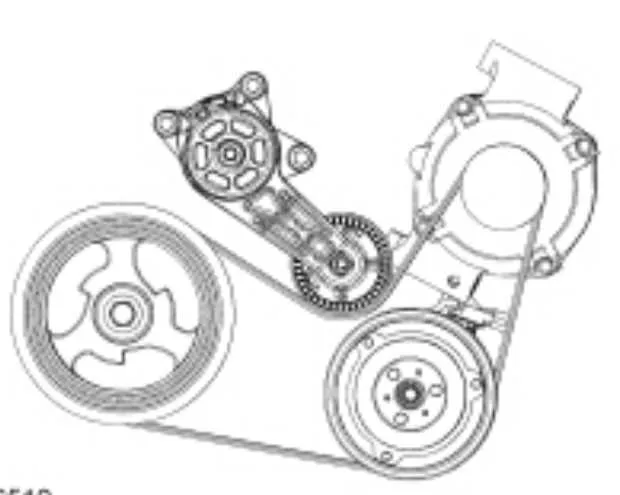
Start by loosening the tension on the serpentine belt. Locate the tensioner pulley, and use a wrench or socket to turn it clockwise. This will release the tension on the belt, allowing you to remove it from the pulleys.
Next, remove the old serpentine belt from the system. Carefully work it off the pulleys, starting from the easiest point of access. Keep in mind the belt’s routing path, as you will need to install the new belt following the same route.
Before installing the new belt, visually inspect the pulleys for wear. Ensure they spin smoothly and are free from damage. Replace any pulleys that show signs of wear or malfunction.
Now, take the new serpentine belt and align it according to the routing diagram for the 2007 Ford Escape 2.3. Start by threading it over the pulleys, ensuring that the belt fits snugly in the grooves of each pulley. Double-check the belt alignment and make sure it is seated properly.
Once the belt is in place, slowly release the tensioner pulley. This will apply the correct amount of tension to the belt. Make sure the belt is securely in place, with no slack or excessive tightness.
Finally, start the engine and observe the belt’s operation. Listen for any unusual sounds and check that the belt runs smoothly without slipping or jumping off the pulleys. If everything appears to be functioning correctly, you’ve successfully replaced the serpentine belt.