Dodge Durango Serpentine Belt Layout Guide for Accurate Installation and Maintenance
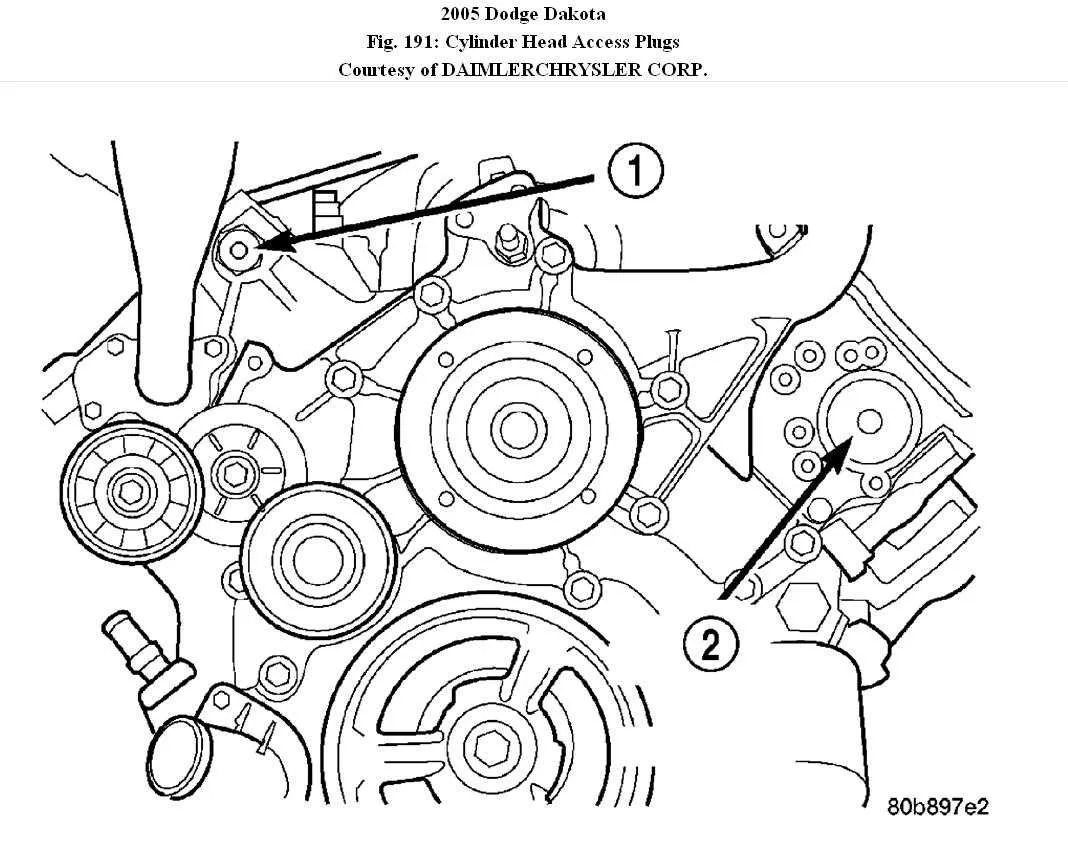
Locate the serpentine belt routing on your Dodge Durango by consulting the factory diagram specific to your engine type. For 3.6L V6 engines, the belt runs from the crankshaft pulley to the alternator, tensioner, idler, water pump, and A/C compressor in a clockwise direction. On 5.7L HEMI models, the routing includes a slightly different path with two idler pulleys and a distinct tensioner position.
Check the diagram printed under the hood or in the owner’s manual before removing the old belt. Aligning the new belt incorrectly can damage the alternator or water pump. Use a belt tensioner tool to relieve tension smoothly, avoiding sudden snapping that could harm the pulley system.
Confirm that each pulley grooves match the belt ribs. Misalignment leads to squealing noises and accelerated wear. Label each component in the diagram for visual reference and keep a spare belt handy. Following the diagram exactly ensures proper engine accessory operation and prevents unnecessary breakdowns.
Replace worn pulleys simultaneously to extend belt life. Inspect the tensioner for smooth movement and check for cracks or rust on idlers. A clear diagram lets you perform these checks quickly, minimizing engine downtime and maintaining reliable performance.
Dodge Durango Belt Diagram Guide
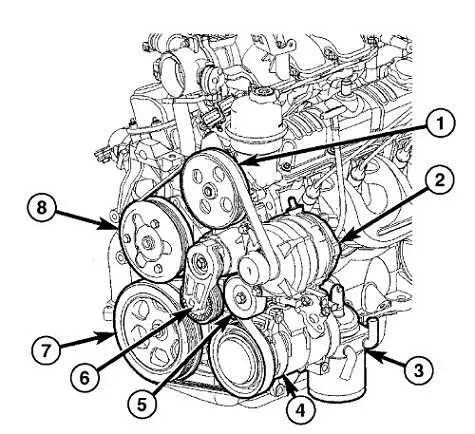
Check your Dodge Durango’s serpentine belt routing before removing the old belt. Proper alignment prevents accessory damage and engine misfires. Each engine type–3.6L V6, 5.7L HEMI V8, or 6.4L V8–has a distinct belt path that must match the diagram precisely.
Locate the belt diagram sticker under the hood or in the owner’s manual. If missing, use a reliable source to confirm routing. Follow these steps:
- Identify each pulley: alternator, water pump, power steering, AC compressor, crankshaft, and tensioner.
- Release tension using a wrench or serpentine tool on the tensioner pulley.
- Remove the worn belt carefully to avoid twisting or damaging any pulleys.
- Compare the new belt length with the old one to ensure proper fit.
- Route the new belt according to the diagram, starting at the crankshaft and working around each accessory in the correct order.
- Reapply tension and check alignment on all pulleys before starting the engine.
Pay attention to the tensioner position and spring compression. Misalignment can cause squealing, premature wear, or slipping. For models with dual belts, confirm that both belts follow their respective paths accurately.
Maintenance tips:
- Inspect pulleys for wear or wobble while replacing the belt.
- Replace the tensioner if it shows signs of weakness or rust.
- Keep the belt free from oil or coolant contamination, which reduces lifespan.
- Check belt condition every 50,000 miles; cracks or fraying indicate replacement is needed.
Following the exact belt diagram ensures smooth operation of alternator, AC, and power steering systems. Misrouting risks overheating, battery drain, or accessory failure.
Identifying the Correct Serpentine Belt for Your Durango Model
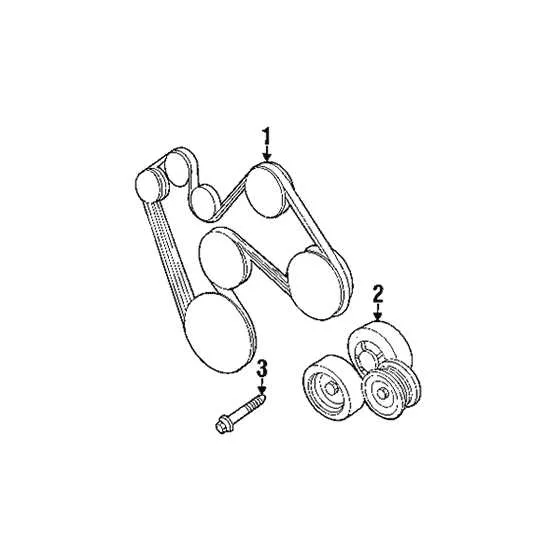
Check your Durango’s engine size and model year to determine the accurate serpentine belt. A 3.6L V6 from 2014 to 2020 requires a 6-rib belt measuring approximately 127 inches, while the 5.7L V8 models from 2011 to 2019 use a 7-rib belt around 135 inches long. Cross-reference the OEM part number located in the owner’s manual or on the existing belt; for example, Mopar part 68028325AA fits several 3.6L configurations.
Inspect the belt routing diagram under the hood or consult the service manual. The Durango belt layout differs between 2WD and AWD systems, and installing the wrong length or rib count can stress the alternator and tensioner. Use a belt tension gauge if available to verify proper tension after installation.
Consider high-quality replacement options from recognized suppliers like Dayco or Gates, ensuring compatibility with your exact engine variant. Avoid generic belts with unspecified rib counts, as misalignment can accelerate wear on pulleys and accessories.
Replace the belt alongside worn tensioners and pulleys. A new belt on aging components can slip or squeal, causing premature failure. Document your belt route with a photo before removal to simplify reinstallation and prevent misrouting.
Step-by-Step Layout of the Durango Belt Routing
Place the serpentine belt around the crankshaft pulley first, ensuring it sits fully in the groove. Route the belt upward to the alternator pulley, maintaining proper tension along the back side. Continue the path around the idler pulley, keeping the belt aligned to prevent slipping.
Guide the belt down to the power steering pump pulley, checking that it rests evenly across the surface. Loop it around the water pump pulley, confirming smooth contact with the pulley edges. Direct the belt around the tensioner pulley, using a wrench to slightly release tension and fit the belt securely.
Finish the routing by looping the belt over the air conditioning compressor pulley, then back to the crankshaft. Rotate the crankshaft pulley by hand for two full revolutions to ensure the belt tracks correctly and all pulleys move without binding. Inspect each pulley for proper alignment and adjust if necessary before running the engine.
Troubleshooting Common Belt Installation Issues
Check belt alignment immediately after installation. Misalignment often causes squealing and premature wear. Ensure the belt sits squarely on every pulley, especially the tensioner and idler pulleys.
Verify proper tension. A belt that is too tight can strain bearings, while a loose belt slips under load. Use a tension gauge or follow the Durango’s service manual specifications for correct deflection at the center span.
Inspect pulleys for debris or damage. Small rocks, rust, or grooves can quickly damage a new belt. Rotate each pulley by hand and feel for rough spots or wobble that may indicate a worn bearing.
Confirm routing against the official belt diagram. Even a single crossover error can cause rapid wear or failure. Trace the belt path visually and compare each loop around the alternator, AC compressor, water pump, and crankshaft pulley.
Listen for unusual noises during the first few minutes of engine operation. Chirping, squealing, or slapping sounds often indicate tension issues or misalignment that need correction before the belt settles into place.
Check for proper seating in pulley grooves. Belts that ride on the edge or partially off the pulley can fray or snap. Apply slight pressure along the edges to ensure the belt sits fully in each groove.
Retest after engine warm-up. Heat causes metal components to expand, which can change tension slightly. Recheck alignment and tension after a short drive to prevent issues from developing.