2010 Dodge Avenger Serpentine Belt Routing and Diagram Guide
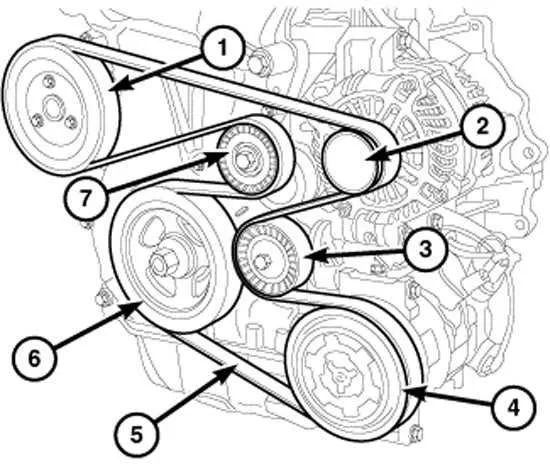
For anyone working on the 2010 Dodge Avenger, understanding the serpentine belt layout is crucial for smooth engine performance. The serpentine belt powers multiple engine components, including the alternator, power steering pump, air conditioning compressor, and more. Having a clear diagram at hand will make the replacement or inspection process quicker and easier.
The serpentine belt on the 2010 Dodge Avenger runs in a specific path, guided by various pulleys and tensioners. The layout may vary depending on the engine configuration (2.4L or 3.5L), but the basic routing follows a general pattern that is easy to follow once you have the diagram. Make sure to check the belt’s condition regularly for cracks, wear, or signs of slipping. A damaged belt can cause significant engine issues if not replaced on time.
Here’s a simplified view of the serpentine belt routing: It loops over the crankshaft pulley, the power steering pulley, alternator, air conditioning compressor, and tensioner. Always verify the diagram with the engine bay label, as certain models may have slightly different pulley setups.
Whether you’re replacing the serpentine belt or simply inspecting it, a detailed diagram will ensure you install it correctly. If you’re unsure about the condition of your belt or any pulleys, replacing it with a high-quality serpentine belt is a preventive measure that saves you time and trouble in the future.
2010 Dodge Avenger Serpentine Belt Diagram
For a quick and accurate reference to the serpentine belt routing on the 2010 Dodge Avenger, consult the factory diagram located under the hood. The diagram shows the correct positioning of the serpentine belt around pulleys and accessories. Pay attention to the alignment of the belt over the alternator, power steering pump, water pump, and air conditioning compressor.
If you need to replace the serpentine belt, start by identifying the belt tensioner. Use a wrench or a specific serpentine belt tool to relieve the tension, allowing you to remove the old belt. It’s a good idea to visually inspect the belt for wear before installation. The new belt should follow the exact routing shown in the diagram to avoid improper tension or damage to engine components.
Ensure the belt is installed with the correct orientation: the grooved side should face the pulleys that engage with it. Double-check the belt’s position on each pulley to avoid skipping or misalignment. Tighten the tensioner and verify that the belt sits properly before starting the engine.
Keep in mind, improper installation could lead to overheating, loss of power steering, or failure of other components driven by the serpentine belt. If unsure, seek professional assistance for a proper installation.
How to Locate the Serpentine Belt on a 2010 Dodge Avenger
Open the hood of your 2010 Dodge Avenger and locate the engine bay. The serpentine belt is positioned at the front of the engine, running over various pulleys. It’s a long, continuous belt that powers components like the alternator, power steering pump, and air conditioning compressor.
The belt is typically visible on the right side of the engine, where the alternator and power steering pump are located. Check for any tensioners or idler pulleys along the path, as these also interact with the serpentine belt. If needed, you can follow the belt’s route to ensure it is correctly aligned with each pulley.
If you’re having trouble finding it, look for the belt tensioner. The tensioner is a spring-loaded pulley designed to keep the serpentine belt taut. Once you’ve found the tensioner, the belt will likely be nearby, stretching over it and the other components.
For a clearer view, remove any obstructions like covers or plastic panels that might be blocking the serpentine belt’s path. A flashlight can help illuminate the area if needed.
Step-by-Step Instructions for Replacing the Serpentine Belt on a 2010 Dodge Avenger
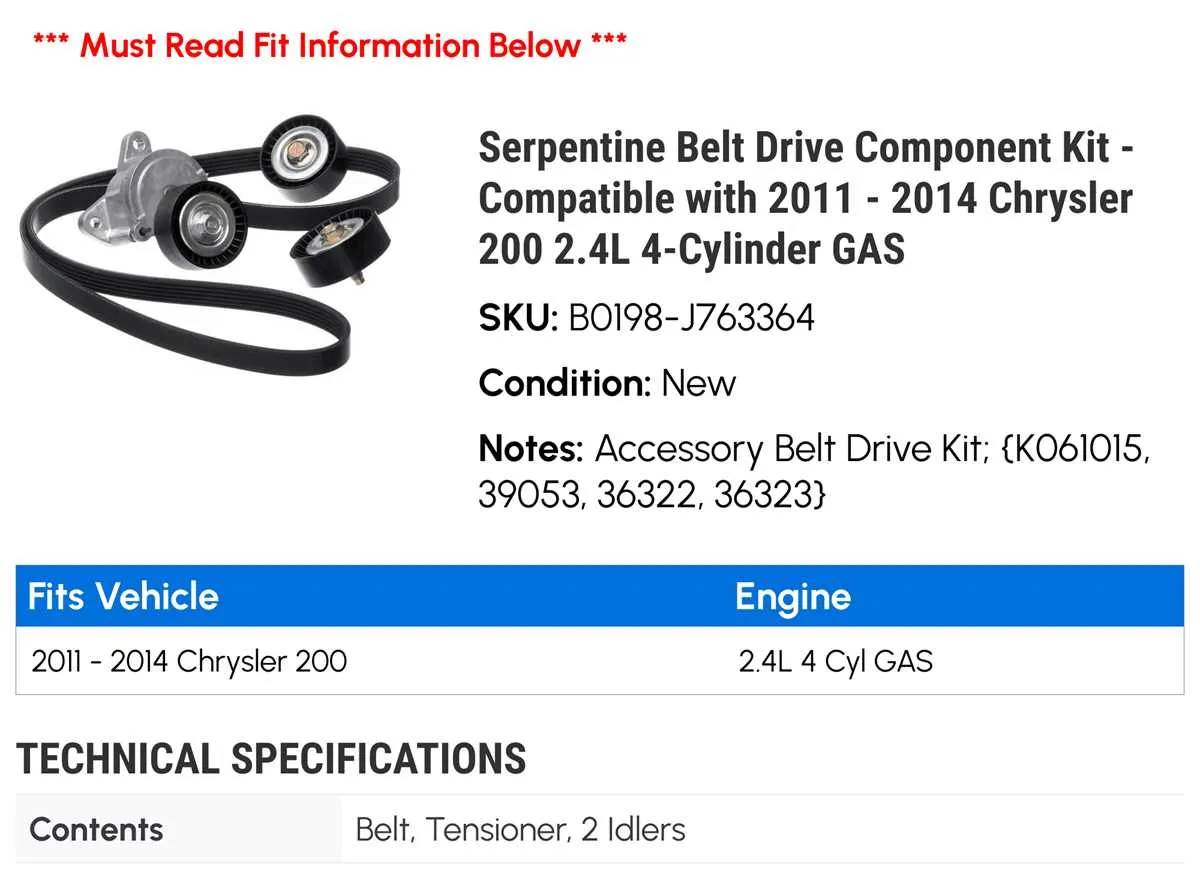
To replace the serpentine belt on a 2010 Dodge Avenger, follow these steps:
1. Gather Tools and Parts: You’ll need a new serpentine belt, a socket set, a ratchet wrench, a breaker bar, and a belt tensioner tool. Verify the belt size using the vehicle’s manual.
2. Disconnect the Battery: Before starting, disconnect the negative terminal of the battery to avoid any accidental electrical shorts.
3. Locate the Serpentine Belt: Open the hood and locate the serpentine belt. It runs through several pulleys, such as the alternator, power steering pump, and air conditioning compressor.
4. Release the Tension: Use a belt tensioner tool to relieve the tension on the serpentine belt. The tensioner pulley is usually spring-loaded. Rotate it counterclockwise to loosen the belt.
5. Remove the Old Belt: Once the tension is released, slide the old belt off the pulleys. Take note of the routing to ensure the new belt is installed correctly.
6. Install the New Belt: Position the new serpentine belt over the pulleys according to the diagram in the vehicle manual or on the radiator support. Make sure the belt follows the correct path for all pulleys.
7. Tighten the Tensioner: Rotate the belt tensioner back into position to apply tension to the new belt. Verify the belt is snug on all pulleys.
8. Inspect the Belt Alignment: Double-check the belt to ensure it is properly aligned on all pulleys and there are no twists or misalignments.
9. Reconnect the Battery: Reconnect the negative terminal of the battery.
10. Test the Engine: Start the engine and observe the belt’s operation. Make sure it runs smoothly without slipping or making unusual noises.
With the belt replaced, your 2010 Dodge Avenger should be good to go. If you encounter any issues, recheck the belt routing and tension before driving.
Common Issues with the Serpentine Belt System in the 2010 Dodge Avenger
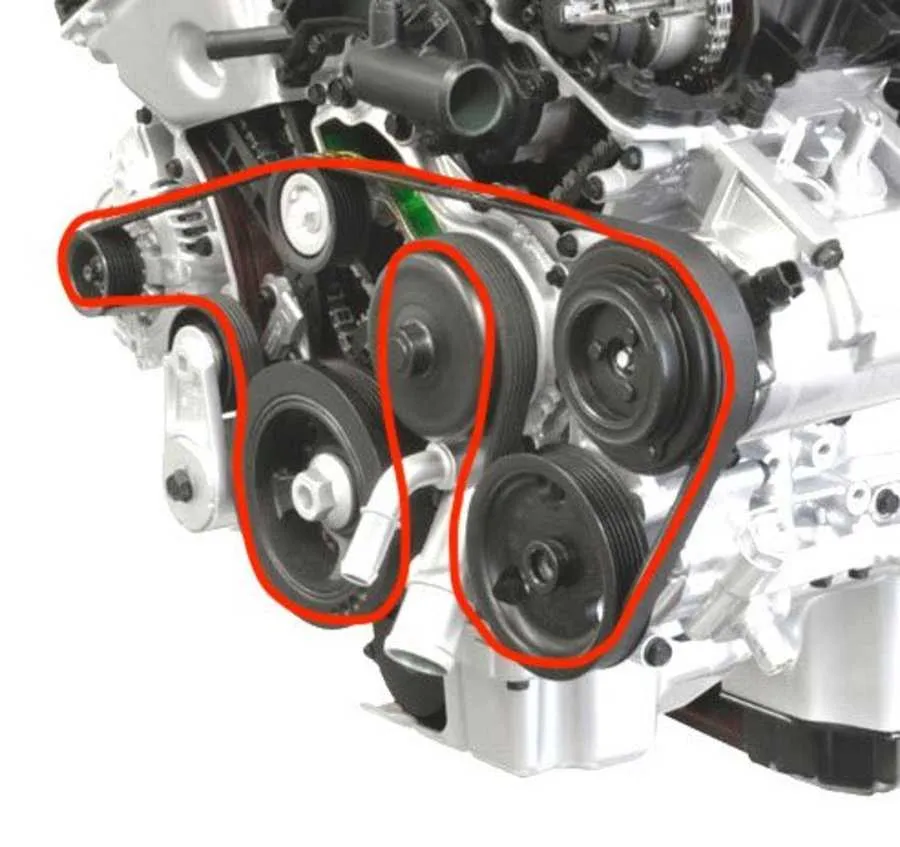
The serpentine belt system in the 2010 Dodge Avenger plays a key role in powering various components, such as the alternator, power steering pump, air conditioning compressor, and water pump. A few common issues with this system can lead to significant problems.
- Belt Wear and Tear: Over time, the serpentine belt can experience signs of wear like cracks, fraying, or stretching. Inspecting the belt regularly helps avoid potential failure.
- Misalignment: If the pulleys are not properly aligned, the belt may slip or wear unevenly. This can lead to reduced performance or belt failure. Regular inspection of pulley alignment is crucial.
- Broken Tensioner: A worn-out or broken tensioner causes the serpentine belt to lose tension, resulting in slipping or squealing noises. It’s important to replace the tensioner as soon as signs appear.
- Pulley Issues: Worn or damaged pulleys can cause excessive belt wear and even lead to the belt snapping. Inspecting the pulleys during maintenance can prevent this issue.
- Squealing or Chirping Sounds: A squealing sound when the engine is running might indicate belt slippage, misalignment, or a problem with one of the system’s components, like the tensioner or pulleys.
- Overheating: If the serpentine belt is slipping or broken, the engine’s cooling system can fail to operate properly, leading to overheating. Make sure the belt is in good condition to prevent this.
Regular inspections and immediate replacements of worn parts can prevent these issues from escalating into more severe engine problems. Pay attention to any unusual sounds or changes in vehicle performance to avoid larger repairs down the road.