2004 Dodge Ram Serpentine Belt Layout and Routing Diagram for Engine Components
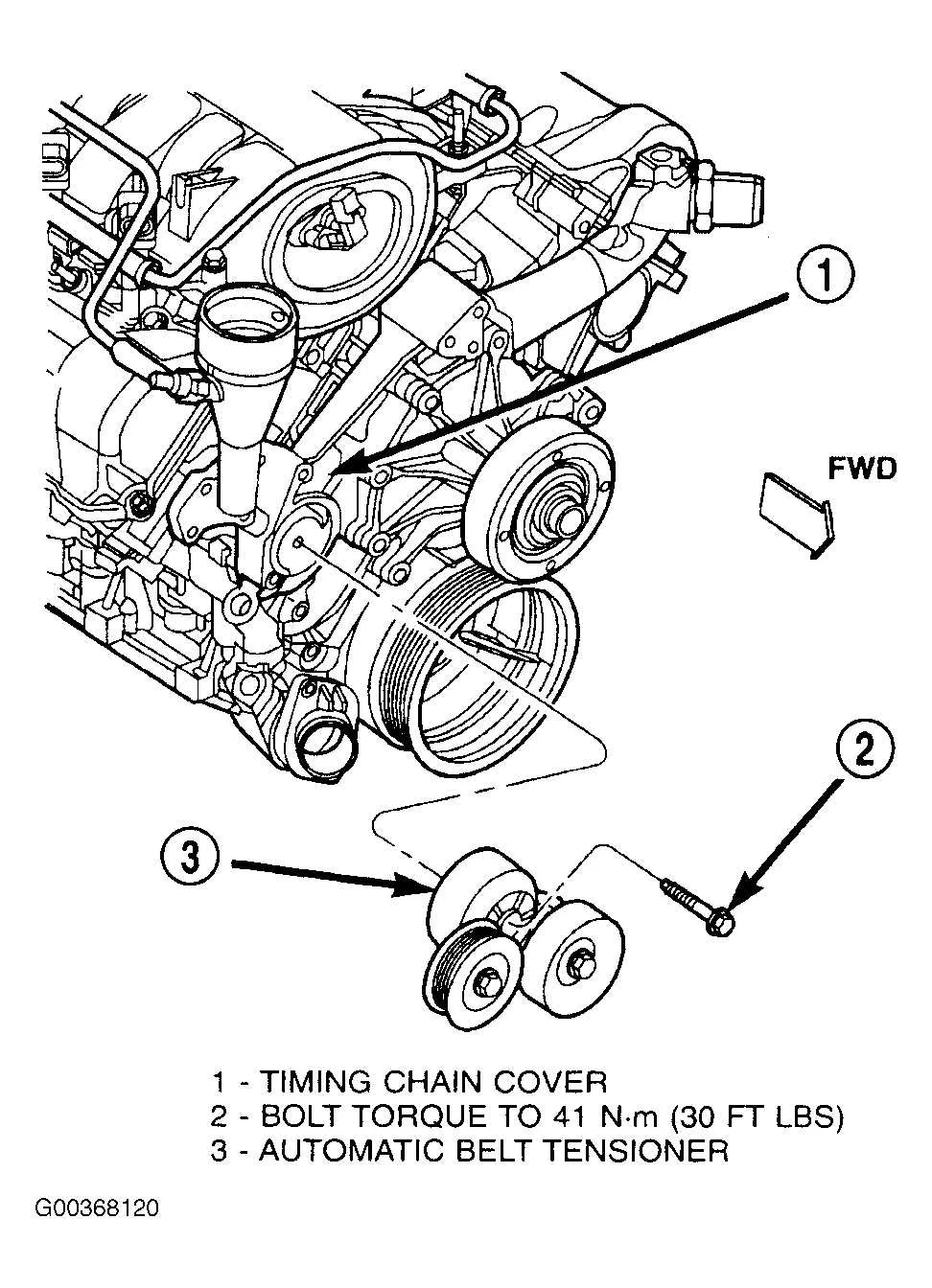
Check the serpentine belt routing before attempting any repairs on a 2004 Dodge Ram. Accurate alignment prevents premature wear and ensures accessories like the alternator, power steering pump, and air conditioning compressor function correctly.
Locate the belt diagram under the hood near the radiator support or on the underside of the hood panel. If missing, a factory service manual or online PDF provides a precise layout showing each pulley and the correct belt path.
Inspect each pulley and tensioner before installing a new belt. Look for signs of wear, misalignment, or rough rotation. Proper tension avoids slipping, reduces noise, and extends the life of both the belt and pulleys.
Route the belt according to the diagram, making sure it sits properly in every pulley groove. Use a wrench on the tensioner to relieve pressure during installation and slowly release it to apply even tension across the belt.
After installation, start the engine and observe the belt in motion. Ensure it runs smoothly without vibration, rubbing, or squealing. Adjustments may be necessary if any misalignment is detected, guaranteeing reliable operation of all accessory systems.
2004 Dodge Ram Serpentine Belt Diagram
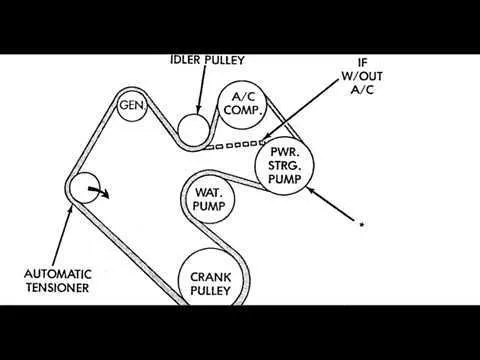
Install the serpentine belt on a 2004 Dodge Ram by following the routing diagram specific to your engine type. For the 4.7L V8, the belt wraps around the crankshaft pulley, alternator, power steering pump, A/C compressor, and idler pulleys in a precise sequence.
Use the tensioner pulley to relieve tension before slipping the belt into place. Ensure the belt sits fully in the grooves of each pulley to avoid slippage and premature wear.
- Crankshaft Pulley: Drives the entire system; place the belt here first.
- Alternator: Next, loop the belt around the alternator pulley, keeping tension steady.
- Power Steering Pump: Route the belt to maintain smooth steering assistance.
- A/C Compressor: Position the belt for proper air conditioning operation.
- Idler Pulley: Use it to guide the belt and maintain proper alignment.
- Tensioner Pulley: Adjust the tensioner to secure the belt snugly without over-tightening.
Double-check that the belt aligns with all pulley grooves. Turn the engine manually two full rotations to verify tension and alignment before starting. Replace the belt immediately if you notice cracks, fraying, or glazing.
Keep a diagram or take a photo before removing the old belt; this prevents misrouting and protects engine components from damage. Follow torque specifications for the tensioner to maintain consistent performance.
Locating and Identifying the Serpentine Belt Routing on a 2004 Dodge Ram
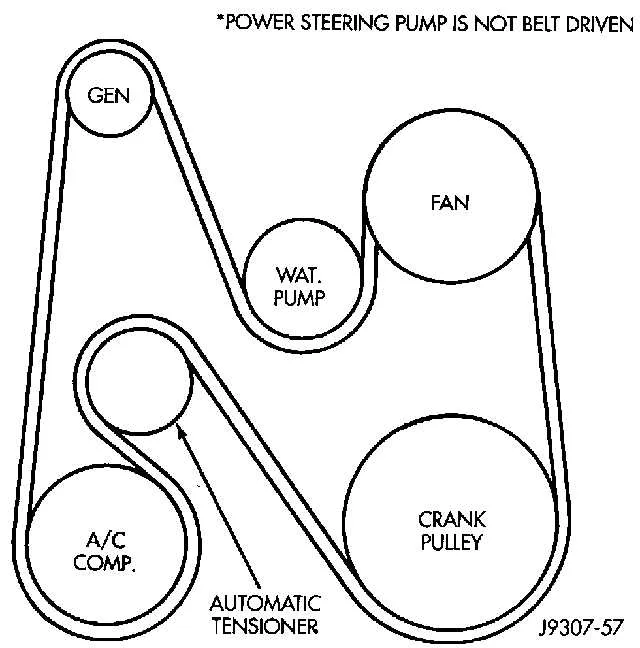
Locate the serpentine belt on the passenger side of the engine compartment, running over the alternator, power steering pump, water pump, and A/C compressor. Check the radiator-facing side of the engine for a routing diagram sticker; on most 2004 Dodge Ram models, it is positioned on the fan shroud or near the radiator support. This sticker clearly outlines the belt path, showing each pulley and tensioner placement.
If the diagram sticker is missing, trace the belt manually. Identify the crankshaft pulley at the bottom center of the engine, then follow the belt upward to the alternator on the upper passenger side. Next, route it around the tensioner pulley near the center, over the water pump, and down to the A/C compressor on the lower driver side. The belt should pass smoothly over all accessory pulleys without crossing or twisting.
Use a marker or take a photo before removing the belt to preserve the routing sequence. For easier installation, rotate the tensioner clockwise using a wrench or serpentine belt tool to relieve tension, slide the belt into position, and slowly release the tensioner. Double-check that the belt sits fully in the grooves of each pulley to prevent misalignment and premature wear.
Step-by-Step Guide to Removing and Installing the Serpentine Belt
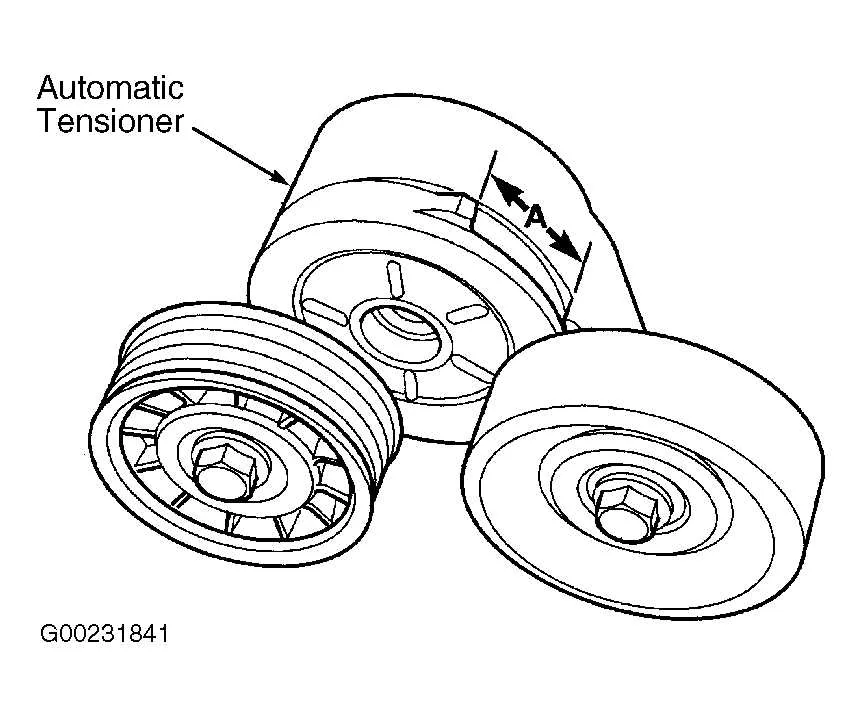
Locate the belt routing diagram on your 2004 Dodge Ram or in the service manual to trace the exact path. This ensures accurate installation and prevents misalignment.
Release tension by using a wrench or serpentine belt tool on the tensioner pulley. Rotate the tensioner away from the belt to create slack, allowing the belt to slip off the pulleys smoothly.
Remove the old belt carefully, noting any wear patterns. Inspect pulleys for damage or debris that could interfere with the new belt.
Compare belts to confirm the replacement matches length, width, and rib configuration. A mismatch can cause squealing or premature wear.
Route the new belt following the diagram exactly. Start with the crankshaft pulley and proceed to accessory pulleys, leaving the tensioner for last.
Apply tension by rotating the tensioner again and sliding the belt into place. Ensure it seats properly in all pulley grooves.
Double-check alignment by visually inspecting each pulley. A misaligned belt can slip or damage components quickly.
Test operation by starting the engine and observing the belt. Listen for unusual noises and watch for smooth movement across all pulleys. Adjust if necessary.
Troubleshooting Common Serpentine Belt Issues on a 2004 Dodge Ram
Inspect the belt for visible cracks, fraying, or glazing immediately if you hear squealing from the engine bay. A worn serpentine belt can slip on pulleys, reducing alternator output and power steering performance. Check the tensioner; the 2004 Dodge Ram uses an automatic tensioner that can weaken over time, causing slack that leads to belt misalignment.
Examine all accessory pulleys for wobbling or rough rotation. A seized idler or alternator pulley often damages the belt quickly. Rotate each pulley by hand and listen for grinding or notice resistance that feels uneven. Replace any pulley that does not spin freely.
Confirm belt routing matches the factory diagram for the 5.7L HEMI or 4.7L V8 engine. Misrouting creates abnormal stress, producing squealing or rapid wear. Align the belt so that ribbed sides contact the pulleys’ grooves correctly and the smooth side faces flat surfaces.
Use a torque wrench to verify tensioner spring pressure is within specifications–typically 70–90 lb of deflection at the midpoint of the longest belt span. Over-tensioned belts accelerate bearing wear, while under-tensioned belts slip, causing noise and accessory inefficiency.
Listen for irregular squeaks at startup or during acceleration. Belt noise can indicate contamination from oil or coolant. Clean pulleys with a degreasing agent and replace the belt if the surface shows glazing or hardened spots. Avoid spraying lubricant on the belt itself, which can worsen slippage.
Schedule belt replacement every 60,000 miles or sooner if visible damage appears. Keeping a spare serpentine belt and the correct diagram in the glove compartment simplifies roadside troubleshooting and prevents engine accessory failure during travel.