2003 Dodge Ram 1500 Serpentine Belt Diagram and Routing Guide
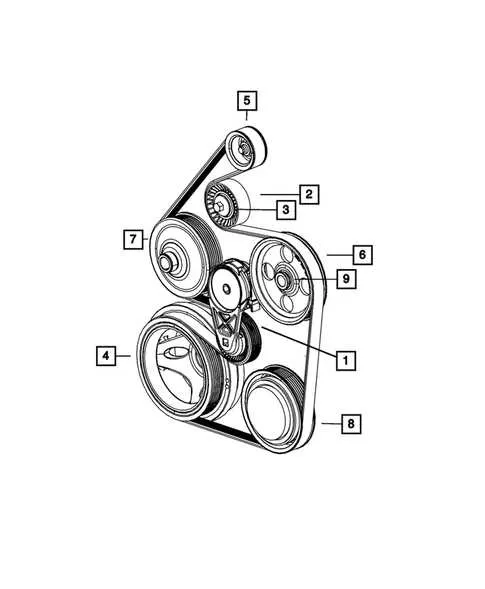
If you’re replacing or inspecting the serpentine belt on your 2003 Dodge Ram 1500, having an accurate diagram is key. This visual guide will show you exactly how the belt should route through the various pulleys. It’s a great reference for DIY mechanics looking to perform routine maintenance or troubleshoot belt-related issues.
Make sure to check for any wear on the belt and pulleys. A worn serpentine belt can cause a range of problems from poor performance to complete engine failure. The diagram will help you identify the correct path, ensuring smooth operation of your vehicle’s components such as the alternator, power steering, and AC compressor.
Before starting, ensure the engine is off and cool. Having the right tools, like a belt tensioner tool, can make the job easier. With the right diagram and preparation, you can replace the serpentine belt with confidence and keep your Dodge Ram running smoothly.
2003 Dodge Ram 1500 Serpentine Belt Diagram
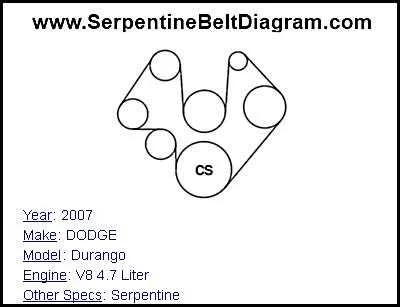
For proper maintenance and smooth engine performance, ensure the serpentine belt on your 2003 Dodge Ram 1500 is correctly routed. Here’s the layout for the belt routing:
- The serpentine belt loops around the crankshaft pulley, the alternator, the power steering pump, the air conditioning compressor, and the water pump.
- The tensioner pulley applies the necessary tension to keep the belt tight and avoid slippage.
- Make sure the belt passes through the idler pulley, which helps guide the belt and prevent misalignment.
Refer to the diagram for the precise path of the belt to ensure all components are connected as intended. Proper tension is critical, so check the tensioner and replace the belt if it’s worn or cracked. Regular inspection helps prevent breakdowns and ensures reliable vehicle performance.
How to Identify the Correct Serpentine Belt Routing for 2003 Dodge Ram 1500
Begin by locating the serpentine belt diagram. For the 2003 Dodge Ram 1500, this is often found on a sticker near the front of the engine bay, either on the radiator support or the fan shroud. If the diagram is missing or unreadable, you can refer to the owner’s manual or service manual for the correct routing instructions.
Examine the tensioner pulley. It’s a spring-loaded pulley that keeps the serpentine belt tight. In most cases, the tensioner pulley should be positioned directly opposite the drive pulley. If the tensioner is not aligned properly, it can prevent the belt from running smoothly.
Route the belt around the alternator, power steering pump, and air conditioning compressor. Ensure that each component is properly engaged with the belt and that the belt runs in a continuous loop. Pay close attention to the direction of the pulleys; the belt must wrap around them in the correct orientation, or it won’t function correctly.
Check the idler pulley. This pulley is typically located near the center of the engine and helps guide the belt. It should also be in the path of the serpentine belt, maintaining tension as it moves around the system.
Finally, inspect the belt’s position on each pulley. The belt should sit in the grooves of each pulley, not sitting on the outer edge. A belt that is too loose or improperly aligned may cause wear or slipping, reducing its efficiency.
Common Issues with Serpentine Belt and How to Fix Them on 2003 Dodge Ram 1500
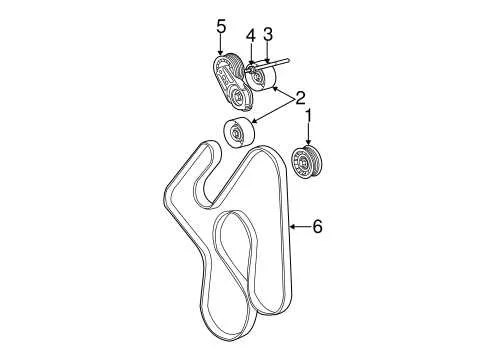
If your 2003 Dodge Ram 1500’s serpentine belt is squealing or snapping, it’s time to act fast. Common problems include wear, misalignment, and tension issues. Here’s how to address each one:
1. Worn-Out Belt
Over time, the serpentine belt can crack or fray due to constant friction and exposure to heat. Check the belt regularly for visible signs of wear. Replace it immediately if any cracks or visible damage appear. A new belt will restore proper function to the engine and prevent slipping.
2. Belt Slippage
If the belt is slipping, it might be due to a loose tensioner or worn-out pulleys. First, inspect the tensioner. If it’s not maintaining the correct tension, replace it. Ensure all pulleys are in good shape–any wobble or unusual noise may indicate a faulty pulley. Replace as necessary to maintain proper tension and prevent further damage.
3. Misaligned Belt
A misaligned serpentine belt can cause premature wear and even lead to a snapped belt. If the belt is tracking off-center or riding on the edge of pulleys, check the pulleys and tensioner for wear or damage. Realign or replace the affected components to ensure proper tracking.
4. Squealing or High-Pitched Noise
Squealing noises usually indicate that the belt is slipping or that the pulleys are misaligned. This can happen if the belt has lost its grip or if the pulleys have become worn. Tighten the tensioner or replace any worn pulleys to resolve the issue.
5. Tensioner Failure
The tensioner keeps the serpentine belt under proper tension. If it fails, it can cause the belt to be too loose, leading to slipping or complete loss of power to accessories. Replace the tensioner if it’s no longer functioning smoothly. Check for any resistance or difficulty in movement during inspection.
Regular inspection and maintenance of your serpentine belt can prevent costly repairs and keep your 2003 Dodge Ram 1500 running smoothly. Make sure to follow these steps at the first sign of trouble.
Step-by-Step Guide to Replacing the Serpentine Belt on 2003 Dodge Ram 1500
Start by disconnecting the negative battery terminal to ensure safety during the repair process.
Locate the serpentine belt diagram on the radiator support or under the hood. This will provide a visual guide for routing the new belt.
Use a ratchet or breaker bar with the appropriate socket size to loosen the tensioner pulley. The tensioner may be on the passenger side of the engine, near the power steering pump or alternator. Rotate the tensioner in the direction indicated in the diagram to relieve tension on the belt.
Once the tension is released, remove the old serpentine belt. Carefully inspect all pulleys for wear or damage while the belt is off. Any issues with pulleys should be addressed before installing the new belt.
Align the new serpentine belt according to the diagram. Ensure that the belt runs correctly over each pulley, with the proper routing to prevent misalignment.
Once the belt is in place, rotate the tensioner pulley again to release the tension and allow the belt to settle into position. Double-check the belt’s alignment on all pulleys.
Reconnect the negative battery terminal, start the engine, and verify that the serpentine belt operates smoothly. Listen for unusual noises and ensure there are no slipping or misalignment issues.
If everything checks out, the replacement is complete and your 2003 Dodge Ram 1500 is ready for the road.