John Deere L130 Belt Diagram and Configuration Guide
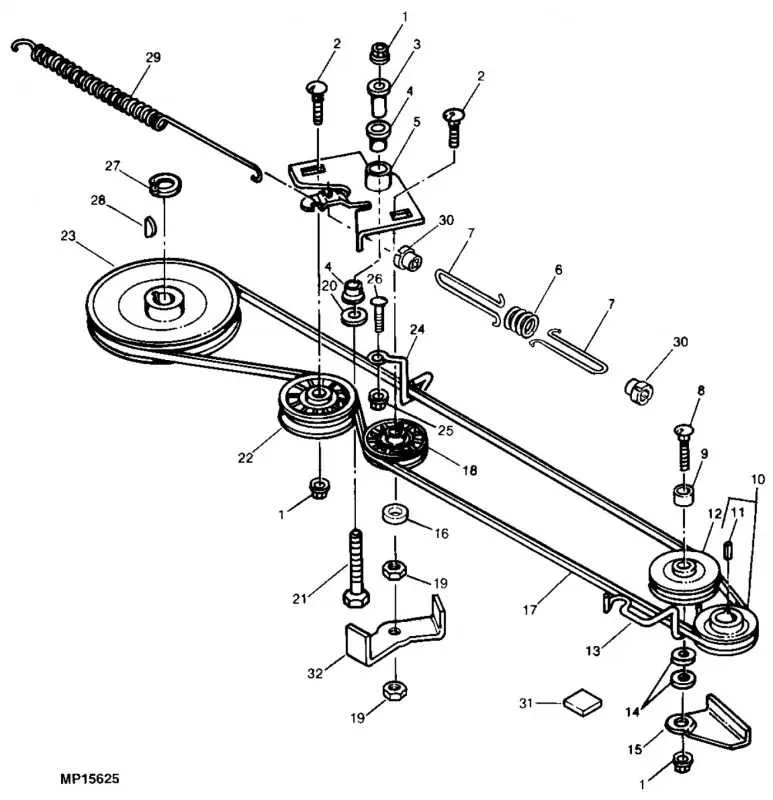
Refer to the L130 John Deere belt diagram for precise instructions on the correct belt routing for your mower. This diagram shows the exact positions of the belts, pulleys, and other components, ensuring a smooth and efficient operation.
To replace or inspect the belts, follow the diagram closely to avoid misalignment and ensure the belts run smoothly. Regular inspection and proper installation of the belts will help maintain the longevity of your machine.
Check the condition of the belts periodically, especially the drive belt and mower deck belt. Replace any worn or damaged belts to prevent unnecessary wear on the pulleys and other related parts. Refer to the manual for additional maintenance steps.
L130 John Deere Belt Diagram
Refer to the L130 John Deere belt diagram for a clear understanding of how the drive belts should be routed. The diagram shows the exact path for both the main and secondary belts, ensuring that they are positioned correctly for optimal performance.
To replace the drive belts, start by lifting the mower deck. Remove the battery for safety, then proceed to detach the old belts by releasing the tension from the idler pulleys. Follow the diagram to install the new belts, ensuring they are properly seated on all pulleys and tensioned correctly.
The diagram also illustrates the specific routing for the blades’ drive belts, which must be aligned to maintain proper blade rotation and cutting performance. Verify that the belts are not twisted or damaged during installation, as this can affect their longevity and mower efficiency.
Use the diagram to identify key parts, such as the idler pulleys, tensioner, and spring mechanisms. Check for any wear or damage to these components before reassembly to avoid unnecessary repairs later.
If the mower’s belt is slipping or if you’re experiencing issues with the cutting height, recheck the diagram to ensure all parts are correctly installed and tensioned according to the specifications.
Understanding the Belt Layout for L130 John Deere Mower
The L130 John Deere mower belt system is straightforward, but it requires careful attention during installation and maintenance. To ensure smooth operation, confirm the correct belt routing as outlined in the diagram. The deck drive belt connects the engine pulley to the mower blades, while the transmission belt transfers power to the wheels.
Start by checking the engine pulley; this is where the drive belt originates. It should loop around the main deck drive pulley and then around the idler pulleys. The tension on the belt needs to be tight but not excessive to avoid damage to the pulleys or engine.
The transmission belt connects the engine to the transmission drive pulley. Make sure the routing follows the recommended path to avoid interference with other components. The belt should be checked for wear, and if it appears frayed or damaged, replace it immediately to prevent further issues.
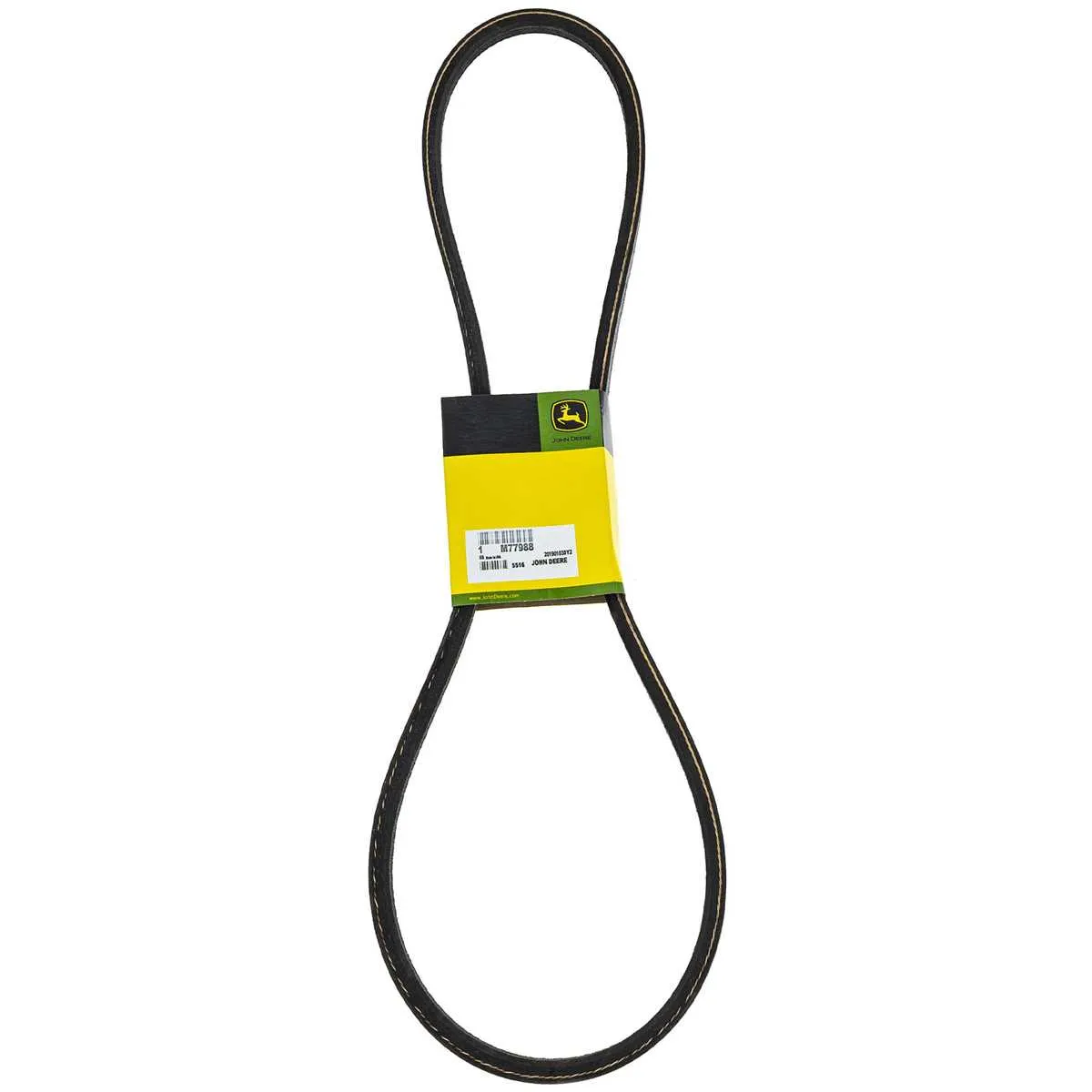
When replacing or adjusting belts, always use genuine John Deere parts. Non-original belts may not fit correctly or perform as expected, potentially leading to premature wear or malfunction.
Regularly inspect the belt tension. A slack belt can cause the mower to lose power or not engage the blades fully. If you notice any loss of power or uneven cutting, the belts may need to be adjusted or replaced.
In summary, the belt system on the L130 is simple but demands correct routing and tensioning. Always consult the belt diagram for proper installation to ensure your mower performs optimally.
Steps to Properly Install the Belts on the L130 John Deere
Before beginning, make sure the mower is turned off and the engine is cool. Wear gloves to avoid injury when handling the belts.
- Lift the Mower Deck: Use the deck lift lever to raise the deck to the highest setting. This provides access to the belts and pulleys.
- Remove the Old Belts: If replacing the belts, remove the old ones by loosening the tension. Start by detaching the spring-loaded idler pulley, then carefully slide the belts off the pulleys. Take note of the belt routing for later reference.
- Install the New Belts: Begin by placing the new belt on the lower pulleys first. Ensure the belt aligns correctly in the grooves of each pulley. Then, work the belt over the top pulleys while following the routing diagram.
- Check Belt Tension: Once the belts are in place, check the tension. They should have a slight amount of slack but should not be loose. Adjust the tension by moving the idler pulley as necessary.
- Reattach the Idler Pulley: Secure the spring-loaded idler pulley back into position. Ensure it moves freely without excessive force.
- Test the System: Lower the deck back to its original position. Start the mower and engage the blades to ensure the belts are functioning smoothly. Listen for any unusual noises that may indicate improper installation.
Regularly check the belts for wear and tear. Replace them promptly to maintain optimal performance.
Common Belt-Related Issues and How to Troubleshoot Them on L130
If the belt on your John Deere L130 starts slipping or breaks, the issue is often related to one of these common causes: tension problems, wear, or misalignment.
Check the belt tension. If the belt feels loose, it might not be properly tensioned. Use the tension spring on the deck to adjust it. A belt that’s too loose will slip off or fail to engage the mower blades correctly. To tighten the tension, inspect the spring for any signs of damage and replace if necessary.
Worn belts can also cause slipping or poor performance. Look for cracks, fraying, or stretching in the belt. A worn belt should be replaced with an OEM part that matches the model. Always double-check that the replacement is the correct size for your L130 to avoid future issues.
Misalignment can occur over time due to normal use or after replacing other components. Inspect the belt path, pulleys, and idlers for any signs of misalignment. Misalignment often causes the belt to rub against surfaces, leading to premature wear or slipping. Ensure all components are correctly positioned and replace damaged pulleys or idlers.
Examine the pulleys for any signs of damage, rust, or dirt build-up. Dirty or corroded pulleys can cause increased friction, which affects the belt’s performance. Clean the pulleys and ensure they rotate freely. If the pulleys show signs of wear, replace them promptly.
Finally, check the deck level. An unlevel deck can cause the belt to wear unevenly, which impacts both its lifespan and mowing performance. Adjust the deck to ensure it is level with the ground before operating the mower again.