John Deere LX280 Belt Diagram and Maintenance Guide
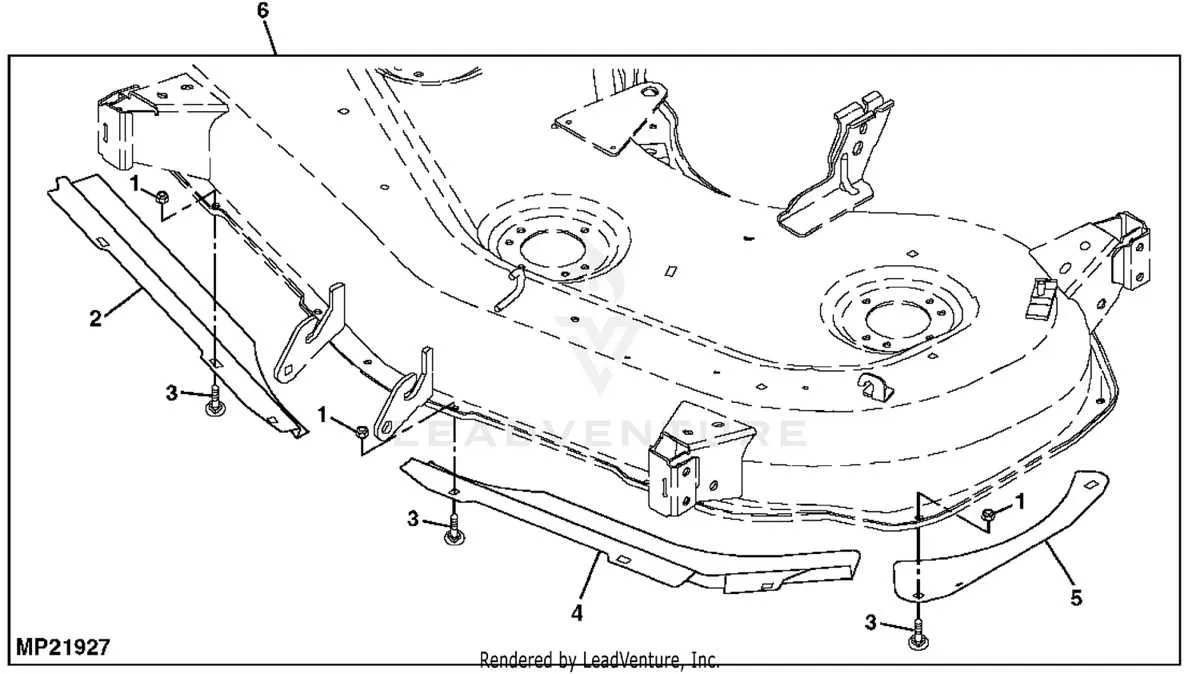
If you’re looking to replace or inspect the belt system on your John Deere LX280 lawn tractor, the belt diagram is an invaluable resource. It clearly illustrates how the belts are routed and which components they interact with, making it easier for you to troubleshoot or perform maintenance tasks. A proper understanding of this diagram will save time and prevent any unnecessary disassembly.
Before you begin, gather the right tools for the job, including a wrench set and replacement belts. Referencing the belt diagram will help ensure that each belt is positioned correctly, minimizing the risk of malfunction or wear. Pay attention to specific belt sizes and routing paths as incorrect installation can lead to damage or operational issues.
The diagram shows the correct path for both the drive and mower belts, covering key parts like pulleys, tensioners, and the engine. The drive belt connects the engine to the transmission, while the mower belt operates the blades. Ensure that both belts are routed through the correct pulleys and that they have the right amount of tension to perform optimally.
John Deere LX280 Belt Diagram
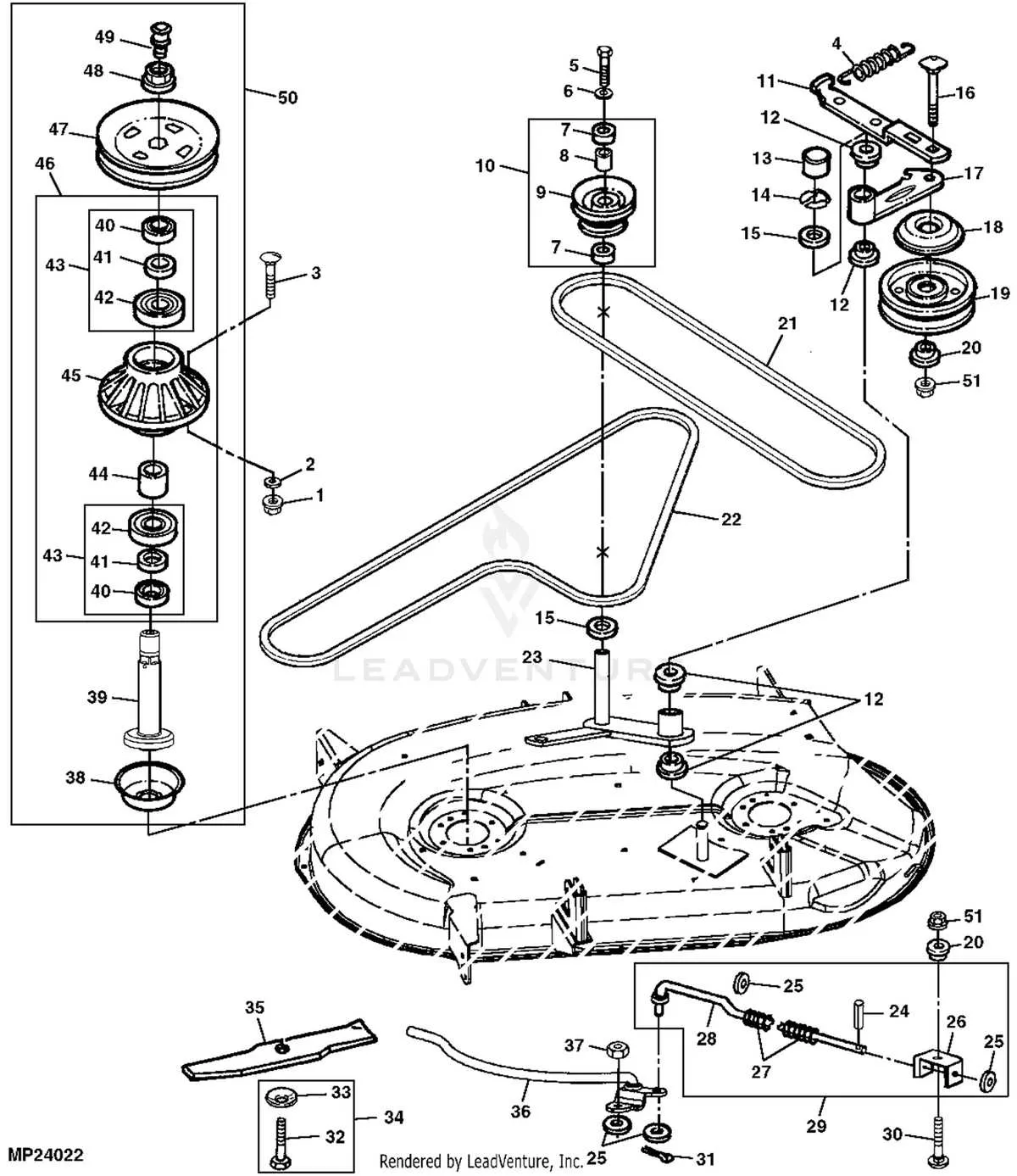
When replacing the belts on a John Deere LX280, it’s critical to follow the correct routing to ensure smooth operation. Start by removing the mower deck. Locate the idler pulleys and the spindles that guide the belts. The main drive belt runs from the engine pulley to the transmission, while the mower deck belt loops around the spindles and idler pulleys to power the blades.
For the correct belt routing, begin at the engine pulley. The belt should pass through the idler pulleys on either side, then loop around the transmission pulley. Make sure the belt fits snugly around the tensioner, as proper tension is needed to prevent slipping and ensure efficient power transfer.
The deck belt should be routed through the mower deck’s pulleys. Double-check the positioning of the tensioner and idler pulleys to ensure that the belt is not too tight or too loose. A tight belt can cause excessive wear, while a loose belt may slip and cause the blades to underperform.
After installing the belts, manually rotate the pulleys to confirm proper alignment. If any resistance is felt, recheck the routing and tension. Once the belts are correctly aligned, reassemble the mower deck and test the machine to confirm everything is running smoothly.
Refer to your John Deere LX280 owner’s manual for specific belt part numbers and additional diagrams to verify your work. If you’re unsure about the belt tension or alignment, consider consulting a professional for assistance.
Understanding the Belt Routing for the John Deere LX280 Lawn Tractor
To maintain the performance of your John Deere LX280 lawn tractor, accurate belt routing is crucial. The correct belt arrangement ensures smooth operation and prevents unnecessary wear and tear. Follow these steps to properly route the drive belts for optimal performance.
Start by locating the primary drive belt, which connects the engine pulley to the transmission pulley. Ensure it loops around the engine pulley first, then runs to the transmission, where it will be secured. Pay special attention to the tensioning mechanism–this should be tight enough to prevent slipping but not so tight as to strain the components.
Next, position the deck belt. This belt drives the mower deck and is connected to the engine pulley via a series of idler pulleys. Ensure that it follows the correct path around the deck spindles and engages properly with the deck pulleys. Be sure to check that the belt isn’t rubbing against any of the deck’s metal parts, which can cause premature wear.
Inspect the secondary drive belt that connects the transmission to the mower deck. This belt should pass around a set of pulleys mounted on the deck lift assembly, allowing for smooth motion and height adjustments. If this belt is not correctly routed, the mower deck might fail to adjust properly.
As a final step, check for any frayed or damaged areas on the belts and replace them if necessary. Adjust the belt tension if required, ensuring that they are properly aligned and not twisted. Double-check that all pulleys are in their correct position to avoid excessive wear.
By ensuring that each belt follows its designated path, you’ll maintain a reliable and smooth-running lawn tractor, extending its lifespan and improving its cutting efficiency.
How to Replace the Belt on John Deere LX280: Step-by-Step Guide
To replace the belt on your John Deere LX280, follow these clear steps:
- Lift the mower deck: Raise the mower deck to its highest position using the deck lift lever. This provides easy access to the belt and pulleys.
- Remove the deck: Disconnect the deck from the tractor by removing the deck lift pins and any support brackets that hold it in place.
- Locate the worn belt: Find the old belt and inspect its condition. You will see it running around the pulleys of the engine, spindles, and idler pulleys.
- Remove the old belt: Use a wrench to loosen the tension on the idler pulley. Once the tension is relieved, carefully slide the belt off the pulleys. Take note of how it’s routed for reassembly.
- Install the new belt: Begin by threading the new belt around the pulleys, following the exact routing of the old belt. Be sure the belt fits snugly in the grooves of the pulleys.
- Reapply tension: Adjust the idler pulley to apply the necessary tension on the new belt. Ensure the belt is taut but not overly tight.
- Reassemble the deck: Reattach the mower deck to the tractor, making sure all brackets and pins are securely fastened.
- Test the mower: Start the engine and engage the mower deck. Check for proper belt movement and listen for any unusual noises.
By following these steps, you’ll have your John Deere LX280 running smoothly with a new belt in no time.
Common Belt Issues in John Deere LX280 and How to Fix Them
One of the most frequent issues with the John Deere LX280 belt system is belt slippage. This typically occurs due to worn-out pulleys, a misaligned belt, or insufficient tension. Check the tensioner for proper adjustment and inspect the belt for any signs of wear. If the belt has become too loose, tightening the tensioner can often solve the problem. If the belt shows signs of cracks or fraying, replacing it is necessary.
Another common problem is belt wear caused by debris accumulation. Grass clippings, dirt, and other debris can clog the belt path, leading to accelerated wear. Regularly clean the belt area and ensure there are no blockages around the pulleys. A quick wipe-down after every few uses can extend the life of the belt.
Overheating is another culprit behind belt damage. When the belt gets too hot, it can stretch or crack. Inspect the cooling system for any obstructions that might hinder airflow. Cleaning the cooling fins and ensuring the engine runs at the proper temperature helps prevent excessive heat buildup, which could damage the belt.
If you hear a squealing sound during operation, the belt may be misaligned or too tight. Check the alignment of the pulleys and ensure that they are in proper position. Misalignment can cause uneven wear and reduce belt life. In some cases, the pulley bearings could be worn, so check for smooth rotation of each pulley and replace any that show signs of damage.
Lastly, be aware of the belt tensioner itself. If the tensioner is malfunctioning, it can lead to improper belt tension, causing performance issues. Inspect the spring mechanism to ensure it’s providing the correct pressure. If the spring is weak or damaged, replacing the tensioner may be necessary.