John Deere LT155 Deck Belt Diagram and Installation Guide
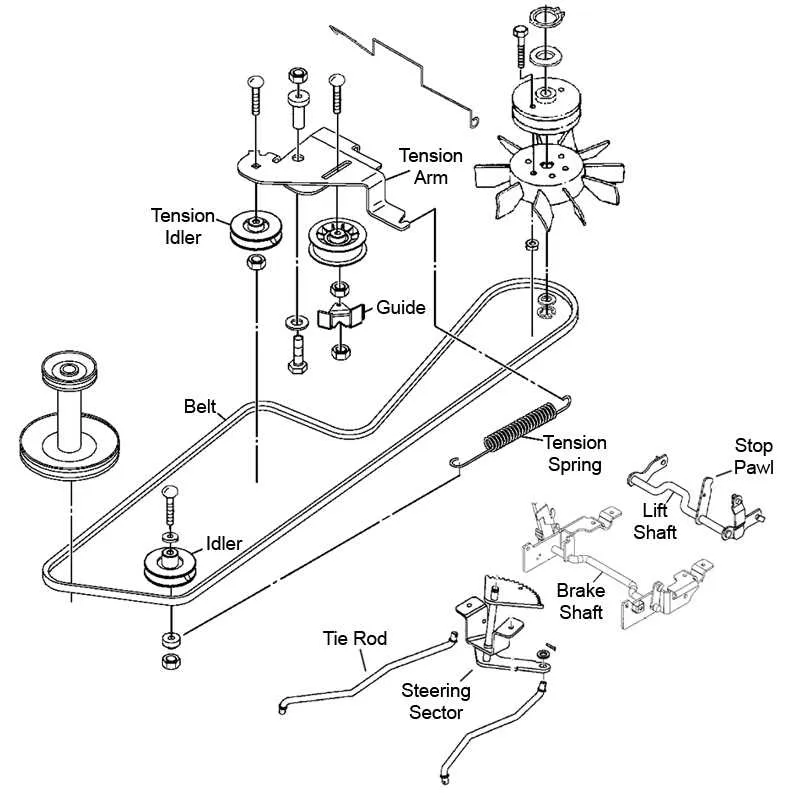
If you’re replacing the deck belt on a John Deere LT155, having a clear diagram can save time and reduce mistakes. The belt routing is critical for proper mower function, ensuring optimal performance and longevity. Below, you’ll find a straightforward diagram of the LT155 deck belt system.
The deck belt on the LT155 connects the engine to the cutting blades, driving them for effective grass cutting. The belt should be routed in a specific way to avoid excessive wear and ensure smooth operation. Carefully follow the diagram for correct belt positioning around pulleys, spindles, and idlers.
When replacing the belt, check the condition of the pulleys and idlers as well. Worn-out pulleys can cause the belt to slip or wear unevenly. Regular maintenance, including replacing the deck belt at the first sign of damage or wear, helps maintain the mower’s performance and avoids costly repairs.
John Deere LT155 Deck Belt Diagram
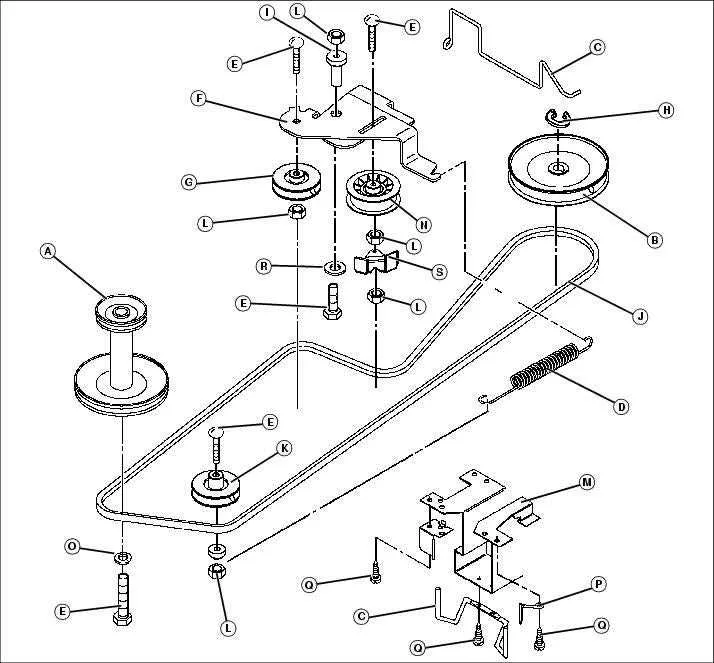
To replace or repair the deck belt on a John Deere LT155, refer to the following diagram to ensure correct routing. The belt travels through various pulleys, including the engine pulley, idler pulleys, and the mower deck pulleys. Make sure the belt fits snugly in all grooves to avoid slippage and wear.
Key steps:
1. Start by removing the deck from the tractor. Loosen the fasteners securing the deck and carefully detach it.
2. Identify the pulleys on the deck, engine, and idlers. The belt should run from the engine pulley to the deck pulleys, passing through the idler pulleys in between.
3. Follow the diagram closely to route the new belt around the pulleys. Ensure the belt’s path mirrors the diagram to avoid improper alignment and premature wear.
Tips for installation:
Make sure the belt is seated correctly on each pulley. If the belt is too tight or loose, adjust the idler pulleys. Once the belt is installed, manually rotate the deck to ensure the belt moves freely without any binding.
For exact belt measurements and part numbers, refer to the John Deere LT155 owner’s manual or consult with a local John Deere dealer.
How to Identify the Correct Deck Belt for LT155 Model
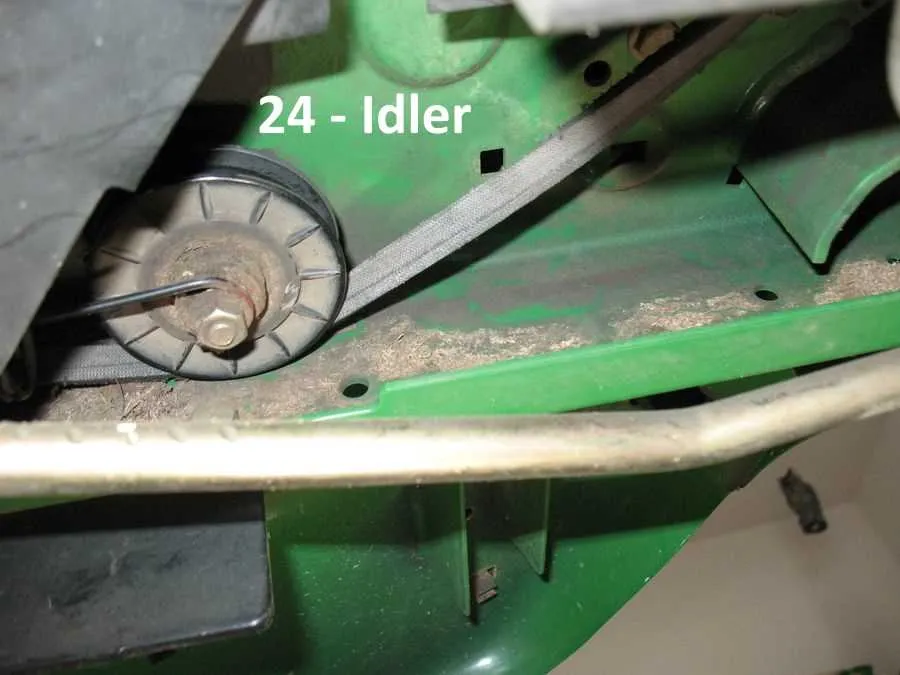
Locate your LT155’s model and serial number on the frame or under the hood. Use this to cross-check the specifications for your mower’s deck size (usually 38 or 42 inches). The correct belt length typically ranges from 102 to 106 inches, and the width is usually 1/2-inch.
Check the part number in your user manual or by visiting John Deere’s parts catalog. This will match the exact belt for your mower’s deck configuration. The LT155 uses a durable rubber belt designed for long-lasting performance, with reinforcement to handle the high demands of the cutting system.
Verify the pulley routing guide and deck system to ensure correct installation. Misrouting the belt can lead to poor performance or damage. If you’re uncertain, consult a dealer for the exact part number or to confirm compatibility.
Step-by-Step Guide to Replacing the Deck Belt on John Deere LT155
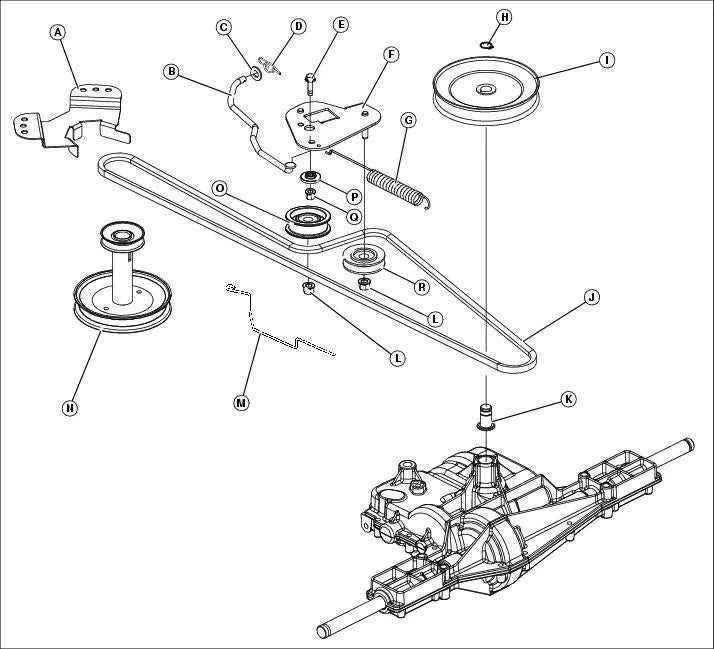
1. Disconnect the Battery: Always disconnect the battery before working on any part of your mower to avoid electrical accidents.
2. Raise the Mower Deck: Use the deck lift lever to raise the mower deck to its highest setting. This gives you more space to work under the mower.
3. Remove the Old Belt: Locate the belt around the pulleys. Begin by loosening the tension on the belt. You can do this by removing the belt guide and then slowly pulling the belt off the pulleys, starting from the engine pulley.
4. Inspect the Pulleys: Check each pulley for wear, damage, or debris. Clean them with a cloth and replace any damaged pulleys to prevent further issues.
5. Install the New Belt: Align the new deck belt with the pulleys. Start by placing it around the engine pulley, then work your way around the other pulleys. Make sure the belt fits snugly in the grooves and is not twisted.
6. Reattach the Belt Guide: Once the belt is properly positioned, reattach the belt guide to keep the belt in place during operation.
7. Adjust the Tension: Ensure that the tensioner is properly set to maintain the correct belt tension. If the belt is too loose, it can slip off during use. If it’s too tight, it may wear out prematurely.
8. Lower the Mower Deck: Once everything is in place, lower the mower deck back down to its normal operating height.
9. Reconnect the Battery: Finally, reconnect the battery, and you’re ready to test the mower. Start the engine and engage the blades to ensure the belt is running smoothly.
Common Issues with Deck Belts on John Deere LT155 and How to Fix Them
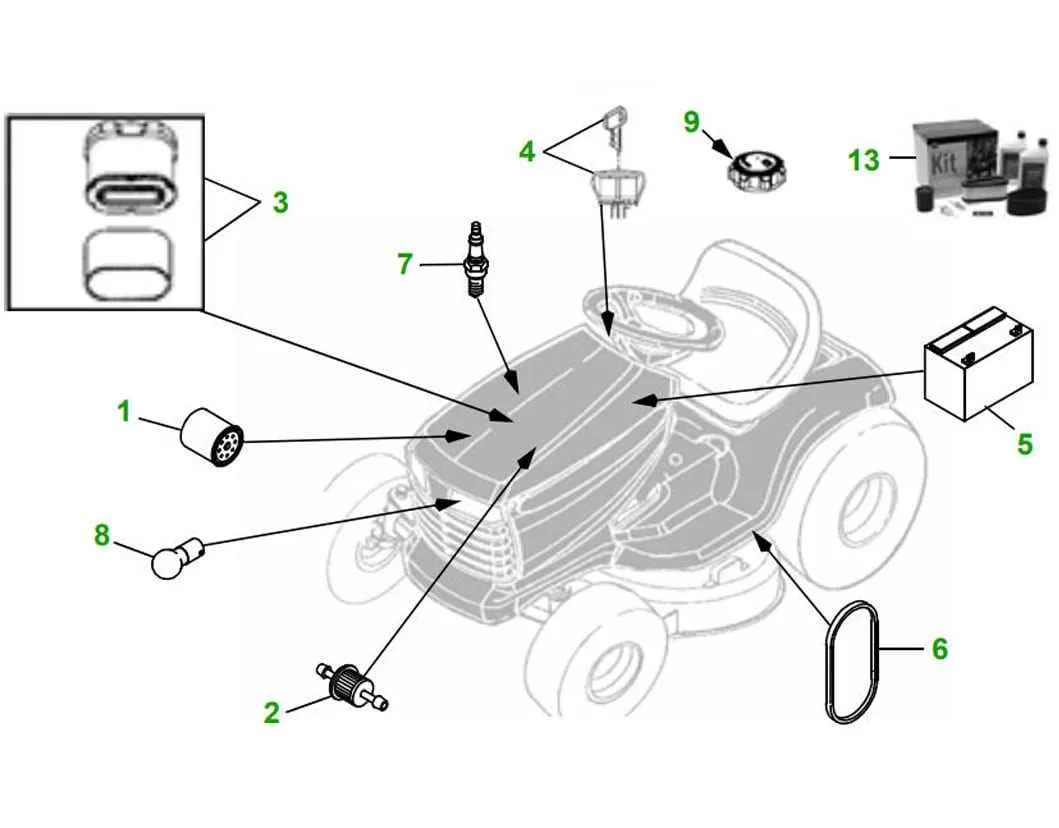
If your John Deere LT155 deck belt is slipping, breaking, or not functioning as it should, these are common issues that can be addressed with some basic troubleshooting.
- Belt Wear and Tear: Over time, belts can become worn, cracked, or frayed. Regularly inspect the belt for signs of damage. If the belt looks worn out, replace it with a new one that matches the specifications for the LT155.
- Belt Slipping: If the belt is slipping, it might be too loose. Tighten the belt by adjusting the tensioner. Be sure to check that the tensioner itself isn’t damaged or worn out. If needed, replace the tensioner to ensure the belt stays in place.
- Misalignment: A misaligned belt can cause uneven wear and reduce performance. Check the pulleys to make sure they’re aligned properly. If a pulley is out of place, realign or replace it as necessary.
- Clogged Pulleys: Grass and debris can build up in the pulleys, causing the belt to slip or work inefficiently. Clean out the pulleys regularly to prevent blockages and ensure smooth operation.
- Incorrect Belt Installation: If the belt isn’t routed correctly, it will not operate efficiently. Double-check the diagram for proper routing and follow it step by step. A diagram specific to your LT155 model will ensure the belt fits perfectly in place.
- Worn or Damaged Pulleys: If the pulleys have worn-out bearings or visible damage, they can affect the belt’s performance. Inspect them closely and replace any damaged parts to avoid further issues.
By staying on top of these common issues and performing regular maintenance, you can keep your LT155 deck belt running smoothly. If problems persist, consulting a professional may be necessary to ensure all components are functioning properly.