5.9 Cummins Belt Diagram Without AC Detailed Guide
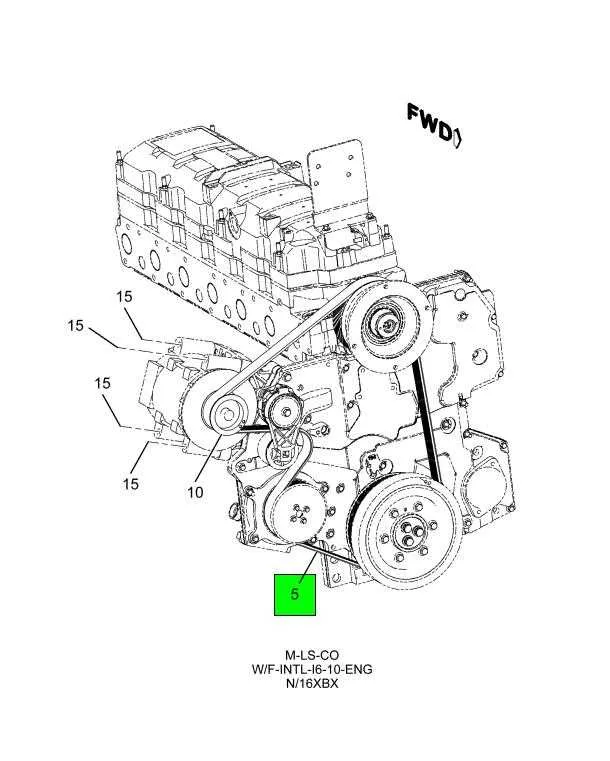
To replace or inspect the belt system of a 5.9 Cummins without an AC unit, the first step is understanding the routing and tension of the belt. Ensure the engine is off and the key is removed from the ignition before starting the procedure.
Start by locating the serpentine belt diagram on the engine. Without an AC, the diagram will be simpler as it excludes the compressor. Pay close attention to the alignment of the belt on the pulleys. Incorrect routing can lead to premature wear and damage to the components.
Check the belt tension before starting the engine. A loose or overly tight belt can cause issues with the alternator, water pump, and power steering pump. If you notice signs of wear such as fraying, cracks, or glazing, it’s time to replace the belt.
For a smooth operation, ensure the belt is routed according to the diagram. Proper tension ensures all the engine accessories work efficiently, reducing strain on the engine and improving its longevity.
Cummins Belt Diagram Without AC
For a 5.9 Cummins engine without air conditioning, the belt routing is more straightforward, as there are fewer components to drive. Follow these steps for accurate belt installation:
- Start by identifying the crankshaft pulley, which drives the entire system.
- Locate the water pump pulley and alternator pulley, which are the main components powered by the drive belt.
- Ensure the belt routes around the crankshaft pulley, around the water pump, and around the alternator.
- Do not route the belt through an AC compressor pulley as it’s absent in this setup.
Once the belt is routed correctly, make sure the tensioner is adjusted to keep the belt taut. Check for proper alignment, ensuring the belt sits flush against each pulley to prevent slipping.
If the belt is too loose, the alternator and water pump may not receive enough power, leading to overheating or electrical issues. Tighten the belt using the tensioner until it is secure but not overly tight.
After installation, rotate the crankshaft pulley by hand to check for any unusual noises or misalignments. If everything seems in order, the belt setup is complete.
Understanding the Belt Routing on 5.9 Cummins Without AC
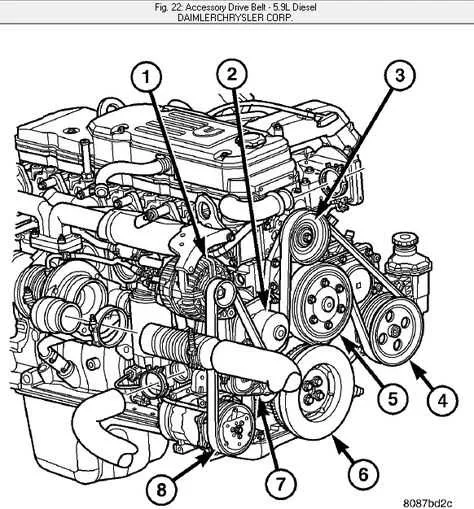
The belt routing on a 5.9 Cummins without air conditioning requires precise alignment to ensure proper engine performance. Begin by identifying the correct tensioner and pulleys. The serpentine belt should loop around the crankshaft, water pump, and alternator, avoiding the AC compressor and other components. It’s crucial to ensure the belt is tight enough to avoid slipping but not over-tensioned, as this can strain the pulleys.
Start by routing the belt around the crankshaft pulley, then proceed to the water pump. Next, move it to the alternator pulley and finally to the tensioner. Make sure the belt follows the correct path across each pulley, ensuring there’s no interference with other components. Check the alignment before tightening the belt, as any misalignment can cause premature wear or damage.
Regular inspection of the belt’s condition is necessary. Look for signs of wear, such as cracking or fraying, and replace the belt immediately if needed. Also, inspect the pulleys for smooth rotation to prevent damage to the new belt.
Steps to Install the Drive Belt on 5.9 Cummins Without AC
Begin by disconnecting the battery to ensure safety during the installation process. Remove any components that may obstruct access to the drive belt area, such as engine covers or hoses.
Locate the tensioner pulley and use a wrench to relieve the tension from the belt. Rotate the tensioner counterclockwise to release the pressure on the belt, then carefully remove the belt from all pulleys.
Inspect the new drive belt to confirm it matches the specifications for your 5.9 Cummins model without AC. Ensure the grooves align correctly with the pulleys to prevent slipping and wear.
Route the new belt around the pulleys, following the belt diagram for the 5.9 Cummins without AC. Pay close attention to the routing path, ensuring it passes over the correct pulleys and under the tensioner.
Once the belt is properly in place, use the wrench to rotate the tensioner back into position, applying the correct amount of tension to the belt. Make sure the belt is tight but not overly stretched.
Double-check the belt’s alignment and tension. Start the engine to observe the belt’s movement and listen for any unusual sounds. If everything operates smoothly, reassemble any removed components.
Finally, reconnect the battery and perform a short test drive to ensure the belt is functioning properly without issues.
Troubleshooting Common Belt Issues on 5.9 Cummins Without AC
Slipping Belt: If you notice a slipping belt, inspect the tensioner and idler pulleys for wear. A loose tensioner can cause insufficient pressure on the belt, leading to slippage. Tighten or replace the tensioner if needed, and check the belt for any visible damage or signs of stretching.
Noisy Belt: A squealing or chirping noise could indicate a misalignment of the pulleys. Ensure that the pulleys are clean and properly aligned. Dirt or debris in the pulley grooves can cause the belt to make noise. Clean the area thoroughly and check the pulley alignment with a straight edge.
Worn-Out Belt: Over time, belts can wear and crack. Inspect the belt for any visible damage such as fraying or cracks. If the belt shows significant wear, replace it with a new one of the correct length and width for your model. Ensure that the new belt is routed correctly and fits snugly in the pulleys.
Incorrect Routing: Improper belt routing can cause the belt to slip off or operate inefficiently. Double-check the routing diagram for your 5.9 Cummins to ensure the belt is installed correctly. A misrouted belt can also cause excessive wear on certain pulleys, leading to premature failure.
Excessive Belt Tension: Too much tension on the belt can put unnecessary stress on the bearings and components. Use a belt tension gauge to ensure the tension is within the manufacturer’s recommended specifications. If the tension is too high, adjust the tensioner accordingly.