2012 Chrysler 200 2.4 Liter Serpentine Belt Routing and Diagram Guide
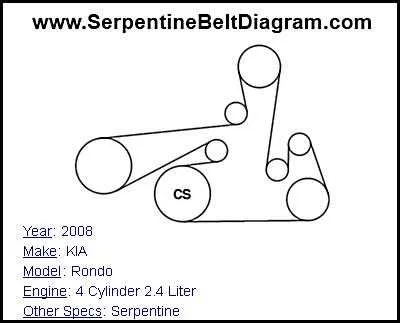
Check the serpentine belt routing before removing the old belt to avoid misalignment. The 2.4-liter engine in the 2012 Chrysler 200 uses a single serpentine belt that drives the alternator, power steering pump, water pump, and air conditioning compressor. Follow the belt path precisely, ensuring tensioner placement aligns with manufacturer specifications.
Use the tensioner tool to relieve tension safely and avoid damaging the belt or pulleys. Inspect all pulleys for wear or damage, as a misaligned pulley can shorten belt life. Confirm the belt type and length match the original, typically 6-rib, 106 inches for this engine configuration.
After installation, rotate the crankshaft manually to verify the belt tracks correctly across all pulleys. Recheck tensioner engagement and alignment. Regular inspection every 30,000 miles will prevent slippage, squealing, and accessory malfunctions. Keep a diagram handy for reference during future maintenance to streamline replacement procedures.
2012 Chrysler 200 2.4 Liter Serpentine Belt Diagram Guide
Locate the serpentine belt on the front of the 2.4-liter engine. Ensure the engine is off and cool before handling the belt. Use a wrench to release tension from the automatic tensioner, allowing the belt to slip off the pulleys safely.
Follow the belt routing carefully: it loops around the crankshaft pulley, alternator, water pump, power steering pump, and A/C compressor. Pay attention to the direction of the belt grooves, which must match the pulleys for proper function.
Inspect each pulley for wear or damage. Replace any pulley showing excessive play, noise, or worn bearings before installing a new belt. Misaligned pulleys can cause belt slipping and reduce the lifespan of the new belt.
When installing the new serpentine belt, start at the crankshaft pulley and route it around each accessory according to the factory diagram. Use the tensioner to slide the belt into place, ensuring it sits fully in the pulley grooves without twisting.
After installation, rotate the engine manually using a socket on the crankshaft pulley to check that the belt moves smoothly and maintains alignment. Start the engine and observe the belt in motion, confirming correct tension and pulley engagement. Adjust if necessary.
Locate and Identify All Pulleys for the Serpentine Belt
Begin by positioning yourself in front of the engine bay of the 2012 Chrysler 200 with the 2.4-liter engine. Identify each pulley by its function and location before attempting belt installation or inspection.
- Crankshaft Pulley: Found at the lower center of the engine, this pulley drives the entire serpentine belt system. Look for a large, round pulley directly connected to the engine’s crankshaft.
- Alternator Pulley: Positioned on the upper front side of the engine, this pulley attaches to the alternator. It is medium-sized and typically has a smooth surface or a slight groove pattern.
- Power Steering Pump Pulley: Located on the passenger side near the top of the engine, this pulley connects to the power steering pump. It often has multiple grooves for proper belt alignment.
- Air Conditioning (A/C) Compressor Pulley: Found on the lower passenger side of the engine, this pulley is slightly smaller than the alternator pulley and may have a clutch mechanism in the center.
- Idler Pulley(s): Positioned strategically to maintain proper belt tension and routing, idler pulleys are smooth and free-spinning. On the 2012 Chrysler 200 2.4L, you will typically find one or two near the center or front of the engine.
- Tensioner Pulley: This spring-loaded pulley keeps the belt tight. It is usually located near the center of the serpentine belt path and can be moved with a wrench or socket to relieve tension during belt replacement.
Confirm each pulley’s identity by tracing the belt path if the belt is still in place. Use a printed or digital diagram to match each pulley to its corresponding function. Ensure all pulleys spin freely without wobble or unusual noise before routing a new belt.
Clean the pulley surfaces with a cloth to remove oil or debris that could cause slipping. Check for proper alignment by sighting along the pulley edges; misaligned pulleys will prevent smooth belt operation.
Step by Step Routing Instructions for Correct Belt Installation
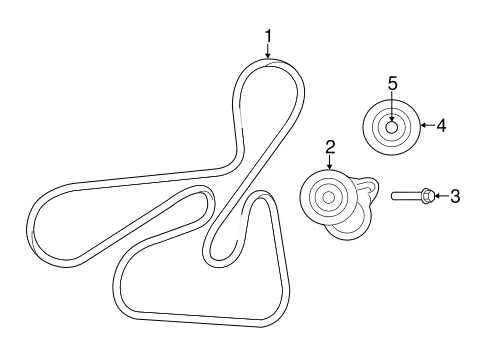
Begin by ensuring the engine is off and cooled down. Locate the serpentine belt routing diagram, typically found on the radiator support or under the hood.
Start the belt at the crankshaft pulley at the bottom center. Loop the belt clockwise around the alternator pulley on the top left, keeping tension consistent.
Guide the belt around the water pump pulley directly above the crankshaft, ensuring it sits squarely in the grooves. Continue to the power steering pump pulley on the upper right side.
Route the belt around the air conditioning compressor pulley, maintaining alignment with all previous pulleys. Ensure the belt contacts the tensioner pulley last.
Use a wrench to rotate the tensioner pulley clockwise and slip the belt over it. Slowly release the tensioner to apply proper tension to the belt.
Double-check that the belt sits fully in each pulley groove and that the routing matches the diagram exactly. Rotate the crankshaft manually to verify smooth operation before starting the engine.
Troubleshoot Common Issues Like Slipping or Misalignment
Check belt tension immediately if you hear squealing or notice irregular movement. A worn or loose serpentine belt often causes slipping, reducing performance of the alternator, power steering, and A/C system.
Inspect all pulleys for proper alignment. Misaligned pulleys create uneven wear patterns on the belt. Use a straightedge or laser alignment tool across pulley faces to confirm alignment and adjust tensioner position if necessary.
Look for cracks, fraying, or glazing on the belt surface. Any visible damage indicates replacement is needed. Clean pulleys to remove debris, oil, or corrosion that could cause slippage.
Test the belt tensioner by applying pressure to the belt. If the tensioner does not maintain firm resistance or oscillates, replace the tensioner to prevent further misalignment and slipping issues.
After adjustments or replacement, start the engine and observe belt operation. Listen for abnormal noises and watch for smooth, centered travel across all pulleys. Recheck tension after a short drive to confirm stability.