Cub Cadet LTX 1040 Deck Belt Diagram and Maintenance Guide
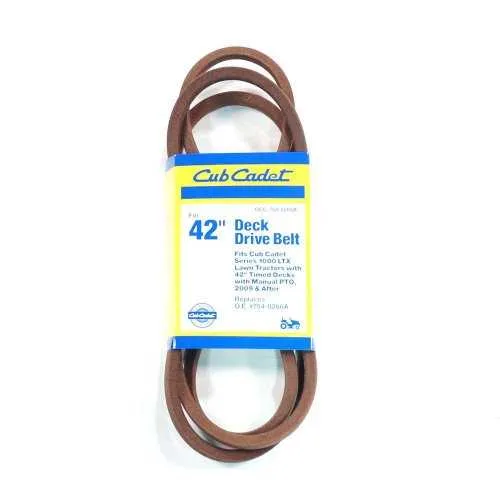
If your Cub Cadet LTX 1040 mower isn’t working properly, it could be a sign that the deck belt needs attention. Checking the deck belt and understanding its routing can save you time and frustration during maintenance. The correct diagram ensures proper installation, helping you avoid wear and tear on other components.
The belt routing diagram for the Cub Cadet LTX 1040 mower is straightforward once you know the steps. Begin by inspecting the belt for any visible damage, such as cracks or fraying, which are common signs that a replacement is necessary. After confirming the belt’s condition, follow the diagram to ensure it’s correctly routed around pulleys and tensioners.
Ensure the deck is lifted before attempting any repairs. The diagram clearly shows how the belt should thread through the pulleys, which are responsible for turning the blades. Pay close attention to the direction of the pulleys and the proper placement of the belt on each one. Misrouting can lead to poor performance or even damage to the mower.
Once you’ve properly routed the belt, verify the tension. The correct tension prevents slippage and ensures the deck works efficiently. Refer to the manufacturer’s guidelines for specific tension adjustments if needed.
Cub Cadet LTX 1040 Deck Belt Diagram
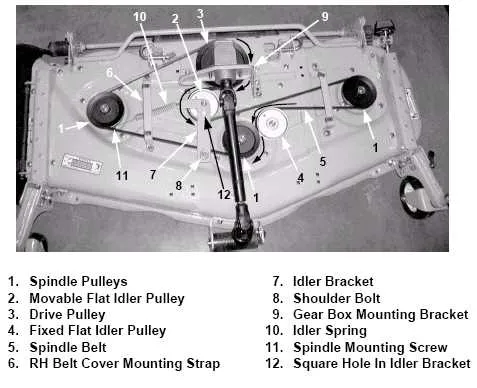
The Cub Cadet LTX 1040 deck belt replacement process requires following the correct path for optimal performance. Start by lifting the mower deck to its highest position. Then, remove the old belt by detaching it from the pulleys. Make sure to align the new belt with the correct routing as shown in the diagram. The belt should pass over the engine pulley, under the idler pulley, and around the deck spindles.
Ensure that the belt is seated properly in all grooves to avoid slipping. The belt should be tight but not stretched, with enough slack to avoid damage during operation. Double-check the alignment and make sure the tension is appropriate to keep the mower running smoothly.
Once the belt is correctly routed, reattach any components that were removed for access, such as the deck cover or bolts. Test the belt by turning the mower on and verifying that the blades engage smoothly without slipping or making excessive noise. If any issues arise, recheck the belt tension and routing.
How to Locate the Deck Belt Diagram on Cub Cadet LTX 1040
To find the deck belt diagram on your Cub Cadet LTX 1040, start by checking the user manual. The manual usually includes a detailed diagram of the deck assembly, including the correct routing for the belt.
If you don’t have the manual, locate the model number of your mower, which can typically be found on a label near the seat or on the frame. Once you have the model number, visit the official Cub Cadet website or other reliable resources to search for the specific deck belt diagram.
Another option is to remove the deck cover to reveal the deck’s internal components. Often, manufacturers will place the belt routing diagram on the underside of the deck or on a nearby component. Take note of how the belt is positioned before removing it for easy reassembly.
If these methods do not work, consider reaching out to a local dealer or service center. They can often provide the diagram you need or direct you to an online resource.
Step-by-Step Guide to Replacing the Deck Belt on Cub Cadet LTX 1040
To replace the deck belt on your Cub Cadet LTX 1040, follow these steps for a smooth process.
- Preparation: Disconnect the battery and remove the ignition key. This ensures safety while working on the mower.
- Lift the mower: Use a jack or a lifting device to raise the front of the mower. This gives you better access to the underside of the deck.
- Remove the deck: Unscrew and remove the pins that secure the deck to the mower. Carefully slide the deck out from under the mower. Be cautious not to damage any components.
- Locate the old belt: Check the diagram on the deck for proper belt routing. It’s helpful to have a reference for the belt’s path before removing it.
- Remove the old belt: Loosen any tensioners or idler pulleys that may be holding the belt in place. Carefully remove the old belt from the pulleys, making sure to note its positioning for installing the new belt.
- Install the new belt: Begin by looping the new belt over the pulleys, following the routing diagram. Make sure it’s seated properly in the grooves of each pulley. If needed, adjust the tensioner to ensure the belt is tight but not overly strained.
- Reinstall the deck: Once the new belt is in place, slide the deck back under the mower. Reattach the pins and secure the deck to the mower frame.
- Test the mower: Reconnect the battery and turn on the mower. Test the deck’s functionality by engaging the blades. Listen for any unusual sounds that might indicate the belt is misaligned.
Always consult your user manual for specific details and torque values. Regular maintenance of your Cub Cadet LTX 1040 helps extend its lifespan and ensures optimal performance.
Troubleshooting Common Deck Belt Issues on Cub Cadet LTX 1040
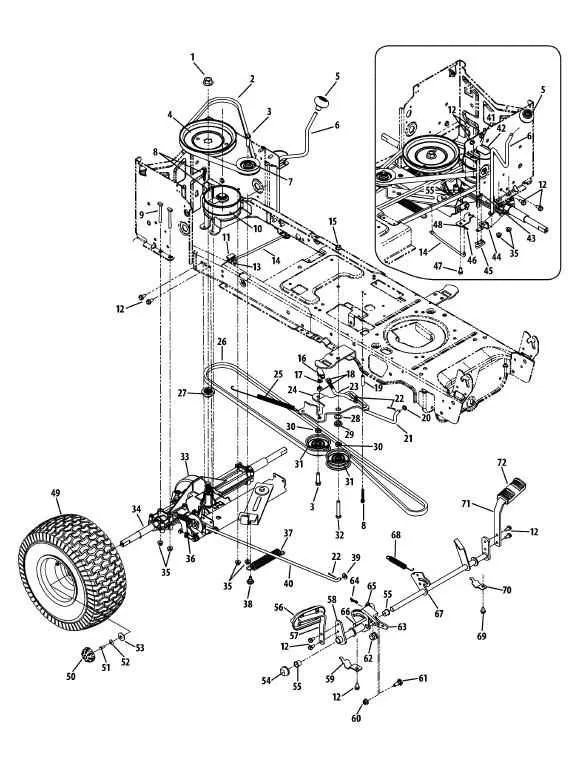
If your Cub Cadet LTX 1040 deck belt is slipping or breaking frequently, inspect the belt for wear and proper tension. A loose belt can slip off the pulleys or cause uneven cutting. Check the tension spring for damage or improper positioning, as it directly impacts belt tension.
Examine the belt for signs of cracks, fraying, or burn marks. These are clear indicators that the belt has been overstressed or worn out and needs replacement. If the belt appears to be fine but still slips, inspect the pulleys for wear, debris, or misalignment. Misaligned pulleys can cause uneven pressure on the belt, leading to premature wear.
Check the idler pulleys to ensure they spin freely and are not obstructed. A seized idler pulley can prevent the belt from running smoothly, increasing the chance of a breakdown. Clean any debris around the pulleys to avoid resistance, which can also wear the belt prematurely.
If you notice the deck belt is too tight, it could be due to a damaged spring or improperly adjusted tension. A belt that’s too tight will place unnecessary stress on the engine and pulleys, potentially causing failure. Make sure the tension adjustment is correct by referring to the manual for factory settings.
Another common issue is a stretched belt that no longer fits the pulleys properly. If the belt is too loose and doesn’t make sufficient contact with the pulleys, it may slip or fail to operate the blades correctly. In such cases, replacing the belt with a new one that matches the manufacturer’s specifications is necessary.