Cub Cadet 54 Deck Belt Diagram with Clear Routing Guide for Lawn Tractor Owners
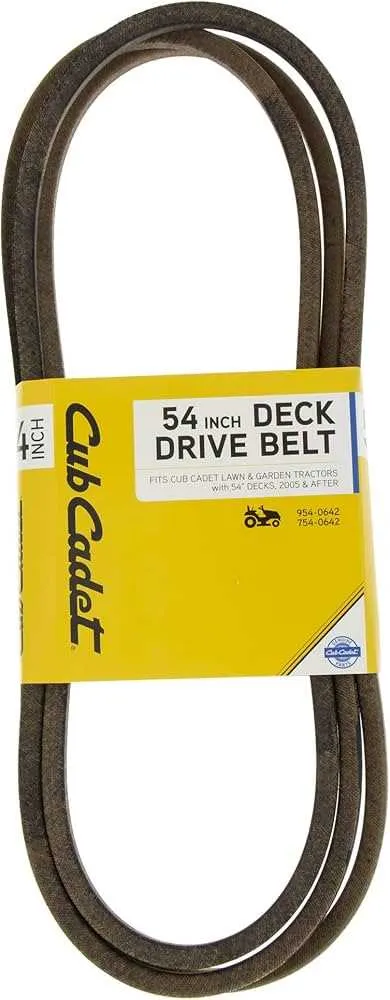
Use the Cub Cadet 54 deck belt diagram to install or replace the belt without confusion. The diagram shows the exact routing around the pulleys, ensuring proper tension and smooth blade operation. Following it prevents uneven cutting and premature belt wear.
Always match the belt size with the model number before installation. A 54-inch deck typically requires a heavy-duty belt designed to withstand continuous use, so using the correct part number is critical. The diagram clearly identifies spindle pulleys, idlers, and tension points, making the process straightforward.
Keep the pulleys clean and aligned before fitting the belt. A diagram-based check helps you confirm that the belt sits correctly on each pulley groove, reducing the risk of slipping. Regular inspection of the diagram while working ensures accuracy and saves time during future maintenance.
Cub Cadet 54 Deck Belt Diagram
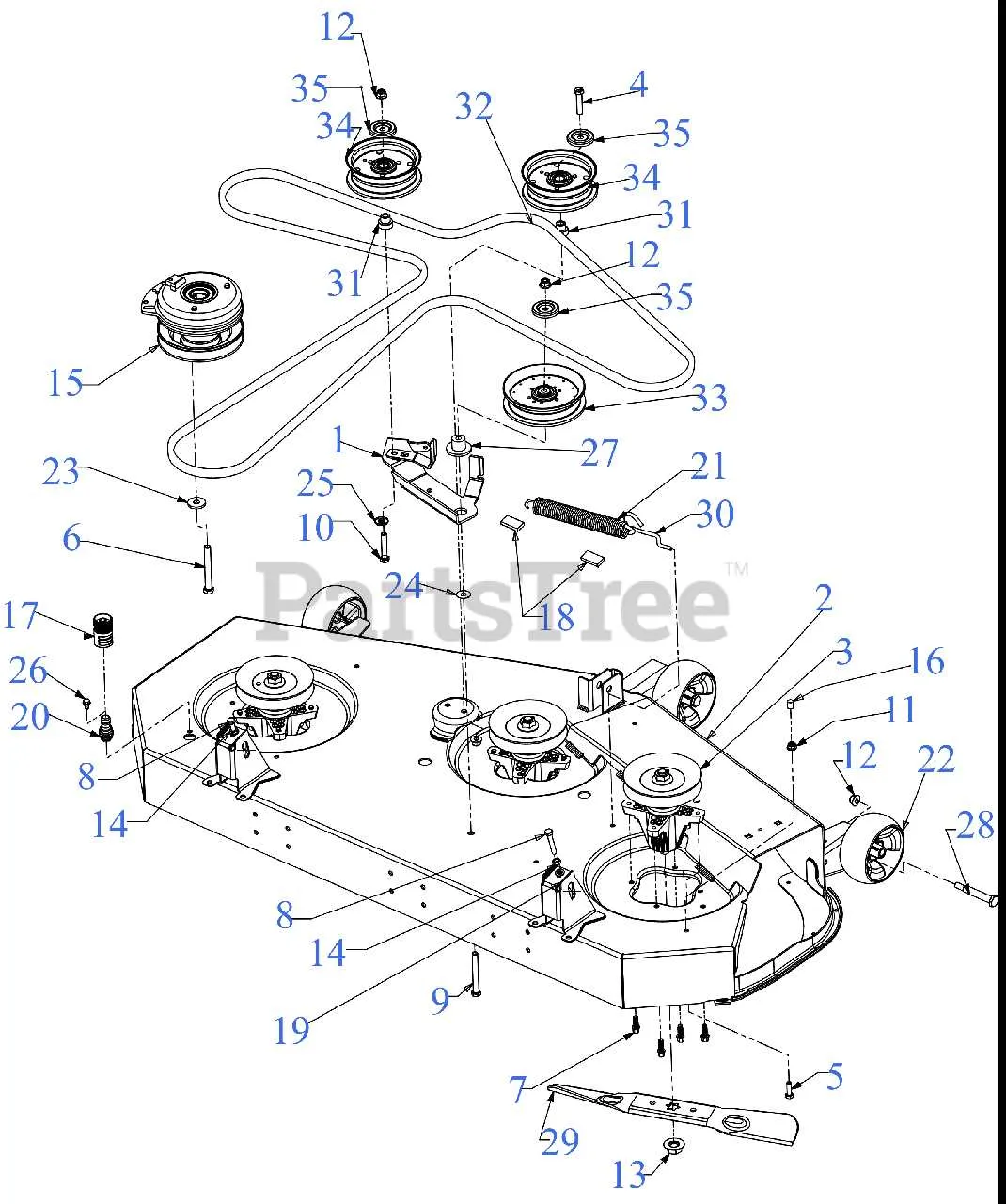
Use the Cub Cadet 54 deck belt diagram to correctly route the belt around pulleys and spindles. This prevents slippage, uneven cutting, and premature wear.
- Check that the belt runs from the PTO pulley at the engine to the idler pulleys without twisting.
- Ensure the belt passes around all three spindle pulleys on the 54-inch deck in the correct sequence.
- Confirm that the tensioner pulley applies constant pressure without pulling the belt out of alignment.
- Match the belt path shown in the diagram with the actual deck to avoid incorrect routing.
Before installing a new belt, clean the pulleys from grass buildup and inspect bearings. A smooth surface reduces friction and keeps the belt running longer. Always release the deck tension spring before removing the old belt to avoid damage.
- Release the deck tension and remove the old belt.
- Follow the diagram to loop the new belt around the PTO pulley, then the spindle pulleys.
- Finish by routing the belt through the idlers and reconnecting the tension spring.
After installation, rotate the blades manually to confirm free movement. Compare the belt’s position to the diagram once more before engaging the PTO.
How to Identify the Correct Belt Path on a 54-Inch Cub Cadet Deck
Place the belt around the PTO pulley at the engine first, keeping the V-side in the grooves. Guide it along the outer idler pulleys on both sides, making sure it sits snugly inside the pulley channels without twisting.
Route the belt across the spindle pulleys that drive the blades. Each spindle has a deep groove where the belt must seat flat. Ensure both left and right blade spindles align evenly, or the belt will slip under load.
Locate the tensioner pulley near the right side of the deck. Slide the belt under the tensioner arm so the spring maintains constant pressure. Use a wrench to move the tensioner arm slightly if the belt feels too tight to install.
Confirm that the belt runs in a continuous loop without crossing over itself. The flat side should always face flat pulleys, while the V-side must contact grooved pulleys. Rotate the blades by hand once to verify smooth movement before engaging power.
Tip: A quick check after installation is to look for equal clearance on both sides of the deck. If the belt pulls to one side, adjust routing around the idler pulleys until alignment looks correct.
Steps to Replace and Install a 54-Inch Cub Cadet Deck Belt
Park the mower on a flat surface, set the parking brake, and disconnect the spark plug wire for safety.
Lower the mower deck completely and remove the belt covers with a socket wrench. Release the belt tension by moving the idler pulley arm away from the belt path.
Slide the old belt off the PTO pulley and carefully remove it from the deck pulleys. Inspect pulleys and spindle housings for wear or damage before installing the new belt.
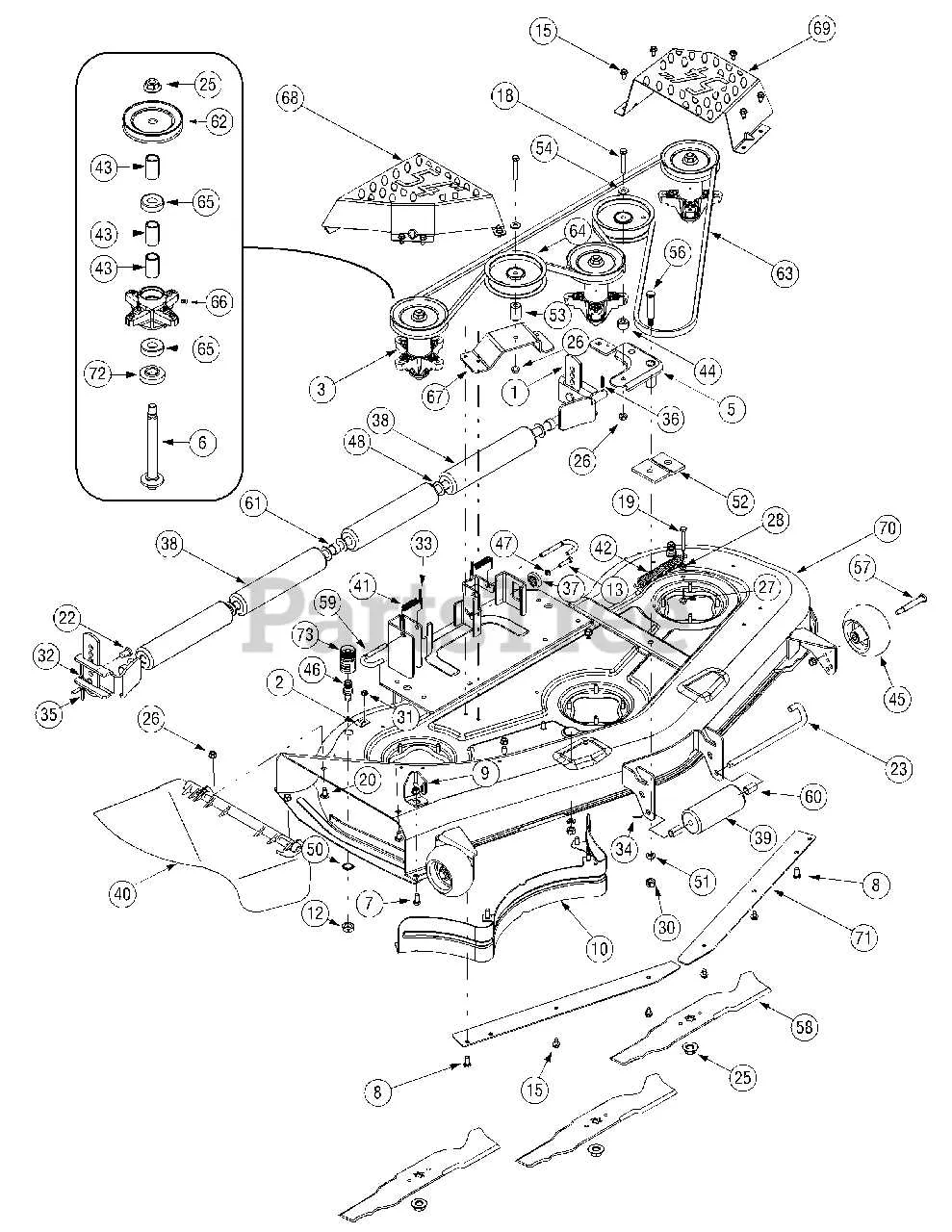
Route the new belt according to the 54-inch deck diagram, making sure it sits correctly in all pulley grooves. Pay close attention to the placement around the idler pulleys and the tensioner arm.
Reapply tension by letting the idler arm return to its position, then reinstall the belt covers. Rotate the blades by hand to confirm the belt moves smoothly without slipping.
Reconnect the spark plug wire, raise the deck to your preferred height, and engage the blades briefly to check alignment. A properly installed belt should run evenly and without vibration.
Common Issues With 54-Inch Cub Cadet Deck Belts and How to Fix Them
Check the belt tension immediately if the mower produces uneven cuts or slips under load. A loose belt reduces blade efficiency and may cause squealing. Adjust the idler pulley to maintain proper tension, typically around 1/2 inch deflection when pressed with moderate force.
Inspect for cracks, fraying, or glazing along the belt edges. Damaged belts can snap during operation, creating safety hazards. Replace any belt showing visible wear with an exact match for the 54-inch deck to ensure proper fit and function.
Clean the pulleys and deck thoroughly to remove grass clippings, dirt, and debris. Build-up increases friction and accelerates belt wear. Use a stiff brush or compressed air to reach tight spots around spindles and tensioners.
Check pulley alignment if the belt drifts off-track or squeals continuously. Misaligned pulleys stress the belt unevenly. Loosen mounting bolts, realign pulleys so they sit squarely with each other, and retighten bolts to specification.
Replace worn idler bearings immediately. Noisy or stiff bearings can prevent proper belt tracking. Inspect by spinning each pulley manually; any roughness indicates replacement is required. Lubricate the pivot points with a light machine oil to maintain smooth movement.
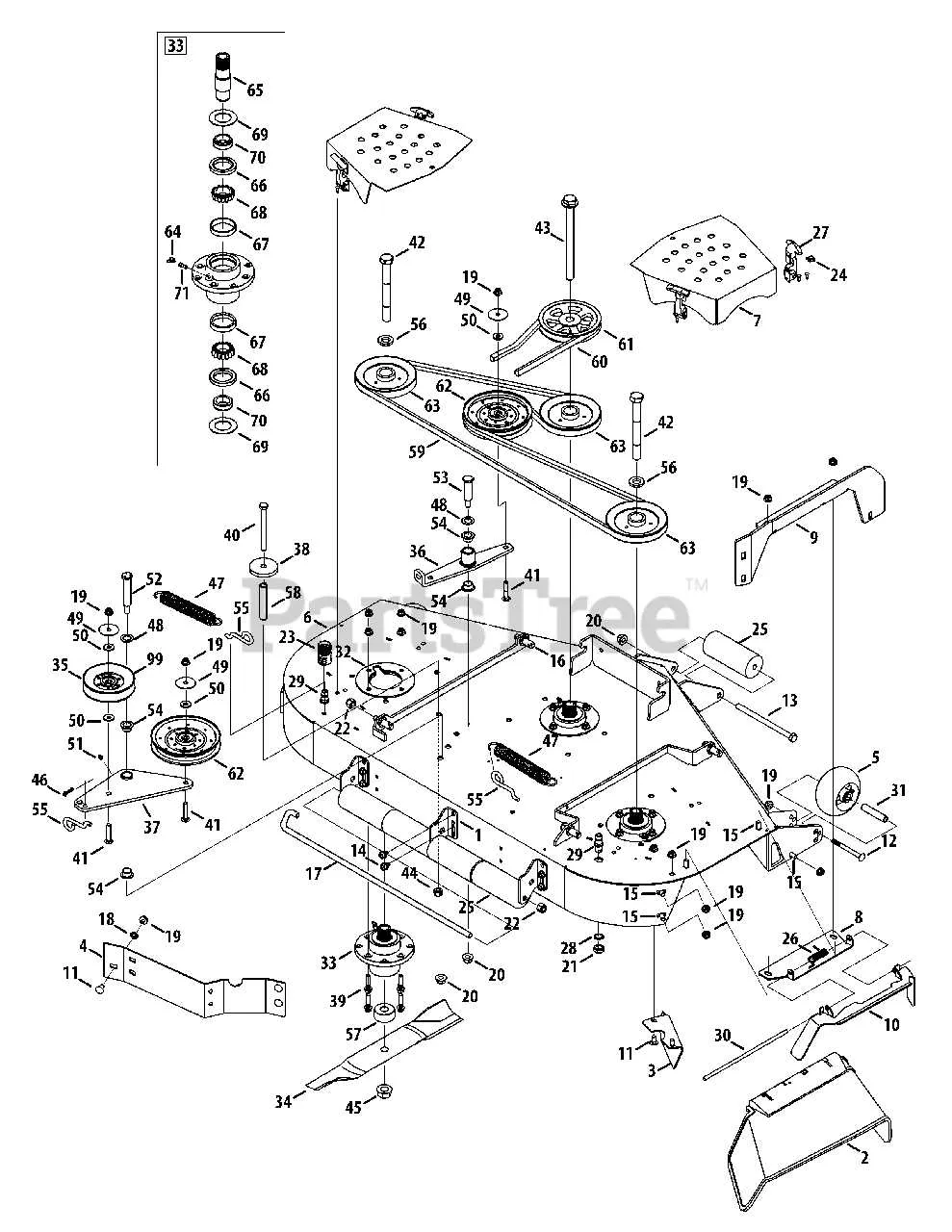
Verify the belt routing matches the deck diagram precisely. Incorrect routing reduces cutting performance and causes premature belt wear. Follow the manufacturer’s 54-inch deck schematic step by step, ensuring the belt wraps correctly around the drive, idler, and blade spindles.