Idler Pulley and Belt Routing Diagram for Volkswagen Jetta 2.5 Engine
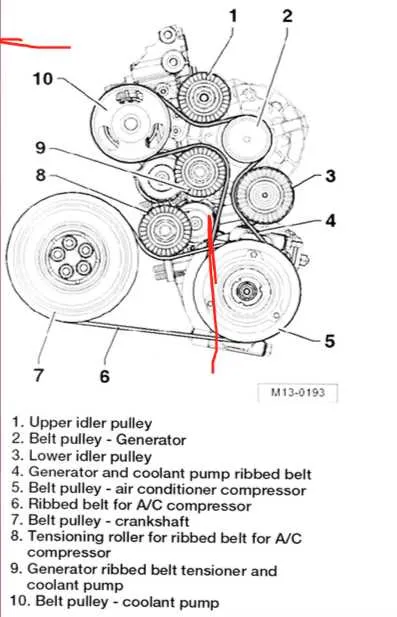
Check the idler pulley and belt routing before starting any maintenance on a Jetta 2.5 engine. Misalignment or improper tension can lead to accelerated wear and reduce belt lifespan. Use the diagram to identify each pulley and the correct belt path.
Locate the idler pulley near the serpentine belt assembly. Inspect for smooth rotation and any signs of bearing wear or noise. Replace the pulley immediately if it shows excessive play or rough movement to prevent belt slippage or engine accessory failure.
Follow the belt diagram precisely when removing or installing the serpentine belt. Ensure the belt fits snugly on each pulley groove, maintaining correct routing through the alternator, water pump, and A/C compressor. Double-check alignment after installation to prevent premature damage.
Regularly inspect belt condition, looking for cracks, fraying, or glazing. Adjust tension if necessary using the tensioner, and verify that the idler pulley spins freely. Consistent attention to these details preserves engine performance and avoids unexpected breakdowns.
Idler Pulley Jetta 2.5 Belt Diagram Detailed Maintenance and Replacement Guide
Inspect the idler pulley and serpentine belt regularly to prevent uneven wear and potential engine damage. Check the pulley for smooth rotation and listen for any grinding or squeaking noises that indicate bearing wear.
Follow these steps for maintenance and replacement:
- Locate the Idler Pulley: Use the 2.5 Jetta belt diagram to identify the position of the idler pulley relative to the alternator, power steering pump, and A/C compressor.
- Release Belt Tension: Use a wrench or serpentine belt tool to rotate the tensioner and release tension from the belt. Ensure the tool has secure grip to avoid slipping.
- Remove the Belt: Slide the belt off the idler pulley carefully, noting its routing. Consider taking a photo or sketching the belt path to assist with reinstallation.
- Inspect the Pulley: Examine the idler pulley for cracks, rust, or bearing play. Spin it by hand; any wobble or rough movement indicates replacement is necessary.
- Replace the Pulley: Remove the mounting bolt and install the new pulley. Torque the bolt according to manufacturer specifications, usually around 25–30 ft-lbs for a Jetta 2.5 idler pulley.
- Reinstall the Belt: Route the belt along the original path and rotate the tensioner to apply proper tension. Ensure the belt sits fully in the pulley grooves without twisting.
- Test Operation: Start the engine and observe the belt and pulley. Watch for alignment issues or unusual noise. Confirm all components operate smoothly under load.
Perform this maintenance every 60,000–80,000 miles or sooner if you notice squealing, belt fraying, or excessive vibration. Replacing the idler pulley and inspecting the belt regularly helps maintain consistent engine performance and avoids costly repairs.
Identify and Locate the Idler Pulley in Jetta 2.5 Engine
Locate the idler pulley on the front of the Jetta 2.5 engine, near the serpentine belt routing. It is mounted on the engine block and maintains proper tension on the belt, sitting between the alternator and the crankshaft pulley.
Visually identify the idler pulley by its smooth, round surface without grooves, distinguishing it from the grooved pulleys connected to accessories. The pulley is typically attached with a single bolt at its center.
Access the pulley from the passenger side of the engine bay. Remove any engine covers or components obstructing the view, such as the air intake duct, for clear access. Ensure the engine is off and cooled before touching the pulley.
Confirm the pulley’s position by tracing the serpentine belt path. The belt wraps around the idler pulley without powering any accessories, maintaining tension throughout the system. This visual check prevents mistakes during belt removal or replacement.
Check for any wobbling or unusual movement by manually spinning the pulley. A properly mounted idler pulley rotates smoothly without resistance or noise, indicating it is correctly aligned and functional.
Follow the Belt Routing Diagram for Correct Installation
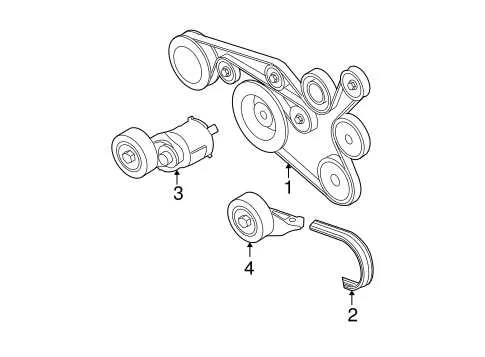
Consult the Jetta 2.5 belt diagram before installing the serpentine belt. Correct routing ensures proper tension and prevents slippage or premature wear.
Begin by placing the belt around the crankshaft pulley. Follow the diagram to loop the belt over the alternator, power steering, and air conditioning pulleys. Pay attention to the idler pulley’s position, as it maintains correct alignment and tension.
Use a wrench to rotate the tensioner pulley and slip the belt into place on the final pulley. Ensure the belt sits squarely in each pulley groove and that it follows the exact path shown in the diagram.
Double-check the routing visually. Misaligned belts can cause noise, reduce component lifespan, or lead to engine damage. Compare the installed belt with the diagram to verify proper positioning.
| Pulley | Belt Position |
|---|---|
| Crankshaft | Primary drive point |
| Alternator | Top-left loop |
| Power Steering | Middle-right loop |
| Air Conditioning | Upper-right loop |
| Idler Pulley | Maintains alignment |
| Tensioner Pulley | Applies tension |
After installation, rotate the engine manually to confirm smooth belt movement. Inspect for slack, twisting, or misalignment. Correct installation according to the diagram prevents mechanical issues and ensures consistent engine performance.
Inspect and Replace Worn Idler Pulley and Belt Components
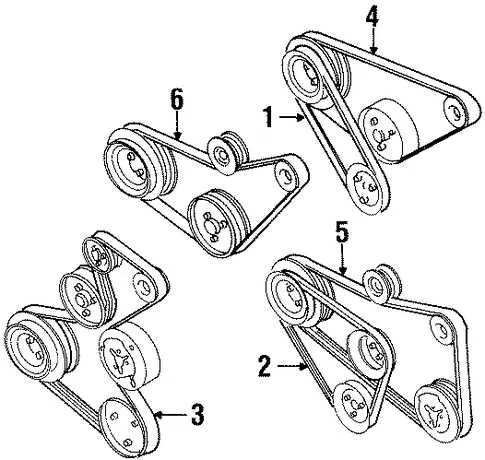
Start by removing the serpentine belt using a tensioner tool to relieve pressure. Examine the idler pulley for cracks, chips, or excessive play. Rotate the pulley manually to detect roughness or grinding noises, which indicate bearing wear.
Inspect the serpentine belt for fraying edges, glazing, or missing ribs. Check for uneven wear patterns that may suggest misalignment or tension issues. Measure belt tension according to the manufacturer’s specifications to confirm proper fit.
Replace the idler pulley if the bearing shows resistance, noise, or wobbling. Ensure the replacement matches the exact OEM specifications for diameter, width, and bearing type. Lubricate the mounting bolt lightly and torque it to the recommended value.
Install a new belt, following the belt routing diagram closely. Double-check alignment on all pulleys, including the tensioner and idler. Rotate the crankshaft by hand after installation to ensure smooth belt movement and correct pulley engagement.
Perform a final visual inspection to confirm the belt sits properly in the grooves and that all fasteners are secure. Test the engine at idle, listening for unusual noises and monitoring belt tracking for consistent operation.