Complete Ariens Apex 60 Belt Diagram Guide for Maintenance and Replacement
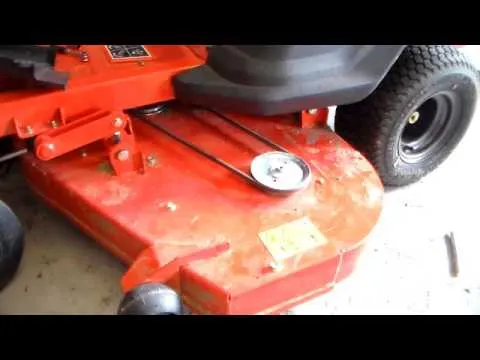
Locate the correct belt path immediately to prevent slipping or damage. The Ariens Apex 60 uses a series of pulleys that must align precisely; misrouting even one belt can reduce mower performance and cause premature wear. Verify each belt sits in its groove and follows the diagram steps carefully.
Check tension points on the idler and main drive pulleys. The belt should maintain moderate tension without forcing the pulleys apart. Adjust the tensioner by loosening its mounting bolts, positioning the belt, and tightening it gradually while rotating the pulleys to ensure smooth movement.
Replace worn components before installing a new belt. Inspect the pulleys for cracks, fraying, or glazing, and clean debris from the deck and spindles. A damaged pulley or excessive buildup can quickly destroy a new belt even if routed correctly.
Follow manufacturer numbers on the diagram for each belt section. Each segment corresponds to a specific pulley and rotation direction. Align the arrows with the pulleys exactly to avoid reverse rotation, which can reduce cutting efficiency and cause belt slipping.
Test operation after installation. Engage the mower deck at low speed, listen for unusual noises, and watch the belt movement. Correct alignment keeps the belt centered on each pulley and prevents rubbing against the deck or spindle covers, extending belt life significantly.
Ariens Apex 60 Belt Diagram
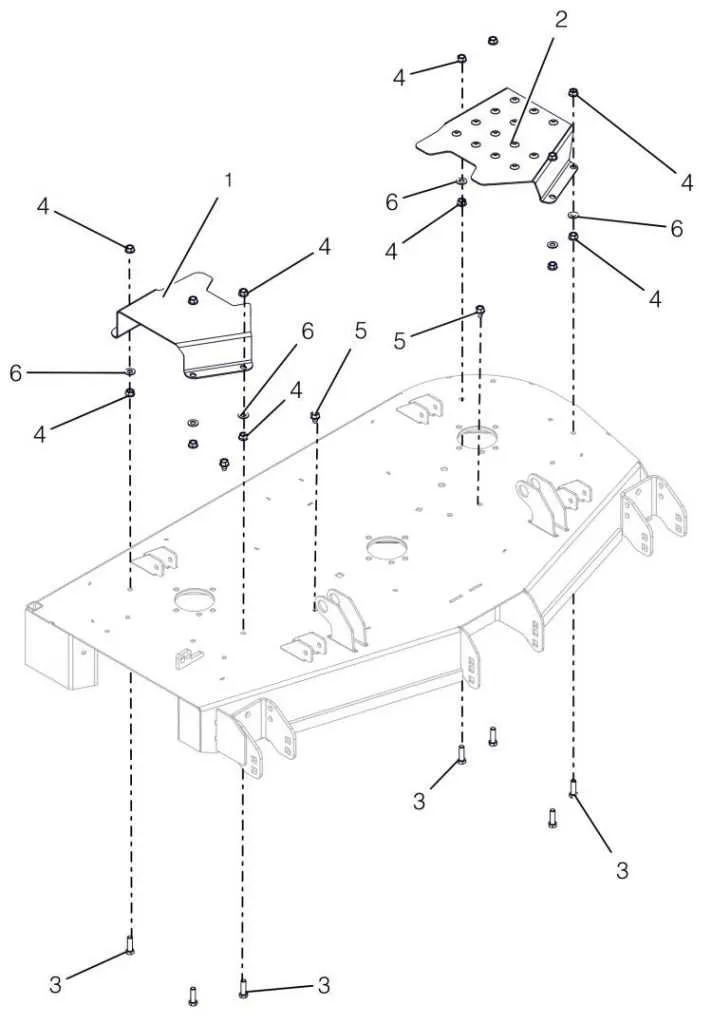
Check the Ariens Apex 60 belt routing before performing maintenance to prevent improper installation. Use the diagram specific to your model year, as belt paths can differ slightly between versions.
The main components connected by the belt include:
- Engine pulley
- Deck pulley system
- Idler pulleys
- Transmission pulley
Follow these steps for correct belt installation:
- Raise the mower deck to its highest position and ensure the engine is off.
- Refer to the belt diagram to identify the routing over each pulley.
- Place the belt around the engine pulley first, keeping tension away from idlers.
- Route the belt along deck pulleys, following the direction indicated in the diagram.
- Check that the belt sits in all pulley grooves evenly to avoid slipping.
- Engage any tensioners or idler mechanisms as shown in the diagram.
Signs the belt is improperly installed include unusual noises, uneven blade rotation, or slipping under load. Use the diagram as a reference point during these checks to correct any misalignment quickly.
Keep a printed copy of the Ariens Apex 60 belt diagram near your workspace. It helps identify each pulley and tensioner location, reducing trial-and-error attempts during replacements or adjustments.
Locating and Identifying Each Belt on Ariens Apex 60
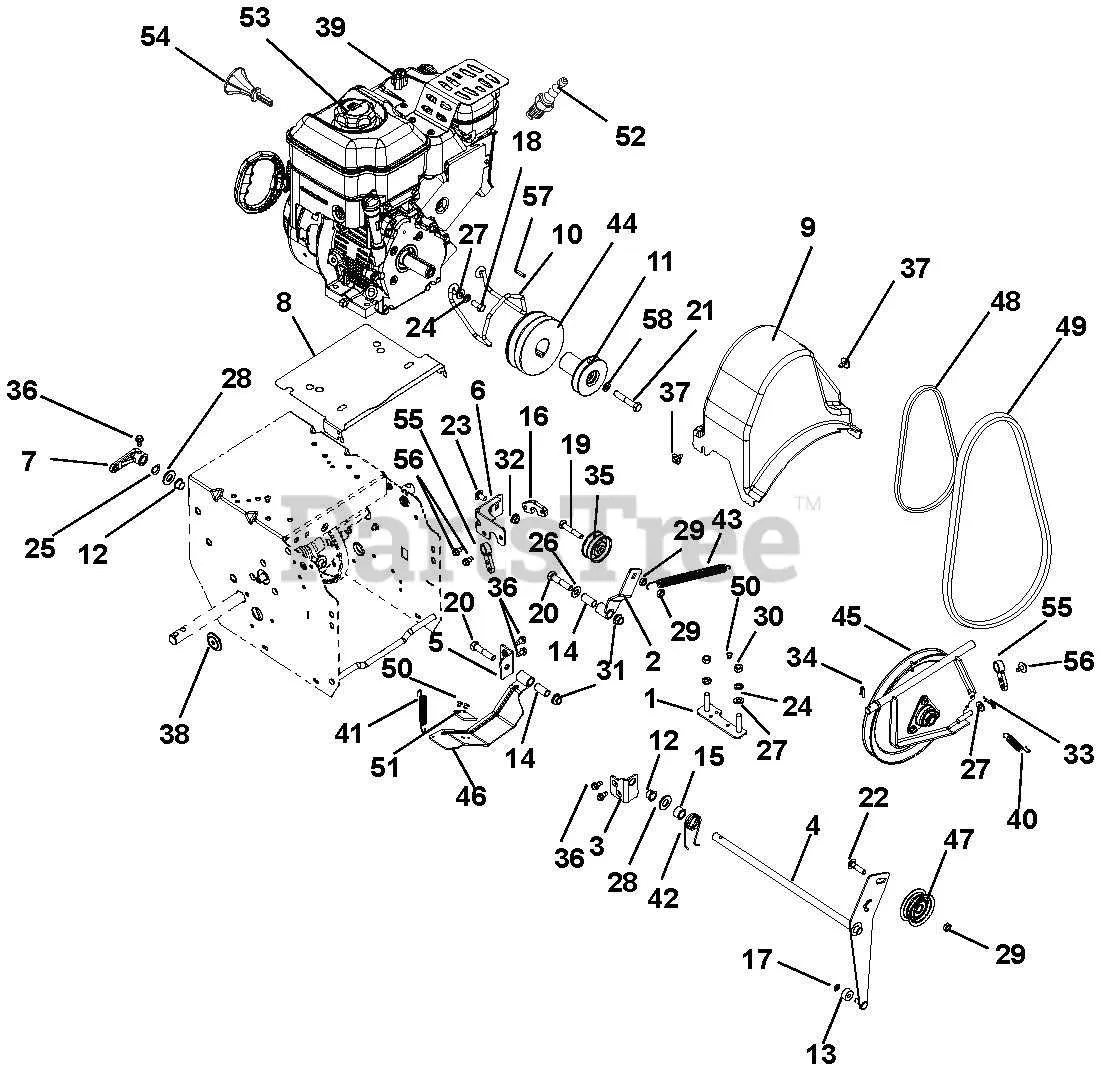
Locate the mower deck first and identify the primary drive belt running from the engine pulley to the transmission pulley. This belt transfers power from the engine to the wheels. Check for part numbers or grooves to distinguish it from other belts.
Next, focus on the deck belts. Each deck spindle has its own belt, usually routed around multiple pulleys. The front pulley guides the belt from the engine to the rear spindles. Follow the routing diagram printed on the deck or near the pulleys to avoid twisting the belts during installation.
The idler belt plays a supporting role by keeping tension consistent across the deck system. It runs through tensioner pulleys and can be identified by its shorter length and tighter routing compared to main belts. Look for a spring-loaded tensioner near the belt path for easy identification.
Check for a mower lift belt, if applicable. This belt connects the lift mechanism to the deck and is typically thinner with a straight path from the lift pulley to the deck bracket. Confirm its routing against the diagram to prevent interference with the drive or deck belts.
Label each belt as you inspect them to simplify replacement or maintenance. Use visual markers or tape to note the starting and ending pulleys. Verify belt condition and tension before reassembling, ensuring smooth operation and avoiding slippage.
Step-by-Step Guide to Replacing the Drive Belt
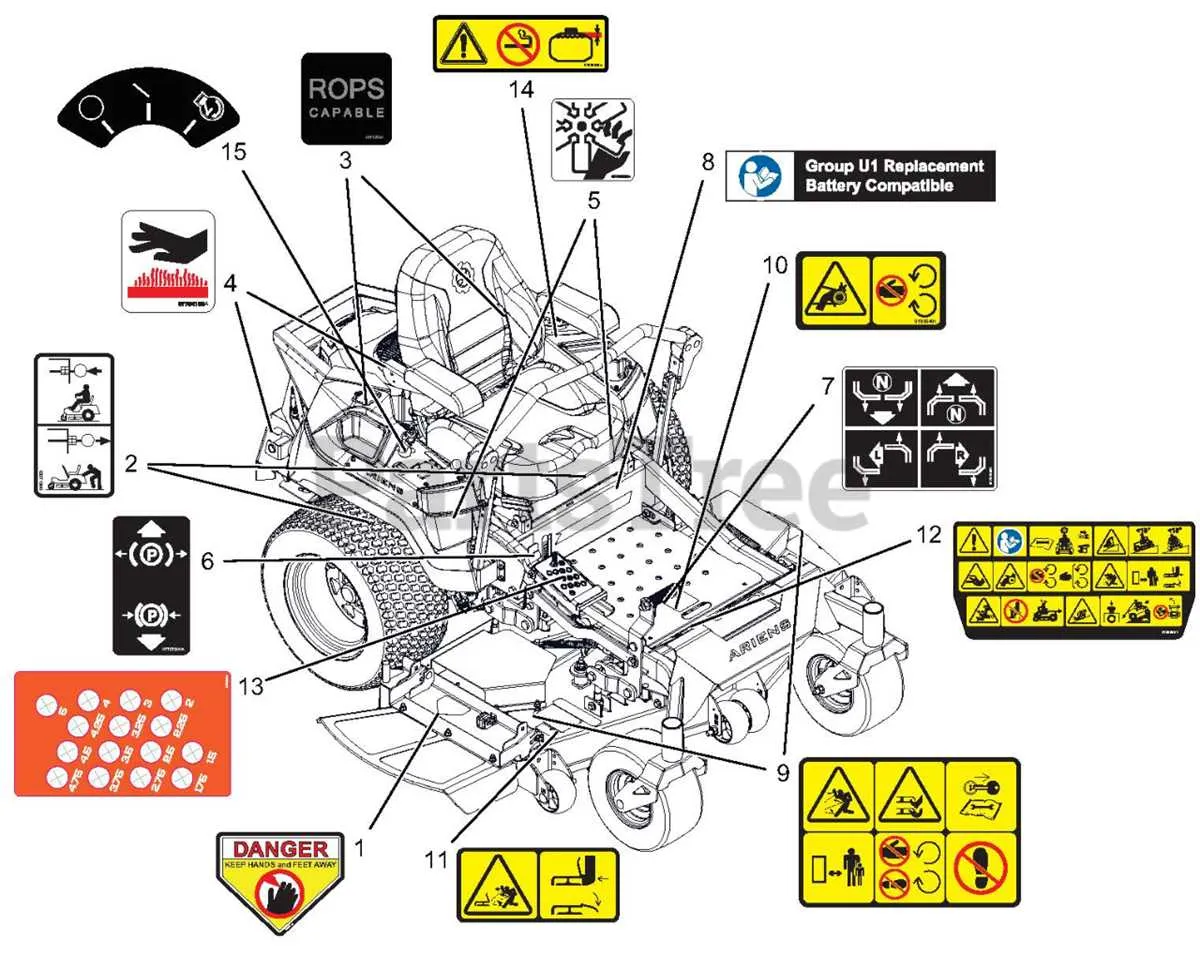
Disconnect the spark plug wire to prevent accidental starts before touching any parts. Locate the drive belt by lifting the mower deck and examining the pulleys. Identify the old belt’s path using the Ariens Apex 60 belt diagram for reference.
Release the tensioner by pulling the spring-loaded lever or using a wrench to move the idler pulley away from the belt. Carefully slide the worn belt off the pulleys, noting its orientation around the engine and deck pulleys.
Inspect pulleys and deck components for wear or debris. Clean any grass clippings or dirt that could interfere with the new belt’s operation. Replace any damaged pulleys before installing the belt to avoid premature wear.
Install the new belt starting from the engine pulley. Follow the routing diagram exactly, looping the belt around each idler and deck pulley. Keep tension on the belt as you maneuver it into place to prevent it from slipping off.
Re-engage the tensioner slowly to apply proper pressure on the new belt. Ensure the belt sits correctly in all pulley grooves and moves smoothly when the deck is raised and lowered.
Reconnect the spark plug wire and test the drive system by starting the mower and shifting through forward and reverse. Listen for unusual noises and watch the deck movement to confirm the belt operates smoothly.
Regular inspection and cleaning of the belt and pulleys will extend the belt’s lifespan and maintain consistent performance of the Ariens Apex 60 mower.
Troubleshooting Common Belt Issues and Alignment Problems
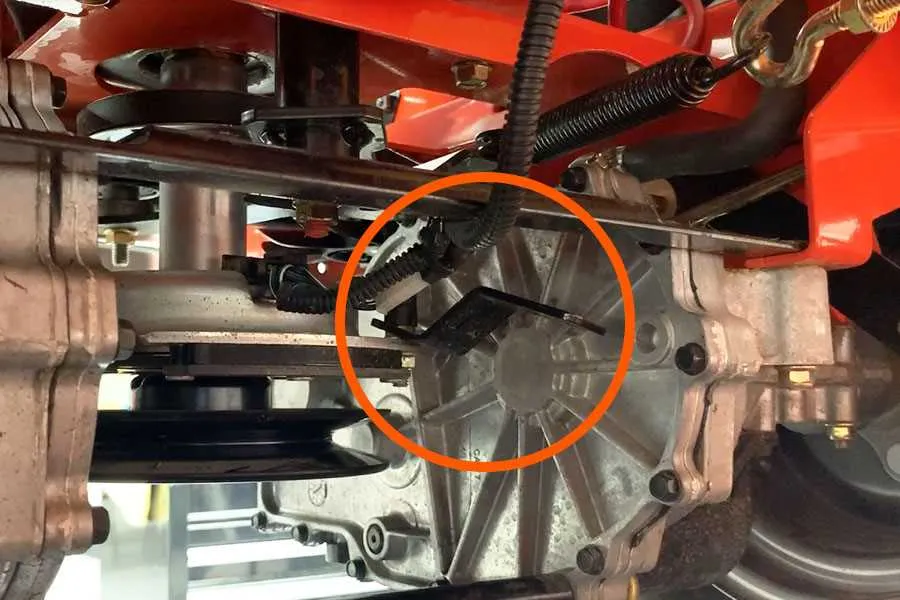
Replace any frayed or cracked belts immediately to prevent sudden failure. Check the tension by pressing the belt midway between pulleys; it should deflect about ½ inch under firm pressure. Loose belts can slip, causing uneven cutting, while over-tightened belts wear bearings prematurely.
Inspect pulleys for debris, rust, or wear. Even slight buildup can shift the belt path, resulting in vibration or squealing. Clean pulleys with a stiff brush and ensure they rotate freely without wobble.
Verify alignment using a straightedge across the edges of the pulleys. Misaligned pulleys push the belt to one side, causing uneven wear and shortening lifespan. Adjust tensioners or reposition pulleys until the belt tracks squarely in the groove.
Check for unusual noises during operation. Squealing usually signals a slipping belt or misaligned pulley. A grinding sound may indicate damaged bearings, requiring immediate attention to avoid further belt damage.
Rotate the deck manually and observe belt movement. Consistent tracking indicates proper installation, while deviation points to misalignment or a worn belt. Replace or realign components as necessary before operating the mower under load.
Keep belts free from oil and grass clippings. Contaminants reduce friction, leading to slippage and accelerated wear. Wipe belts clean and inspect after each mowing session, especially in wet conditions.