Ford 6.0 belt diagram with routing guide and component placement for maintenance reference
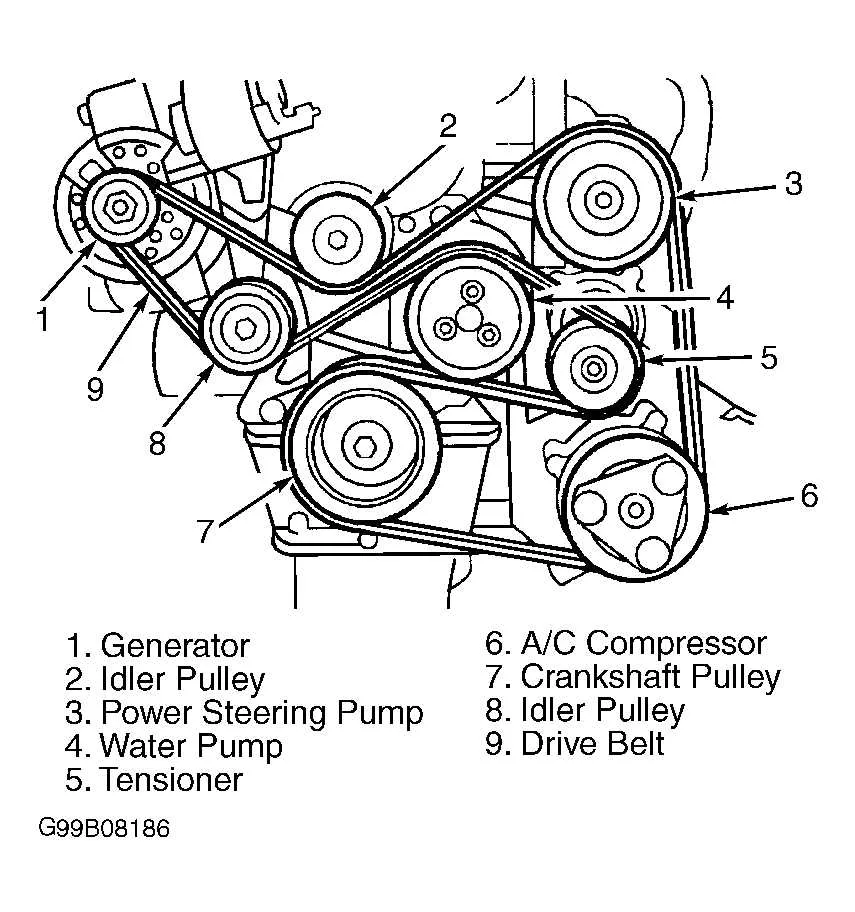
Check the routing of the serpentine belt on the Ford 6.0 Powerstroke before removing the old one. A clear diagram prevents mistakes that could lead to improper tension or accessory damage. The belt snakes around the alternator, water pump, power steering pump, air conditioning compressor, crankshaft pulley, and tensioner, so following the correct sequence is critical.
Always inspect the pulleys while replacing the belt. Worn bearings or misaligned pulleys shorten belt life and can cause squealing or slipping. Make sure each pulley spins freely without wobble and check the tensioner arm for smooth movement under spring pressure.
Keep a printed diagram or mark the routing with chalk on the fan shroud before removing the belt. This small step saves time during reinstallation. If the original diagram sticker under the hood is missing, having a reliable replacement diagram nearby ensures the belt sits correctly across all components.
Regular inspection of the belt and pulleys not only avoids breakdowns but also maintains proper operation of engine accessories. Replacing the belt at the recommended interval, usually around 60,000 to 100,000 miles, ensures consistent performance and prevents costly repairs caused by belt failure.
Ford 6.0 Belt Diagram
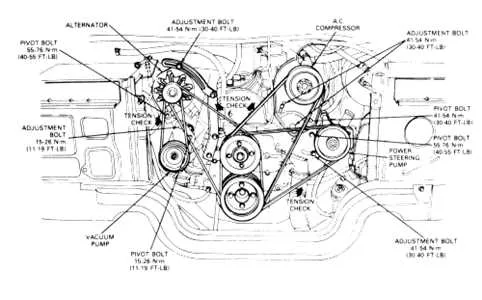
Check the routing from the crankshaft pulley first, since it drives every accessory. The belt moves upward to the fan pulley, then continues to the alternator, power steering pump, and wraps around the air conditioning compressor before returning to the tensioner. Following the diagram step by step prevents misalignment and reduces noise or premature wear.
Always verify the tensioner position on the 6.0 Powerstroke. A weak or stuck tensioner can cause belt slip under load. Replace it immediately if the spring action feels uneven. Keep the smooth pulleys separated from the ribbed ones in your diagram reference, because the belt must contact each surface correctly to avoid shredding.
Measure belt length with precision if installing a new one. The factory size for most 6.0 setups is around 101 inches, but variations exist depending on whether the truck has dual alternators. Match the new belt number with your engine’s configuration to prevent fitting issues.
Keep the diagram visible in your workspace during installation. Place it near the radiator support or print it out for quick reference. This saves time, especially in tight areas behind the fan shroud. Double-check every pulley path before starting the engine to confirm proper seating.
Step-by-Step Layout of the Serpentine Belt Routing
Place the belt around the crankshaft pulley first, as this pulley drives all other components. Keep the ribbed side aligned with the grooves and the smooth side against flat pulleys.
Next, route the belt over the water pump pulley, making sure it sits firmly in the grooves without slack. Then pull it across the alternator pulley, maintaining tension with your hand to prevent slipping.
Guide the belt under the power steering pump pulley and then wrap it around the air conditioning compressor pulley. Keep the belt straight to avoid uneven wear.
Pass the belt beneath the idler pulley, ensuring the smooth side runs over its surface. Then move it around the tensioner pulley last, since this allows you to apply pressure with a wrench and lock the belt into place securely.
Check that the belt sits evenly in every groove and rests flush on each pulley surface. Rotate the crankshaft by hand once to confirm proper alignment before starting the engine.
Identifying Pulleys and Components in the 6.0 Powerstroke System
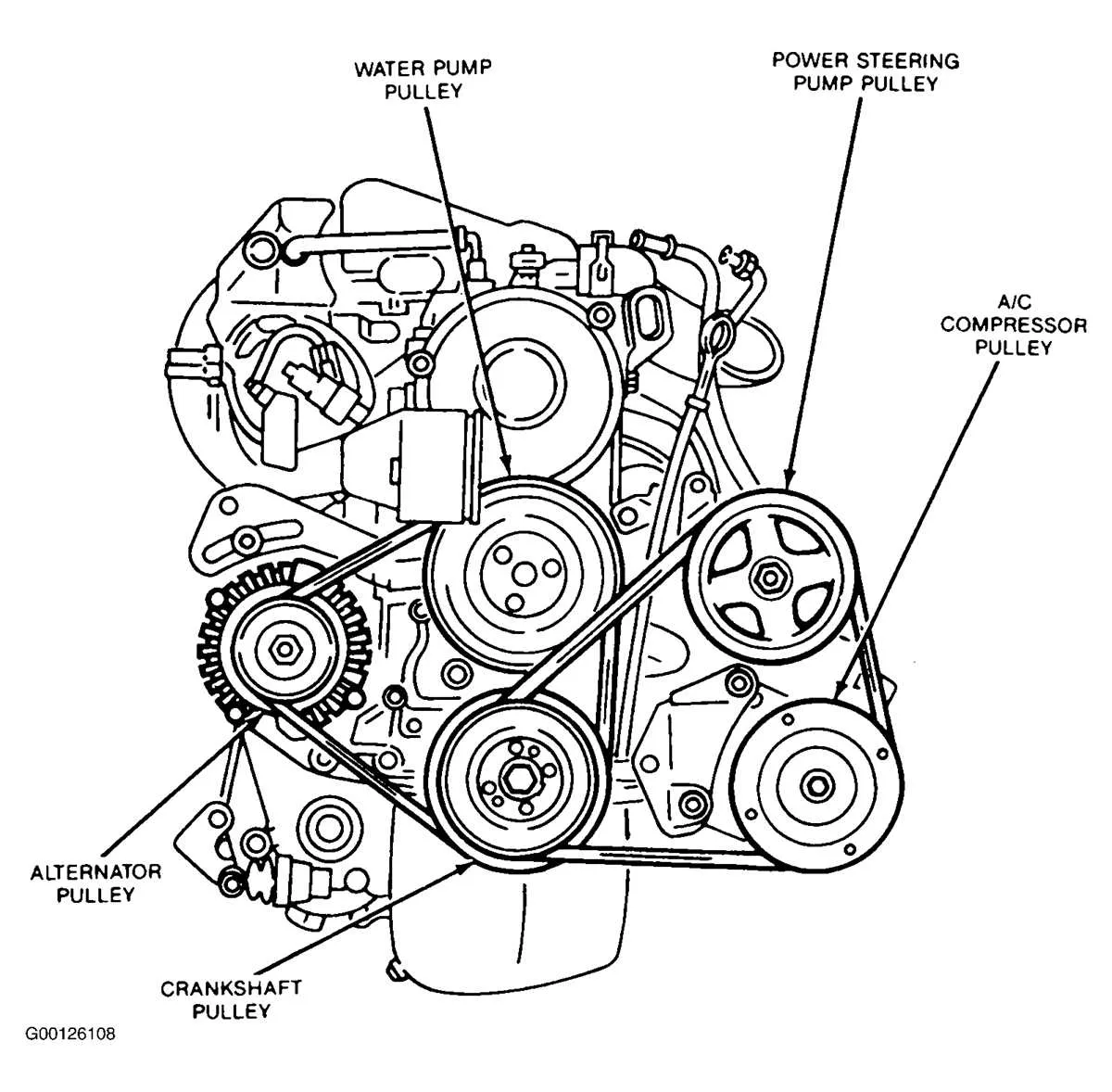
Check the belt path visually and locate each pulley before loosening any tension. This prevents mistakes during reassembly and helps track wear on individual parts.
- Crankshaft Pulley: The largest wheel at the bottom center. It drives the entire belt system and should spin smoothly without wobble.
- Alternator Pulley: Located at the top right. It supplies electrical power; inspect it for resistance or grinding noise.
- Power Steering Pump Pulley: On the driver’s side. It assists steering hydraulics; check for leaks around the pump housing.
- A/C Compressor Pulley: Positioned low on the passenger side. It engages only with the clutch; confirm the clutch gap is consistent.
- Idler Pulleys: These free-spinning wheels guide belt alignment. Any wobble or squeal signals bearing failure.
- Tensioner Pulley: Spring-loaded and usually near the alternator. Use a breaker bar on its arm to relieve tension when removing the belt.
- Water Pump Pulley: Center-mounted and connected to the cooling system. Look for signs of coolant residue around the shaft.
Mark each pulley during inspection with chalk or tape to avoid confusion. Rotate them by hand to feel for resistance, noise, or roughness, replacing any part that shows wear before reinstalling the belt.
Common Mistakes When Replacing the Belt and How to Avoid Them
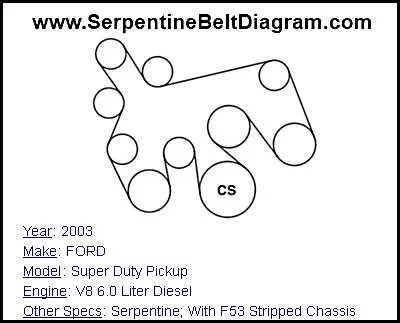
Check the routing diagram before removing the old belt, because guessing the path later often leads to misalignment and squealing noises. Keep a printed diagram or take a clear photo before loosening anything.
Do not reuse a worn tensioner or idler pulley. A new belt on old pulleys usually shortens its lifespan and causes uneven wear. Inspect bearings for noise or play and replace them together with the belt if needed.
Avoid overtightening bolts on the tensioner assembly. Use a torque wrench and follow factory specifications, since excess force may crack the bracket or distort alignment.
Keep the belt free of oil and coolant. Contaminants soften the rubber and reduce grip, which results in slipping under load. Wipe down pulleys with a clean cloth before installation.
Verify that the tensioner holds steady pressure once the belt is installed. If the indicator sits outside the normal range, the belt length may be incorrect or the tensioner defective.
| Mistake | Consequence | Prevention |
|---|---|---|
| Skipping the diagram check | Wrong belt routing, noise | Take a photo or use factory diagram |
| Reusing old pulleys | Premature wear, belt failure | Inspect and replace if noisy or loose |
| Overtightening tensioner bolts | Bracket damage, misalignment | Follow torque specs |
| Contamination with fluids | Slipping, reduced lifespan | Clean pulleys and keep belt dry |
| Ignoring tensioner indicator | Incorrect tension, performance loss | Check indicator range after installation |