Step by step guide to understanding the Hustler drive belt diagram and its components
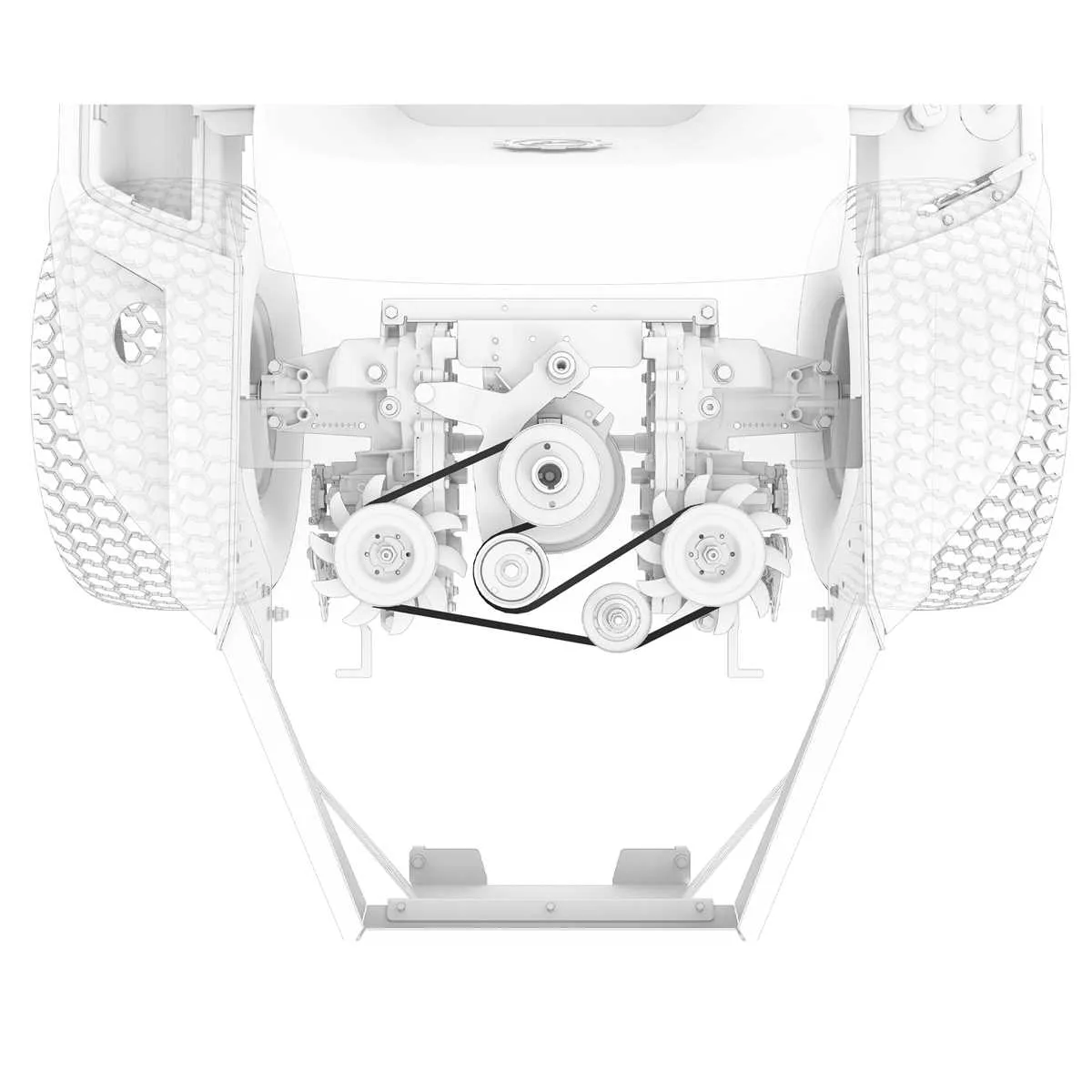
Locate the primary drive belt route immediately after lifting the mower deck. Identify the engine pulley, deck pulleys, and idler pulley to trace the exact path the belt follows. Keeping a clear view of each pulley prevents incorrect installation that could damage the deck or reduce cutting performance.
Mark the belt orientation before removal. Note whether the belt rides on top or beneath each pulley and whether any twists exist. Hustler models often use a serpentine layout that requires precise alignment to maintain proper tension and avoid slippage.
Consult the belt diagram for your specific Hustler model. Diagrams indicate the position of tension springs, idlers, and deck spindles. Comparing the diagram with your mower ensures that the belt loops correctly over each component and that the tensioner engages properly.
Check for wear and alignment while reinstalling the belt. Look for fraying, cracks, or glazing on the belt surface. Misaligned pulleys or worn components can accelerate belt failure. Replacing worn idlers and adjusting tensioners according to the diagram improves the mower’s reliability and cutting consistency.
Hustler Drive Belt Diagram
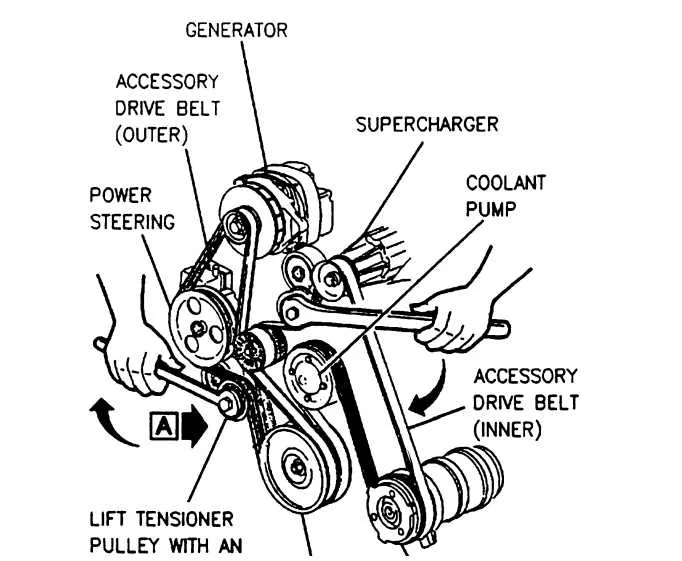
Refer to the diagram to identify each belt and its routing on Hustler mowers. Correct placement ensures smooth operation and prevents premature wear.
Follow these steps for precise installation:
- Locate the main drive pulley near the engine; this is the starting point for belt routing.
- Route the belt around the idler pulleys as shown in the diagram, ensuring each pulley groove aligns with the belt teeth.
- Pass the belt under the deck spindles to engage the mower blades, keeping tension consistent.
- Adjust the tensioner to remove slack, then verify the belt spins freely without slipping.
Key tips for maintenance:
- Inspect the belt for cracks or fraying before each mowing session.
- Replace belts that show signs of glazing or stretching to maintain cutting performance.
- Clean pulleys and remove debris to prevent belt misalignment.
- Lubricate pivot points on idlers for smoother rotation and longer belt life.
Using the diagram, identify belt sizes and part numbers accurately for replacements. Proper routing minimizes engine strain and maximizes cutting efficiency.
Identifying Each Belt and Pulley on Your Hustler Mower
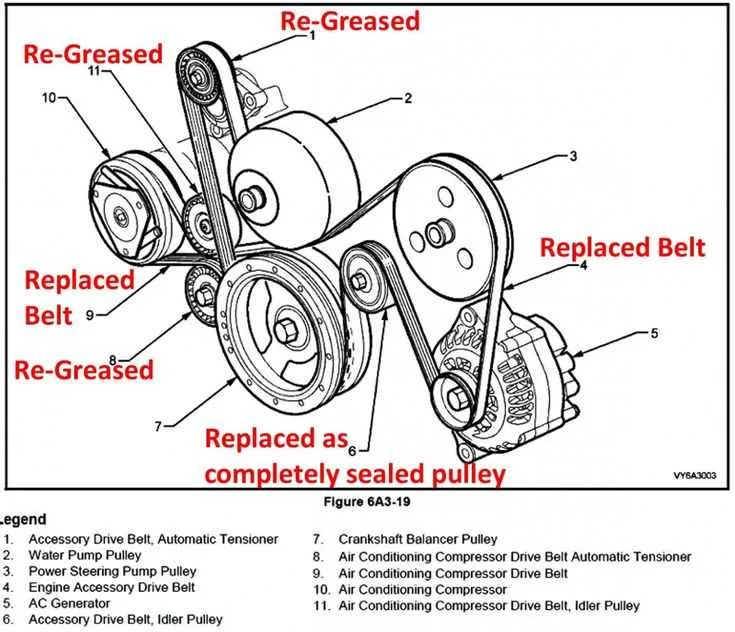
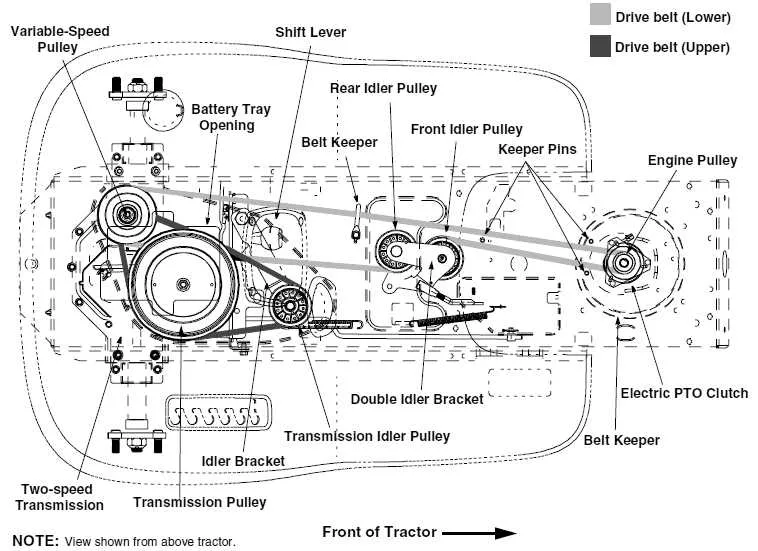
Locate the drive belt by lifting the mower deck to access the underside. The main drive belt runs from the engine pulley to the transmission pulley, connecting the power source directly to the wheels. Mark the path with chalk or tape for reference during removal.
The engine pulley sits at the front center, often with a slightly larger diameter than the other pulleys. Check for the stamped part number on the pulley hub to ensure you match it with replacement belts. The transmission pulley is mounted near the rear axle and engages directly with the main belt to transfer motion to the wheels.
Deck spindles feature smaller pulleys that guide the deck belt. These pulleys are typically spaced evenly across the mower deck. Measure their diameter and confirm alignment to prevent premature belt wear. Idler pulleys maintain tension; they are spring-loaded and positioned along the belt path, often above or beside the deck spindles. Verify tension by pressing down on the belt–proper tension allows slight deflection without slipping.
Label each pulley during inspection. Use a combination of numbers and letters to identify the engine, transmission, deck, and idler pulleys. This labeling simplifies reassembly and ensures the belt tracks correctly. Rotate each pulley manually to check for smooth movement and absence of wobble. Replace any pulley that shows rough rotation, cracking, or missing hardware.
Follow the belt routing diagram specific to your Hustler model. Compare the diagram to the physical layout to confirm every belt loop passes over the correct pulley. After installation, engage the deck and drive system slowly to observe proper tracking. Adjust idler pulleys if the belt drifts off any guide. Regularly inspect and clean pulleys to extend belt life and maintain consistent mower performance.
Step-by-Step Method to Replace or Reroute a Drive Belt
Loosen the engine clutch and remove the belt cover to expose the drive belt path. Inspect the current belt for cracks, fraying, or worn areas before removal. Use a wrench to relieve tension from the idler pulley, then carefully slide the belt off the pulleys. Avoid forcing the belt over pulleys to prevent damage.
Compare the new belt to the old one to confirm correct length and rib alignment. Position the belt around the smallest pulley first, then loop it over larger pulleys following the diagram provided in the Hustler manual. Ensure the ribs match the grooves on each pulley precisely.
Apply tension to the belt using the idler pulley, adjusting until the belt has firm contact without excessive slack. Rotate the engine by hand to confirm the belt moves smoothly across all pulleys without slipping. Double-check alignment against the diagram to prevent misrouting.
Reattach the belt cover securely, tighten the clutch components, and start the engine briefly to observe the belt under operation. Listen for unusual noises and watch for any shifting. Re-adjust tension if necessary to maintain consistent operation and avoid premature wear.
Troubleshooting Common Drive Belt Issues and Wear Patterns
Inspect the drive belt for cracks, fraying, or glazing along the ribs. Cracks across the belt indicate aging or excessive heat, while frayed edges suggest misaligned pulleys or worn tensioners. Replace belts showing these signs immediately to prevent slippage or breakage.
Check for uneven wear along the belt surface. A shiny center often signals a loose belt, while worn edges point to pulley misalignment. Adjust the tensioner to achieve proper alignment and maintain consistent contact with all pulleys.
Listen for high-pitched squeals during operation. This usually occurs when the belt slips under load. Inspect tensioner springs and pulleys for smooth rotation, debris, or corrosion. Lubricate or replace components to restore normal function.
Measure belt tension with a gauge if available. Over-tightening stresses bearings and shortens belt life, while under-tightening causes chatter and accelerated wear. Follow manufacturer torque specifications for optimal performance.
Rotate pulleys by hand to detect wobble or rough spots. Misaligned pulleys or damaged bearings often leave visible scoring on the belt ribs. Replacing worn pulleys restores smooth belt travel and prevents premature failure.
Document wear patterns before replacing a belt. Consistent monitoring helps identify recurring mechanical issues, such as tensioner fatigue or pulley misalignment, allowing targeted corrections instead of repeated belt replacement.