2008 Toyota Sienna Serpentine Belt Diagram and Pulley Layout Guide
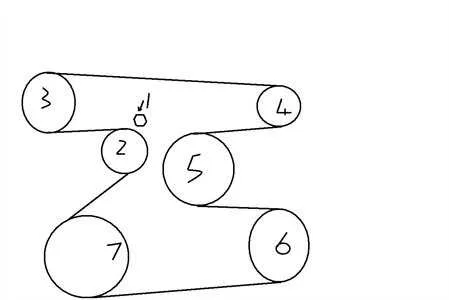
Check the belt routing diagram before replacing or inspecting the serpentine belt on a 2008 Toyota Sienna. The diagram clearly identifies the path over the alternator, power steering pump, air conditioning compressor, and crankshaft pulleys, ensuring correct installation and tension.
Use the diagram to locate the tensioner pulley and understand the correct direction for belt movement. Proper alignment prevents premature wear, reduces noise, and maintains optimal engine performance. For models with dual belts, confirm each belt’s specific routing to avoid cross-routing mistakes.
When removing the old belt, note the exact path shown in the diagram and inspect all pulleys for damage or misalignment. A small misalignment can lead to belt slippage or failure. Following the diagram also helps maintain correct tension without over-tightening, extending belt and accessory lifespan.
Keep a printed or digital copy of the 2008 Toyota Sienna belt diagram in the vehicle or workshop. This allows quick reference during routine maintenance or emergency repairs, reducing downtime and avoiding unnecessary trips to the mechanic.
2008 Toyota Sienna Belt Diagram Practical Guide
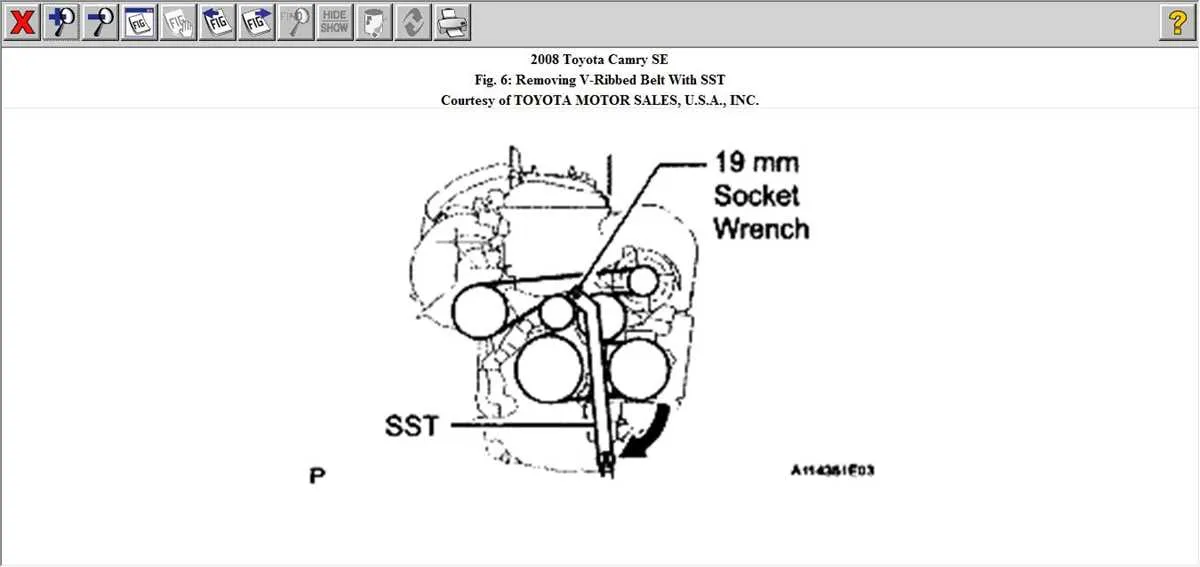
Locate the serpentine belt routing diagram on the engine cover or near the radiator; this visual reference ensures accurate placement of the belt. For the 2008 Sienna with a 3.5L V6 engine, the belt drives the alternator, power steering pump, water pump, and air conditioning compressor.
Release tension from the belt tensioner using a 14mm socket or wrench. Rotate the tensioner clockwise to create slack and carefully remove the old belt. Inspect all pulleys for wear or misalignment before installing a new belt.
Follow the diagram precisely: start by looping the belt around the crankshaft pulley, then route it over the alternator pulley, followed by the A/C compressor pulley, power steering pump pulley, and finally the idler pulleys. Ensure the belt sits fully in all pulley grooves without twisting.
After routing, release the tensioner slowly to apply proper tension. Rotate the crankshaft manually two full turns to verify the belt tracks correctly on every pulley. Listen for any rubbing or squeaking that could indicate misalignment or improper tension.
Regular inspection every 30,000 miles is recommended. Check for cracks, fraying, or glazing on the belt surface and replace it immediately if damage is found to prevent engine accessory failure.
Locate and Identify All Serpentine Belt Pulleys
Begin by positioning yourself in front of the 2008 Toyota Sienna engine with the hood open and the engine cool. Locate the main serpentine belt running across the front of the engine. Identify the crankshaft pulley at the bottom center; it drives all other pulleys and is the largest.
Next, find the alternator pulley, typically on the upper side of the engine, connected to the alternator. Check the tensioner pulley, which is spring-loaded and usually positioned near the middle of the belt path; it maintains proper belt tension and can be moved using a wrench or ratchet.
Locate the idler pulleys, which guide the belt around components and prevent slack. These are smaller, smooth pulleys positioned along the belt route and do not connect to any powered device. Note their placement relative to the water pump pulley, which is mounted centrally near the engine block and circulates coolant.
Finally, identify the power steering pump pulley and the air conditioning compressor pulley. The power steering pulley is often on the side closest to the front of the vehicle, while the A/C pulley is usually lower and connected to the compressor. Trace the belt along each pulley to ensure proper routing and alignment, confirming that each pulley spins freely without wobble or unusual noise.
Step-by-Step Serpentine Belt Replacement Instructions
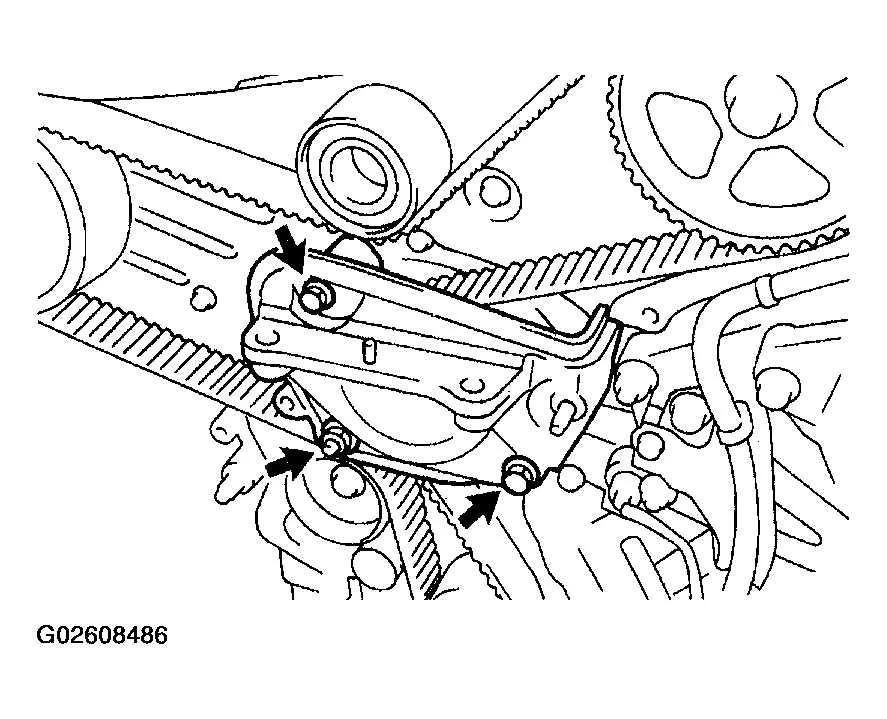
Begin by disconnecting the negative battery terminal to prevent accidental shorts. Locate the serpentine belt routing diagram, usually found on the radiator support or under the hood, and take a clear photo for reference.
- Release tension on the belt using a serpentine belt tool or a suitable wrench on the tensioner pulley. Turn the tensioner clockwise or counterclockwise depending on the model until the belt loosens.
- Slide the belt off the pulleys carefully, starting with the easiest accessible ones. Note any signs of wear such as cracks, fraying, or glazing while removing the old belt.
- Compare the new belt with the old one to ensure matching length and rib count. Verify that the belt matches the routing diagram exactly.
- Route the new belt around the pulleys following the diagram. Begin with the lower pulleys and work upward, leaving the tensioner pulley for last.
- Rotate the tensioner again to allow the belt to slip over the tensioner pulley. Release the tensioner slowly to apply pressure to the belt evenly.
- Check that the belt sits correctly in all pulley grooves without twisting. Spin each pulley by hand to confirm smooth movement and proper alignment.
- Reconnect the negative battery terminal and start the engine. Observe the belt while the engine runs for several seconds to ensure it tracks correctly and produces no unusual noise.
Inspect surrounding components such as the idler pulley and tensioner for wear. Replace any worn parts to maintain consistent belt tension and prevent premature failure.
Troubleshoot Common Belt Routing and Alignment Issues
Inspect the serpentine belt for signs of misalignment by checking each pulley’s position. A belt riding too far to the side of a pulley often indicates a worn or bent pulley, or a misaligned accessory.
Listen for unusual noises such as squealing or chirping. These sounds often point to tensioner weakness or pulley misalignment. Use a wrench to gently rotate the tensioner and ensure it moves smoothly without sticking.
Verify the belt follows the correct routing by comparing it with the 2008 Toyota Sienna belt diagram. Incorrect routing can overload certain components, leading to premature wear or slipping.
Check each pulley for wobble by spinning them by hand. Any lateral movement or rough rotation indicates bearing wear, which can cause belt tracking issues and vibration.
Inspect the belt tension. Too loose causes slippage, while too tight accelerates wear on both the belt and pulleys. Adjust the automatic tensioner until proper tension is achieved according to factory specifications.
Examine the belt for cracks, fraying, or glazing. Damaged belts fail to grip pulleys correctly, resulting in misalignment symptoms even if the pulleys themselves are properly aligned.
After adjustments, run the engine at idle and observe the belt. Ensure it stays centered on all pulleys, moves smoothly over tensioners, and maintains consistent tension. Repeat inspection if any deviation is observed.