2013 Kia Sorento serpentine belt routing diagram with pulley and tensioner layout
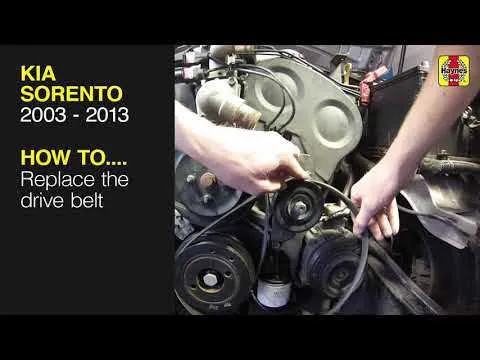
Replace the serpentine belt on a 2013 Kia Sorento by following the specific routing diagram for your engine type. For the 2.4L 4-cylinder engine, the belt wraps around the crankshaft pulley, alternator, water pump, idler pulley, and A/C compressor in a defined path. The 3.5L V6 version includes an additional tensioner and power steering pulley in the layout. Confirm your engine configuration before proceeding.
Use a 17mm wrench or serpentine belt tool to rotate the tensioner clockwise and relieve belt tension. While holding the tensioner, slide the belt off one pulley, then release the tensioner slowly. Take note of the routing or refer to the diagram located under the hood or in your owner’s manual. If the diagram is missing, download a factory service manual or use the verified layout below.
Inspect the pulleys for wear or wobble before installing the new belt. A properly routed belt sits flush in all grooves and follows the exact sequence. Misrouting can cause accessory failure or engine damage. Once installed, rotate the engine manually a few turns to ensure proper alignment and tension. Listen for squeals or misalignment after startup and adjust if necessary.
2013 Kia Sorento Serpentine Belt Diagram
Refer to the specific engine type before replacing the serpentine belt on a 2013 Kia Sorento. The 2.4L 4-cylinder and 3.5L V6 engines use different routing paths and pulley configurations. Always match the diagram to the correct engine.
For the 2.4L GDI engine: The belt routes from the crankshaft pulley up to the A/C compressor, loops around the water pump, then travels over the alternator, and finally wraps around the tensioner. The idler pulley helps maintain alignment. This layout includes six ribs and typically follows a clockwise rotation.
For the 3.5L V6 engine: The routing begins at the crankshaft pulley, goes over the A/C compressor, around the power steering pump, then to the alternator. The belt continues around two idler pulleys and finishes at the automatic tensioner. The V6 setup uses a longer belt and adds more components, so verify the path carefully before installation.
Use a 17mm socket to relieve tension and remove the old belt. Check pulley wear and alignment before installing a new one. When placing the belt, confirm it seats properly in all grooves. Misalignment or skipped ribs can lead to noise or premature failure.
Always consult the under-hood label if available. If missing, follow the routing diagram printed in the service manual for your specific engine model.
How to Locate the Serpentine Belt on a 2013 Kia Sorento
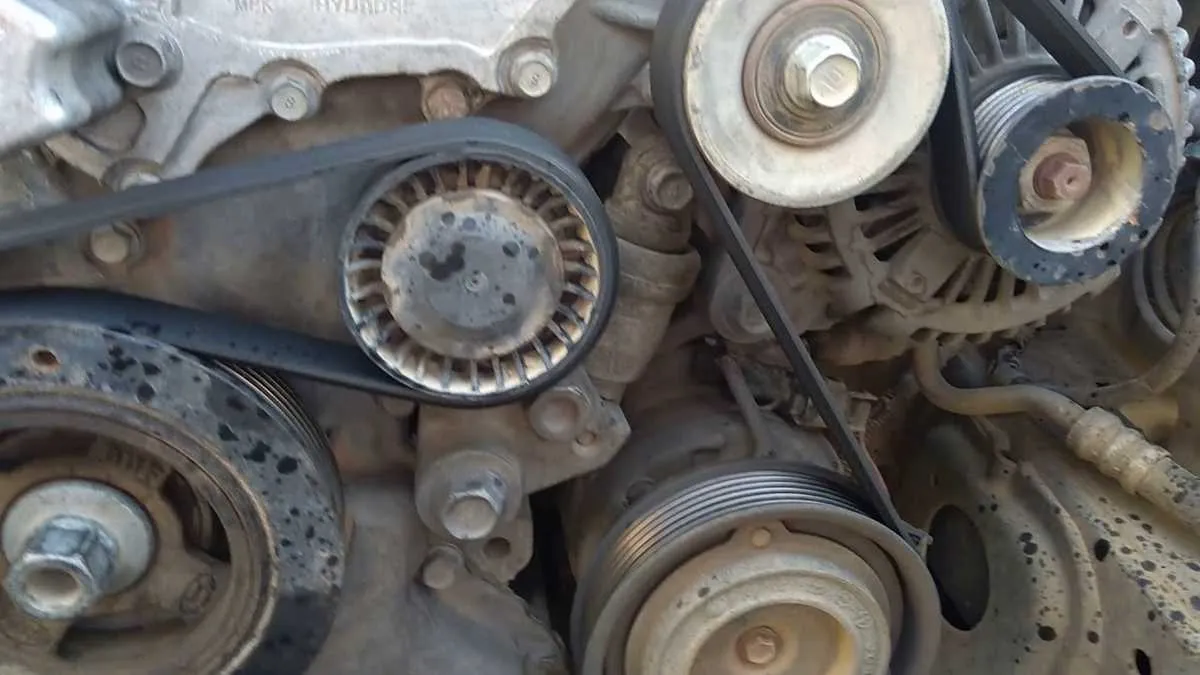
Open the hood and secure it with the prop rod. Stand in front of the engine bay, facing the engine directly. On most 2013 Kia Sorento models with a V6 engine, the serpentine belt is mounted on the passenger side of the engine block, near the front.
Look just below the alternator and above the crankshaft pulley. You’ll see the belt wrapping around several pulleys in a specific path. The belt itself is a long, continuous rubber loop with visible ribs on the inner side.
If the engine is a 4-cylinder, the serpentine belt sits on the driver’s side. Locate the power steering pump or alternator and trace the belt from there. The tensioner pulley is spring-loaded and typically near the center of the belt path – use it as a reference point when confirming the belt location.
For better visibility, remove the plastic engine cover by lifting it gently or unscrewing the mounting bolts. This exposes more of the belt system and helps in identifying each pulley the belt contacts, including the AC compressor, alternator, and idler pulleys.
Check the radiator support or underside of the hood for a factory-installed belt routing diagram. If it’s missing, refer to the owner’s manual for an accurate layout. Always inspect the belt’s condition before removal – cracking, fraying, or glazing indicates replacement is due.
Step-by-Step Guide to Removing and Replacing the Serpentine Belt on a 2013 Kia Sorento
Start by locating the serpentine belt routing diagram under the hood or in the owner’s manual to ensure proper installation later.
- Use a wrench or serpentine belt tool to rotate the tensioner pulley clockwise, releasing tension on the belt.
- While holding the tensioner, slide the belt off one of the pulleys, then slowly release the tensioner back to its resting position.
- Remove the belt completely by guiding it off the remaining pulleys, noting the path carefully if you don’t have the diagram nearby.
- Inspect all pulleys and the tensioner for wear or damage before installing the new belt.
- Position the new serpentine belt around the pulleys following the exact routing pattern from the diagram.
- Rotate the tensioner pulley again to create slack, then slip the belt over the final pulley.
- Release the tensioner slowly, allowing it to apply proper tension to the new belt.
- Double-check the belt sits securely in all pulley grooves and matches the routing diagram precisely.
- Start the engine and observe the belt in motion to confirm it operates smoothly without slipping or misalignment.
Use gloves to protect your hands and a flashlight for better visibility during this process. Avoid forcing the belt over pulleys to prevent damage.
Understanding Belt Routing for 2.4L vs 3.5L Engine Variants
The 2013 Kia Sorento’s serpentine belt routing differs significantly between the 2.4L and 3.5L engines, affecting maintenance and replacement procedures. For the 2.4L engine, the belt wraps around fewer pulleys–typically the crankshaft, alternator, water pump, and tensioner–forming a simpler path that requires less tension adjustment.
In contrast, the 3.5L V6 engine uses a more complex routing due to additional components like the power steering pump and air conditioning compressor. This belt follows a longer path with multiple bends, increasing the need for precise tensioner positioning during installation. The tensioner itself in the 3.5L model usually has a stronger spring mechanism to handle greater load demands.
When replacing the belt on the 2.4L variant, align the belt with the pulley grooves carefully, ensuring the tensioner pulley maintains proper pressure to prevent slippage. For the 3.5L engine, double-check the belt’s alignment on all accessory pulleys, especially around the power steering pump, to avoid premature wear.
Always refer to the specific routing diagram located under the hood or in the service manual for the exact belt path corresponding to your engine size. This approach minimizes errors and improves belt lifespan.